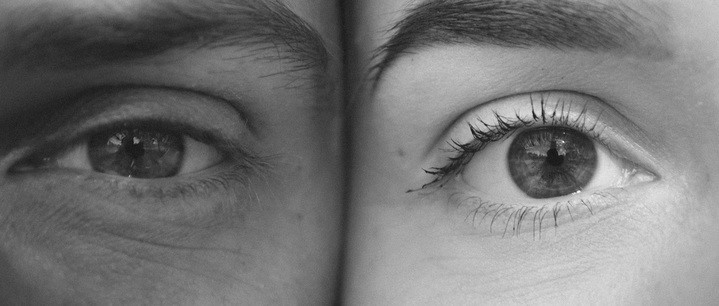
1 in 10 people have encountered a near-death experience
Peer reviewed by Natalie HealeyAuthored by Ashwin BhandariOriginally published 1 Jul 2019
Meets Patient’s editorial guidelines
- DownloadDownload
- Share
- Language
- Discussion
- Audio Version
- Add to preferred sources on Google
One in 10 people have had 'spiritual' and 'out of body encounters' known as near-death experiences (NDEs).
Researchers in Denmark, Germany and Norway found that 10% of over 1,000 people across 35 different countries had experienced 'supernatural' symptoms or near-death experiences (NDEs).
Some of these symptoms in people who experienced NDEs included hallucinations of angels singing, having their 'soul sucked out', and seeing their life flash before their eyes.
Whilst it was once thought that these symptoms would be most likely the result of a traumatic event in a person's life, the study showed that NDEs are equally as common in people who are not in imminent danger of death, in comparison to those who have gone through life or death situations.
73% reported the experience was unpleasant. However, out of 106 people who met the criteria for a 'true' NDE, based on a detailed questionnaire called the Greyson Near-Death Experience Scale, 53% said it was pleasant and just 14% said it was actually unpleasant.
The experiences greatly varied across the participants. One woman said that during her NDE in childbirth she felt like she "died and went to heaven".
Another participant ended up having a positive experience despite nearly drowning when they were eight years old: "I felt total peace. Twenty years later I can still remember how I felt. It was an amazing feeling."
Based on previous studies, researchers found a link between NDEs and REM sleep intrusion into waking up. REM (rapid eye movement) is a phase of the sleep cycle which causes vivid dreams, and where the brain is as active as when someone is awake. When REM intrudes into wakefulness, sleep paralysis can occur, as well as auditory and visual hallucinations.
The lead researcher, Dr Daniel Kondziella, consultant neurologist at University Of Copenhagen, said: "Our central finding is that we confirmed the association of near-death experiences with REM sleep intrusion. Although association is not causality, identifying the physiological mechanisms behind REM sleep intrusion into wakefulness might advance our understanding of near-death experiences."
The research was presented at the European Academy of Neurology (EAN) Congress.
Patient picks for Sleep and insomnia

Healthy living
Gene discovery may explain why some people cope on little sleep
A gene which is linked to feeling fully rested after just a few hours of sleep has been identified by researchers.
by Ashwin Bhandari

Healthy living
What binge-watching is really doing to your health
Almost all of us have probably been guilty of binge-watching our favourite show at some point. And with the rise of streaming services such as Netflix, it's becoming easier and easier to stay glued to screens for hours at a time - sometimes to the detriment of our health.
by Ross Davies
About the authorView full bio
Authored by

Ashwin Bhandari
Medical Writer
BA Journalism
About the reviewerView full bio

Natalie Healey
Freelance journalist
BSc (Hons) Biomedical Science
She is a London-based health journalist who has been writing about science and medicine for several years. She is the former head of editorial at Patient.
Article history
Article also available in English, German, Spanish, French, Italian, Portuguese, Hindi, Hebrew, Arabic, and Swedish.
1 Jul 2019 | Originally published
Authored by:
Ashwin BhandariPeer reviewed by
Natalie Healey
Join the conversation
Share your thoughts or experiences with others in our patient communities.

Ask, share, connect.
Browse discussions, ask questions, and share experiences across hundreds of health topics.

Feeling unwell?
Assess your symptoms online for free
Sign up to the Patient newsletter
Your weekly dose of clear, trustworthy health advice - written to help you feel informed, confident and in control.
By subscribing you accept our Privacy Policy. You can unsubscribe at any time. We never sell your data.