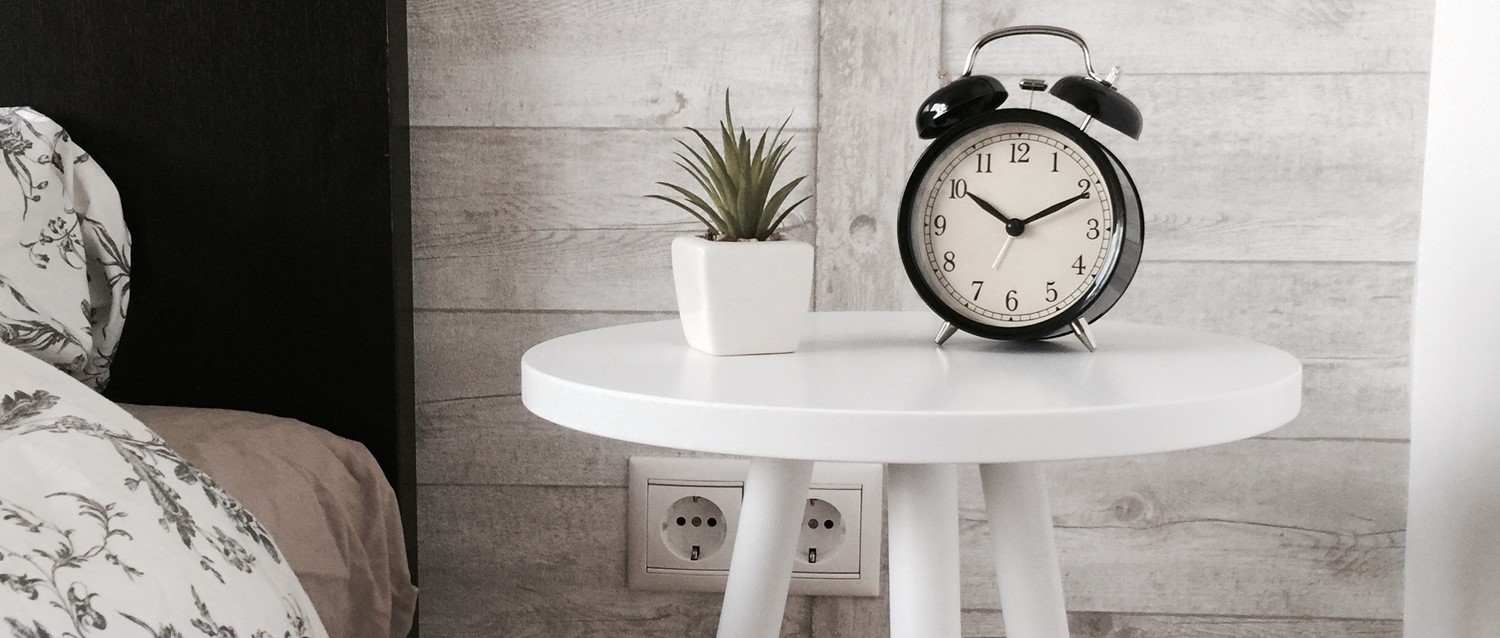
Gene discovery may explain why some people cope on little sleep
Peer reviewed by Natalie HealeyLast updated by Ashwin BhandariLast updated 30 Aug 2019
Meets Patient’s editorial guidelines
- DownloadDownload
- Share
- Language
- Discussion
- Audio Version
- Add to preferred sources on Google
A gene which is linked to feeling fully rested after just a few hours of sleep has been identified by researchers.
High-profile figures such as Donald Trump and Angela Merkel claim they require just four hours of sleep a day. Scientists may now have discovered why.
Experts at the University of California San Francisco had previously discovered a rare gene which promotes 'natural sleep', allowing individuals who sleep four hours a night to feel fully rested when waking up. A decade later, they have found a second gene which supports this evidence.
By observing a family with several members who need less sleep than average, the researchers identified another gene that they believe has a direct impact on how much someone sleeps.
People with the mutated ADRB1 gene, which has so far been found in more than 50 families, sleep for two hours less than the average person.
In 2009, Fu's team discovered that people who had inherited a particular mutation in a gene called DEC2 averaged only six and a half hours of sleep per night. Study participants lacking the mutation averaged eight hours.This finding was the first conclusive evidence that natural short sleep is, at least in some cases, genetic. Because this mutation is rare, however, it couldn't account for all of them.
"Before we identified the first short-sleep gene, people weren't thinking about sleep duration in genetic terms," said author Ying-Hui Fu. "Sleep can be difficult to study using the tools of human genetics because people use alarms, coffee and pills to alter their natural sleep cycles."
Fu led the research teams that discovered both short sleep genes, the newest of which is described in a paper published in the journal Neuron.
When scientists altered the ADRB1 gene in mice, they slept for 55 fewer minutes than regular mice - which suggests that this gene is related to not needing as much sleep.
Despite sleeping less, natural short sleepers don't suffer any of the adverse health effects associated with sleep deprivation.
"Today, most people are chronically sleep-deprived. If you need eight to nine hours, but only sleep seven, you're sleep-deprived," Fu said. "This has well-known, long-term health consequences. You're more likely to suffer from cardiovascular disease, cancer, dementia, metabolic problems and a weakened immune system."
Patient picks for Sleep and insomnia
Healthy living
What causes sleepwalking and how can you stop?
While sleepwalking can be something we joke about, it is a serious issue for many people. Sleepwalking can affect all aspects of someone's life, from their energy levels to their relationships. It is thought that sleepwalking is more common in children, but adults can and do suffer. However, sleepwalking can be managed.
by Emily Jane Bashforth
Healthy living
Why can't I sleep? 12 common causes and what to do
Struggling to fall asleep can be frustrating. Whether you're lying awake for hours, waking up repeatedly during the night, or finding yourself wide awake at 3 am, there are many possible reasons behind poor sleep. In some cases, lifestyle habits such as drinking too much caffeine or using your phone before bed may be to blame. In others, underlying health conditions or hormonal changes can affect your ability to get a good night's rest.
by Heather Ainsworth
About the authorView full bio

Ashwin Bhandari
Medical Writer
BA Journalism
About the reviewerView full bio

Natalie Healey
Freelance journalist
BSc (Hons) Biomedical Science
She is a London-based health journalist who has been writing about science and medicine for several years. She is the former head of editorial at Patient.
Article history
The information on this page is peer reviewed by qualified clinicians.
Article also available in English, German, Spanish, French, Italian, Portuguese, Hindi, Hebrew, Arabic, and Swedish.
30 Aug 2019 | Latest version
Join the conversation
Share your thoughts or experiences with others in our patient communities.

Ask, share, connect.
Browse discussions, ask questions, and share experiences across hundreds of health topics.

Feeling unwell?
Assess your symptoms online for free
Sign up to the Patient newsletter
Your weekly dose of clear, trustworthy health advice - written to help you feel informed, confident and in control.
By subscribing you accept our Privacy Policy. You can unsubscribe at any time. We never sell your data.
More in healthy living
- 5 ways to get more out of every step you take on the road to better health
- Does eating spicy food help you lose weight?
- Does stress cause weight gain?
- Good sleep matters: it isn't just about clocking hours
- Have a healthy, happy Father's Day
- HIIT for weight loss: how does it compare to traditional cardio?
- Honey may be the natural buzz you need to fuel your workouts
- How obesity affects joint health - and what you can do about it
- How poor posture impacts more than just your back
- How to become more flexible
- How to deal with stress through exercise
- How to look after your liver during freshers’ week
- How to talk to your child about their weight
- Smoking effects on skin: from ageing to illness
- Stay fit indoors: winter workout ideas you can do at home
- The best mindfulness apps, according to experts
- Tips for a healthier online life
- What are the dangers of drinking in hot weather?
- What is rucking and is it right for you?
- What to do if your weight is getting you down