phosphoglycerate dehydrogenase
Dernière mise à jour 18 Aug 2020
Respecte les directives éditoriales
- TéléchargerTélécharger
- Partager
- Language
- Discussion
- Ask Patient
- Version audio
- Ajouter aux sources préférées sur Google
La PHGDH gene provides instructions for making the parts (subunits) that make up the phosphoglycerate dehydrogenase enzyme. Four PHGDH subunits combine to form the enzyme. This enzyme is involved in the production (synthesis) of the protein building block (amino acid) serine. Specifically, the enzyme converts a substance called 3-phosphoglycerate to 3-phosphohydroxypyruvate in the first step in serine production. Serine is necessary for the development and function of the brain and spinal cord (central nervous system). Serine is a part of chemical messengers called neurotransmitters that transmit signals in the nervous system. Proteins that form cell membranes and the fatty layer of insulation (myelin) that surrounds many nerves also contain serine.
Sélections vidéo pour GènesBibliothèque vidéo
Normal function
La PHGDH gene provides instructions for making the parts (subunits) that make up the phosphoglycerate dehydrogenase enzyme. Four PHGDH subunits combine to form the enzyme. This enzyme is involved in the production (synthesis) of the protein building block (amino acid) serine. Specifically, the enzyme converts a substance called 3-phosphoglycerate to 3-phosphohydroxypyruvate in the first step in serine production. Serine is necessary for the development and function of the brain and spinal cord (central nervous system). Serine is a part of chemical messengers called neurotransmitters that transmit signals in the nervous system. Proteins that form cell membranes and the fatty layer of insulation (myelin) that surrounds many nerves also contain serine.
Serine can be obtained from the diet, but brain cells must produce their own serine because dietary serine cannot cross the protective barrier that allows only certain substances to pass between blood vessels and the brain (the blood-brain barrier).
Conditions referring to this gene or chromosome
Other names
3-PGDH
3-phosphoglycerate dehydrogenase
3PGDH
D-3-phosphoglycerate dehydrogenase
epididymis secretory protein Li 113
HEL-S-113
PDG
PGAD
PGD
PGDH
SERA
Related patient information and medicines

Patient information leaflet
Prévoir de devenir enceinte
There are information guides from the Health and Safety Executive (HSE) website. They also have an information... Duchenne muscular dystrophy Fragile X syndrome. Haemophilias A and B. Glucose-6-phosphate dehydrogenase deficiency. Other medical conditions Other conditions for which it is best to see a doctor before becoming pregnant include:.
Patient information leaflet
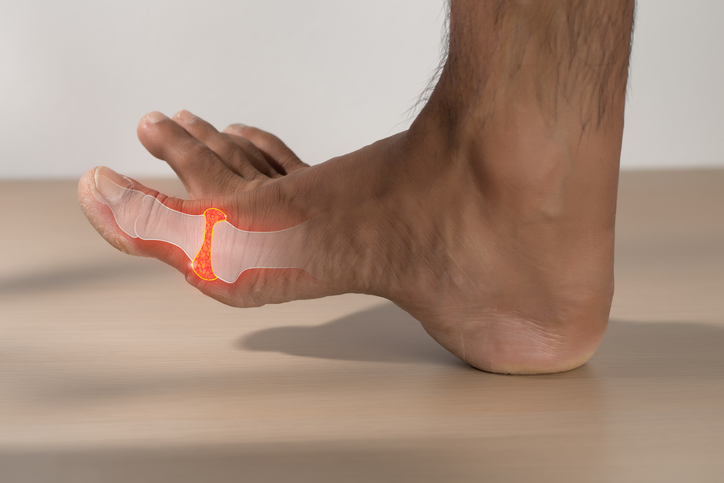
Goutte
What is gout? | Patient Explainers Gout causes attacks of pain and swelling in one or more joints. Find out more: [/health/gout-leaflet](https://patient.info/health/gout-leaflet) Follow Patient: Website: [/](https://patient.info/) Facebook: [https://www.facebook.com/patient](https://www.facebook.com/patient).

Patient information leaflet
Ictère
It is vital to diagnose the cause of jaundice and therefore important to always seek medical help. This increased amount of bilirubin then spills ... Conditions that cause an increased rate of breakdown of red blood cells include: Some genetic diseases, such as sickle cell anaemia Sickle cell disease , thalassaemia Thalassaemia , spherocytosis,.

Patient information leaflet
Cancer testiculaire
Cancer testiculaire est a cancer that arises from a testicle (testis). Around half of all cases occur in men aged under 35 but testicular cancer rarely occurs before puberty. Another useful test i... The tumour markers commonly tested for are alpha-fetoprotein (AFP), beta human chorionic gonadotrophin (beta-hCG), lactic dehydrogenase (LDH) and.

Patient information leaflet
Test de dépistage néonatal
Mothers of all newborn babies are offered testing for certain rare but serious health conditions by testing blood taken from the baby's heel. Medium-chain acyl-Co-A dehydrogenase deficiency (MCADD)- this is a very rare, but potentially life-threatening, inherited disorder, where fat cannot be broken down by the body as well as usual. Babies with.

Patient information leaflet
Puis-je prendre de la glucosamine et de la vitamine C ensemble ?
Kidney stones (oxalate) High doses of Vitamin C (typically over 1000mg daily) can increase the amount of oxalate in your urine, significantly raising the risk of developing kidney stones if you are prone to them. G6PD deficiency If you have glucose-6-phosphate dehydrogenase (G6PD) deficiency, high doses of vitamin C can cause your red blood cells.
Lectures complémentaires et références
- phosphoglycerate dehydrogenase; MedlinePlus, National Library of Medicine.
- de Koning TJ, Klomp LW. Serine-deficiency syndromes. Curr Opin Neurol. 2004 Apr;17(2):197-204. doi: 10.1097/00019052-200404000-00019.
- Fuchs SA, Dorland L, de Sain-van der Velden MG, Hendriks M, Klomp LW, Berger R, de Koning TJ. D-serine in the developing human central nervous system. Ann Neurol. 2006 Oct;60(4):476-80. doi: 10.1002/ana.20977.
- Tabatabaie L, de Koning TJ, Geboers AJ, van den Berg IE, Berger R, Klomp LW. Novel mutations in 3-phosphoglycerate dehydrogenase (PHGDH) are distributed throughout the protein and result in altered enzyme kinetics. Hum Mutat. 2009 May;30(5):749-56. doi: 10.1002/humu.20934.
Partagez vos pensées ou expériences avec les autres dans notre communautés de patients.
Accès simple à des traitements fiables et à des services de santé en ligne.
Common conditions
Get help with common conditions through the NHS, without a GP appointment.





Inscrivez-vous à la newsletter Patient
Votre dose hebdomadaire de conseils de santé clairs et fiables - rédigés pour vous aider à vous sentir informé, confiant et maître de la situation.
En vous abonnant, vous acceptez notre Politique de confidentialité. Vous pouvez vous désabonner à tout moment. Nous ne vendons jamais vos données.