What are the pros and cons of direct-to-consumer genetic testing?
Respecte les directives éditoriales
- TéléchargerTélécharger
- Partager
- Language
- Discussion
- Ask Patient
- Version audio
- Ajouter aux sources préférées sur Google
Direct-to-consumer genetic testing offers a way for you to learn about your genetic information without involving a doctor. Although there are potential benefits to direct-to-consumer genetic testing, the testing also has limitations. Here are some pros and cons to consider before undergoing direct-to-consumer genetic testing.
Sélections vidéo pour Understanding geneticsBibliothèque vidéo
Aperçu
Direct-to-consumer genetic testing offers a way for you to learn about your genetic information without involving a doctor. Although there are potential benefits to direct-to-consumer genetic testing, the testing also has limitations. Here are some pros and cons to consider before undergoing direct-to-consumer genetic testing.
Pros:
DNA samples are collected easily at home and can be mailed or shipped directly to the company.
Direct-to-consumer genetic testing can provide personalized information about disease risk, ancestry, and specific health traits.
Direct-to-consumer genetic testing does not require approval from a healthcare provider or a health insurance company.
Direct-to-consumer genetic testing may be less expensive than obtaining genetic testing through a healthcare provider.
The results are provided directly to you and are not placed in your medical record (unless you share the results with your healthcare provider).
Test results may encourage healthier lifestyle choices.
Cons:
Many health conditions and physical traits are caused by a combination of genetic, lifestyle, and environmental factors. Direct-to-consumer genetic testing companies only look at the genetic component.
Direct-to-consumer genetic testing companies may test for only a few of the many genetic variants that contribute to a specific disease or trait. Receiving results based on incomplete information can provide false reassurance.
Direct-to-consumer genetic testing generally cannot predict whether or not you will develop a particular disease with certainty.
There is currently limited oversight or regulation of direct-to-consumer genetic testing companies and the third-party services that offer to analyze and interpret your genetic information.
The results from direct-to-consumer genetic testing typically need to be confirmed with additional testing ordered through a healthcare professional.
Direct-to-consumer genetic testing companies may not provide healthcare professionals who can answer questions about your results.
Genetic privacy may be compromised if these companies sell or share your genetic information or if a database is hacked or breached. Similarly, if a direct-to-consumer genetic testing company changes ownership, goes out of business, or declares bankruptcy, your genetic information may be transferred or sold.
Direct-to-consumer genetic testing companies may be required to disclose genetic information to law enforcement officials.
Receiving unexpected information about your health, family relationships, or ancestry may be upsetting.
Because relatives share genetic information, your results may have implications for other members of your family.
The results of genetic testing may impact your ability to obtain life, disability, or long-term care insurance.
Assessing your overall health and your risk of developing specific health problems in the future can be complicated. Direct-to-consumer genetic testing provides some information about your health, but it does not provide a complete picture. It is important to understand what these tests can and cannot tell you before undergoing direct-to-consumer testing.
Related patient information and medicines

Patient information leaflet
Tests génétiques
Genetic testing is a type of medical test that identifies changes in chromosomes, genes or proteins. Genetic tests examine a person's DNA in a variety of ways to assess a person's genetic health. Genes are short sections of DNA and each chromosome contains hundreds to thousands of genes. Conseil génétique may include information about: The.

Patient information leaflet
dystrophie musculaire
If you or a family member have MD, you will usually be offered tests and specialist advice from a doctor who specialises in diagnosing genetic conditions (a geneticist). The sample is examined under the microscope and the muscle... Génétique analyse Génétique testing - this involves testing a person's DNA using a blood sample. Genetic testing can.

Patient information leaflet
Mucoviscidose
Cystic fibrosis is an inherited disease which mainly affects the lungs and pancreas but can involve other organs. Genetic test A genetic test can confirm the diagnosis Genetic testing. Some cells are either scra... If it is élevé puis a sweat test and genetic test peuvent be done to confirm the diagnosis. Genetic counselling for cystic fibrosis People.

Patient information leaflet
Maladie de Huntington
Huntington's disease is a genetically inherited condition that causes parts of the brain and nervous system to stop working properly over time. It is a slowly progressive condition that interferes with the movements of your body, thinking and judgement, and can lead to a change in your behaviour. The symptoms occur because of damage and death of.

Patient information leaflet
Thalassémie
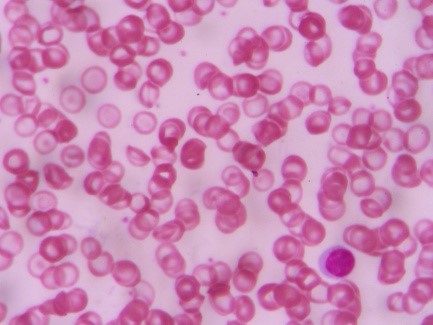
For the more severe forms of thalassaemia, modern treatment gives a good outlook, but lifelong monitoring and treatment are needed. Haemoglobin is located in cells called red blood cells which are part of the blood. The main parts are called alpha chains and beta chains which are put together to make the haemoglobin molecule. In thalassaemia, part.
Patient information leaflet
Drépanocytose
Sickle cell disease (SCD) is a serious, inherited condition affecting the blood and various organs in the body. It affects the red blood cells, causing episodes of 'sickling', which produce episodes of pain and other symptoms. In bet... This can diagnose most cases of sickle cell trait and sickle cell disease (SCD). Sometimes, the result is.
Lectures complémentaires et références
- What are the pros and cons of direct-to-consumer genetic testing?; MedlinePlus, National Library of Medicine.
Partagez vos pensées ou expériences avec les autres dans notre communautés de patients.
Accès simple à des traitements fiables et à des services de santé en ligne.
Common conditions
Get help with common conditions through the NHS, without a GP appointment.





Inscrivez-vous à la newsletter Patient
Votre dose hebdomadaire de conseils de santé clairs et fiables - rédigés pour vous aider à vous sentir informé, confiant et maître de la situation.
En vous abonnant, vous acceptez notre Politique de confidentialité. Vous pouvez vous désabonner à tout moment. Nous ne vendons jamais vos données.