Is hair color determined by genetics?
Respecte les directives éditoriales
- TéléchargerTélécharger
- Partager
- Language
- Discussion
- Ask Patient
- Version audio
- Ajouter aux sources préférées sur Google
Hair colour is determined by the amount of a pigment called melanin in hair. An abundance of one type of melanin, called eumelanin, gives people black or brown hair. An abundance of another pigment, called pheomelanin, gives people red hair.
Sélections vidéo pour Understanding geneticsBibliothèque vidéo
Aperçu
Hair colour is determined by the amount of a pigment called melanin in hair. An abundance of one type of melanin, called eumelanin, gives people black or brown hair. An abundance of another pigment, called pheomelanin, gives people red hair.
The type and amount of melanin determines hair colour
Hair colour
Type and amount of melanin
Black
Large amount of eumelanin
Brown
Moderate amount of eumelanin
Blond
Very little eumelanin
Rouge
Mostly pheomelanin with a little eumelanin
The type and amount of melanin in hair is determined by many genes, although little is known about most of them. The best-studied hair-colour gene in humans is called MC1R. This gene provides instructions for making a protein called the melanocortin 1 receptor, which is involved in the pathway that produces melanin. The melanocortin 1 receptor controls which type of melanin is produced by melanocytes. When the receptor is turned on (activated), it triggers a series of chemical reactions inside melanocytes that stimulate these cells to make eumelanin. If the receptor is not activated or is blocked, melanocytes make pheomelanin instead of eumelanin. Many other genes also help to regulate this process. Most people have two functioning copies of the MC1R gene, one inherited from each parent. These individuals have black or brown hair, because of the high amount of eumelanin. It is estimated that more than 90 percent of people in the world have brown or black hair.
Some people have variations in one copy of the MC1R gene in each cell that causes the gene to be turned off (deactivated). This type of genetic change is described as loss-of-function. For these individuals, eumelanin production is lower, while pheomelanin production is higher, so they have strawberry blond, auburn, or red hair. In an even smaller percentage of people, both copies of the MC1R gene in each cell have loss-of-function changes, and the melanin-production pathway produces only the pheomelanin pigment. The hair of these individuals is almost always very red. Even when the melanin-production pathway is making eumelanin, changes in other genes can reduce the amount of eumelanin produced. These changes lead to blond hair.
Hair colour ranges across a wide spectrum of hues, from flaxen blond to coal black. Many genes other than MC1R play a role in determining shades of hair colour by controlling levels of eumelanin and pheomelanin. Some of these genes, including ASIP, DTNBP1, GPR143, HPS3, KITLG, MLPH, MYO5A, MYO7A, OCA2, SLC45A2, SLC24A5, TYRP1, TYR, ERCC6, GNAS, HERC2, IRF4, OBSCN, SLC24A4, TPCN2, and MITF, are involved in the production of melanin in hair. Some of these genes are associated with gene transcription (which is the first step in protein production), DNA repair, the transport of substances (such as calcium) across cell membranes, or the structure of hair follicles. Several of these genes contribute to eye and skin colour, but the exact role they play in determining hair colour is unknown.
Hair colour may change over time. Particularly in people of European descent, light hair colour may darken as individuals grow older. For example, blond-haired children often have darker hair by the time they are teenagers. Researchers speculate that certain hair-pigment proteins are activated as children grow older, perhaps in response to hormonal changes that occur near puberty. Almost everyone’s hair will begin to turn gray as they age, although when it happens and to what extent is variable. Gray hair is partly hereditary and may vary by ethnic origin; it is also somewhat dependent on external factors such as stress. Hair becomes gray when the hair follicle loses its ability to make melanin, but exactly why that occurs is not clear.
Related patient information and medicines

Patient information leaflet
Tests génétiques
Genetic testing is a type of medical test that identifies changes in chromosomes, genes or proteins. Genetic tests examine a person's DNA in a variety of ways to assess a person's genetic health. It is made up of a sequence (or piece) of DNA and sits at a particular place on a chromosome. So, a gene is a small section of a chromosome. For example,.

Patient information leaflet
Albinisme
Albinism is a rare inherited (genetic) condition which reduces the amount of of melanin pigment in the skin, hair and/or eyes. Albinism is an inherited condition that leads to someone having very light skin, hair, and eyes. This can detect OCA type 1A but does n... The most accurate test is a genetic test Genetic testing. The test is useful only.

Patient information leaflet
Hémophilie
Haemophilia is a rare bleeding disorder that affects your ability to make a clot. A gene is the basic unit of your genetic material. It is made up of a sequence (or piece) of DNA and sits at a particular place on a chromosome. So, a gene is a small section of a chromosome. Each gene controls a particular feature or has a particular function in.
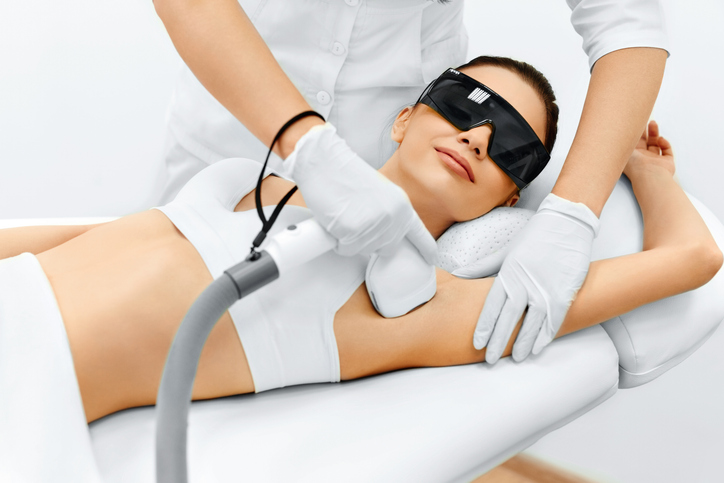
Patient information leaflet
Épilation au laser
This leaflet is provided by the British Association of Aesthetic Plastic Surgeons , the professional body responsible for the advancement of education and safety in aesthetic plastic surgery. Unwanted hair is a significant problem for transsexuals and transvestites, and many males with hair on their back dis... Hair biology Hair biology Hair.

Patient information leaflet
Problèmes oculaires
This leaflet contains a list of conditions which affect the eye, grouped together by the part of the eye which is affected or involved. Eye surface conditions: conjunctiva, cornea and sclera The conjunctiva is the clear, front part of the eye overlying the white of your eye and the underside of the eyelids. Thyroid eye disease Albinism Albini....
Patient information leaflet
Cancer de la peau mélanome
Melanoma (also called malignant melanoma) is the most serious type of skin cancer. It affects young adults as well as older people. Su... (The damage to the skin can occur many years before a cancer actually develops.). For these people, the melanoma has developed because of a genetic mutation: this is beyond their control and there is nothing.
Lectures complémentaires et références
- Is hair color determined by genetics?; MedlinePlus, National Library of Medicine.
- Manga P, Loftus S. Genetics of Skin, Hair, and Eye Color in Human Pigmentation Disorders. Ann Hum Genet. 2025 Jul 3:e70003. doi: 10.1111/ahg.70003. Epub ahead of print. PMID: 40605698.
- Morgan MD, Pairo-Castineira E, Rawlik K, Canela-Xandri O, Rees J, Sims D, Tenesa A, Jackson IJ. Genome-wide study of hair colour in UK Biobank explains most of the SNP heritability. Nat Commun. 2018 Dec 10;9(1):5271. doi: 10.1038/s41467-018-07691-z. PMID: 30531825. Free full-text available from PubMed Central: PMC6288091.
- Pavan WJ, Sturm RA. The Genetics of Human Skin and Hair Pigmentation. Annu Rev Genomics Hum Genet. 2019 Aug 31;20:41-72. doi: 10.1146/annurev-genom-083118-015230. Epub 2019 May 17. PMID: 31100995.
- Siewierska-Górska A, Sitek A, Żądzińska E, Bartosz G, Strapagiel D. Association of five SNPs with human hair colour in the Polish population. Homo. 2017 Mar;68(2):134-144. doi: 10.1016/j.jchb.2017.02.002. Epub 2017 Feb 4. PubMed: 28242083.
Partagez vos pensées ou expériences avec les autres dans notre communautés de patients.
Accès simple à des traitements fiables et à des services de santé en ligne.
Common conditions
Get help with common conditions through the NHS, without a GP appointment.





Inscrivez-vous à la newsletter Patient
Votre dose hebdomadaire de conseils de santé clairs et fiables - rédigés pour vous aider à vous sentir informé, confiant et maître de la situation.
En vous abonnant, vous acceptez notre Politique de confidentialité. Vous pouvez vous désabonner à tout moment. Nous ne vendons jamais vos données.