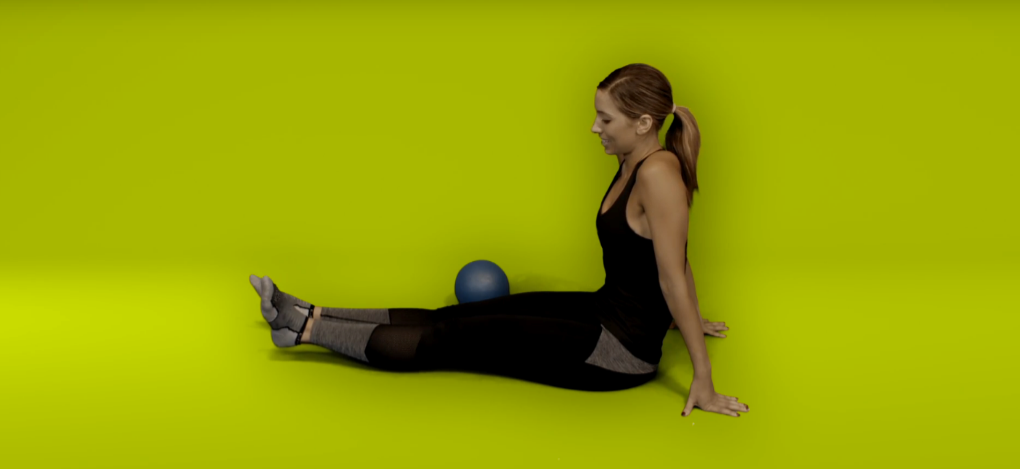
Video: Knee replacement recovery exercises
Peer reviewed by Dr Sarah JarvisLast updated by Lilly Sabri, MHPCLast updated 15 Dec 2017
Meets Patient’s editorial guidelines
- DownloadDownload
- Share
- Language
- Discussion
- Audio Version
- Add to preferred sources on Google
There are different types of knee replacement surgery depending on the injury, the severity of the injury and the surgeon performing the procedure. This leaflet is to be used only as a guideline once you have discussed and confirmed with your surgeon and medical team that the exercises below are appropriate for you following your surgery.
The following exercises are recommended to help reduce swelling and pain, increase range of movement, strengthen the muscles around the knee joint and prevent future problems.
Playlist: Knee Replacement Recovery Exercises
3 videos
Knee Replacement - Outer Glutes Strengthening
Lilly Sabri, MHPC
Knee Replacement - Outer Glutes Strengthening
Lilly Sabri, MHPC
Knee Replacement - Inner Range Quads
Lilly Sabri, MHPC
Knee Replacement - Inner Thigh and Glute Strengthening
Lilly Sabri, MHPC
Range of movement exercises
Please remember that these exercises can only be completed once cleared with your surgeon and medical team
Knee flexion/extension sitting on the floor
Sitting with your legs straight out in front of you, support your back if necessary.
Place a plastic bag under the heel and slide it towards your bottom, using your hands or a band around the foot for support if necessary.
Slowly and controlled, straighten leg back out to the starting position.
Repeat 10 times on each affected knee, twice daily.
Knee flexion/extension sitting
An alternative to the previous exercise, should you struggle getting on and off the floor.
Sit upright in your chair with both feet planted on the floor.
Start by straightening the operated knee out as far as possible and in a slow controlled movement bend it back down and as far under the chair as possible.
You can use the non-operative leg to aid this further by hooking the ankles and assisting the foot further under the chair.
Repeat this movement 10 times on each affected leg, twice daily.
Stretches for the muscles of the knee joint
Please remember that these exercises can only be completed once cleared with your surgeon and medical team
Quad stretch
Stand with your hands supported on the back of a chair.
Bend one knee and bring your foot towards your bottom.
Hook your hand around your ankle and pull the ankle closer towards the bottom to feel a stretch in the thigh muscle at the front of the leg.
Be sure to keep the knees touching.
Hold the stretch for 20 seconds; repeat three times on each side, twice daily.
To simplify, either hold on to your trouser legs or place a towel or band around the ankle. This can also be completed lying on your side with the operated leg up.
Hamstring stretch
Sit upright in a chair with both knees bent.
Bring your bottom towards the front of the chair.
Straighten the operated leg as much as possible and flex your foot - toes to the sky.
Take your body weight forward.
Strengthening for the knee muscles
Please remember that these exercises can only be completed once cleared with your surgeon and medical team
Isometric quads
This a simple but very effective exercise for people with very weak quads (particularly after surgery).
Sitting on the floor, support your back and position your legs straight in front of you.
Start by pushing one knee down into the ground, feeling the quad (thigh) muscle activate.
Hold for 10 seconds and repeat 10 times on each leg, twice daily.
Inner range quads
Start sitting on the floor; support your back and position your legs straight in front of you.
Place a rolled-up hand towel underneath one knee.
Point your foot to the ceiling before pushing your knee down into the towel. You should feel your heel lift off the floor.
Hold for 10 seconds and repeat 10 times on each leg, twice daily.
Straight leg raise
A progression from the exercises above.
Sitting on the floor, support your back and position your legs straight in front of you.
Turn your foot outwards; push your knee down into the floor before lifting your leg off the ground 4-6 inches.
Hold for five seconds and repeat 10 times on each leg, twice daily.
Sit to stand
Start sitting on a chair.
Without using your hands for support, stand up from the chair and then sit back down again in a slow and controlled movement.
Complete this exercise 20 times.
As you improve, increase the number of repetitions gradually up to 50; you can also try this exercise from a lower chair.
Wall squat
Stand with your back to the wall.
Place your feet shoulder distance apart and away from the wall.
Slowly slide your hands down the wall as you lower your body into a squat position.
Do not allow the knees to buckle in, by keeping the knees directly over the middle toes.
Hold for 10 seconds and repeat 10 times, twice daily.
If you do not have access to a wall, you can complete a standing squat, ensuring your knees stay in line with your middle toes, your weight is distributed back through your heels and your chest remains proud and open. If you get an increase in knee pain, you should stop and seek professional advice.
Adductor (inner thigh muscle)
Sitting on a chair with your back supported.
Place a small soft ball or pillow in between the knees.
Engage your stomach muscles; squeeze the ball in between your inner thighs.
Hold for 10 seconds; repeat 10 times, twice daily.
Static glutes
Sitting on a chair with your back supported.
Clench your bottom muscles together and hold for 10 seconds; repeat 10 times, twice daily.
Patient picks for Knee health

Bones, joints and muscles
Video: Knee pain exercises
These exercises are recommended to help reduce pain, increase range of movement and strengthen the knee joint muscles and prevent future problems.
by Lilly Sabri, MHPC

Bones, joints and muscles
Knee pain that won’t go away: When is it time to get a scan?
Knee pain is very common, but it isn’t always easy to pinpoint what’s causing your symptoms. Pain in the knee can start as a low-grade ache that gradually gets worse, or suddenly after an injury and doesn’t go away. Many people live with persistent knee pain for months or years, taking painkillers or resting their leg when necessary. But long-term knee pain can interfere with your quality of life and ability to work, and affect your participation and enjoyment in sports and leisure activities. Persistent knee pain, or pain that doesn’t improve, may require further investigation. Having a scan will provide clarity on what’s causing your symptoms and what treatment options might be available to you. But it’s sometimes difficult to know when to get a scan and which type to choose. Scan.com helps make it more straightforward.
by Scan.com
About the authorView full bio

Lilly Sabri, MHPC
Physiotherapist, Personal Trainer
BSc Physiotherapy, MCSP, MHPC, MAACP, MACSPM
Lilly Sabri is a chartered Physiotherapist, APPI pilates instructor, fitness, health and lifestyle influencer and founder of #LeanWithLilly.
About the reviewerView full bio

Dr Sarah Jarvis
Clinical Consultant
MA (Cantab), BM, BCh (Oxon), DRCOG, FRCGP, MBE
After training in medicine at Cambridge and Oxford, Dr Sarah Jarvis MBE became a GP.
Article history
The information on this page is peer reviewed by qualified clinicians.
Article also available in English, German, Spanish, French, Italian, Portuguese, Hindi, Hebrew, Arabic, and Swedish.
15 Dec 2017 | Latest version
Join the conversation
Share your thoughts or experiences with others in our patient communities.

Ask, share, connect.
Browse discussions, ask questions, and share experiences across hundreds of health topics.

Feeling unwell?
Assess your symptoms online for free
Sign up to the Patient newsletter
Your weekly dose of clear, trustworthy health advice - written to help you feel informed, confident and in control.
By subscribing you accept our Privacy Policy. You can unsubscribe at any time. We never sell your data.
More in bones, joints and muscles
- Back pain and exercises videos
- Beyond the burn: decoding the HYROX hype
- Do you need physiotherapy after joint replacement?
- Gout diet: foods to eat and avoid
- How to protect your joints as you get older
- How to treat neck pain
- Is cracking your joints dangerous?
- Knee health: how to prevent knee injuries
- Supermarket shopping for foods to help stiff and painful joints
- The best exercises to try if you have arthritis
- The best resistance band workouts to build muscle
- Treatment and remedies for frozen shoulder
- Video: Back pain exercises
- What are the best exercises for osteoporosis?
- What foods are good for arthritis?
- What is sarcopenia?
- What it's like to be a young person with arthritis
- What it's really like to live with gout
- What's the difference between osteoarthritis and rheumatoid arthritis?