How to manage the visible side effects of cancer treatment
Peer reviewed by Dr Sarah JarvisAuthored by Milly EvansOriginally published 25 Jun 2019
Meets Patient’s editorial guidelines
- DownloadDownload
- Share
- Language
- Discussion
- Audio Version
- Add to preferred sources on Google
Cancer and cancer treatment not only have an impact on your physical well-being but also change your appearance and skin. Some are able to embrace these changes whilst others can struggle with confidence and feeling themselves.
Lost identity
For Anita Brown, 46, who is living with incurable bladder cancer, the visible symptoms of cancer heighten the impact of dealing with treatment.
"Going through treatment is hard enough, but on top of that you have to deal with the fact that your body completely changes too. I remember seeing my reflection and thinking I looked just like a boiled egg. My skin was pale and I had no hair or eyebrows. I didn't recognise the person in the mirror and it felt like I'd lost my identity."
Spending time on her appearance was a big part of regaining self-confidence, says Brown. "For me personally, putting on make-up and knowing I look good gives me a boost and helps how I feel about myself.”
Anita's experience is not uncommon for people living with cancer explains Dany Bell, treatment and recovery specialist advisor at Macmillan Cancer Support. "A cancer diagnosis affects so much more than just your health. The physical side effects of treatment, such as hair loss, changes to your weight, and scarring, can also affect how you think and feel about your body."
Find support
Bell encourages people going through cancer to talk about how they're feeling. "While these feelings are common for many people living with cancer, acknowledging them and seeking support are really important. You may want to share your worries with someone you trust, such as a family member or close friend."
There is also professional support available to those who need it, as well as specialist beauty care to help you regain confidence, says Bell. "You can call Macmillan's free support line, or share your story with others going through a similar experience on our online community. If you're affected by visible side effects and would like practical tips and advice, Boots Macmillan Beauty Advisors are specially trained to help you feel more like you again."
Top tips
There are plenty of things that you can do to help you feel more like yourself during or after cancer treatment, explains Boots Macmillan Beauty Advisor Natasha Shann.
Eyebrows
Some cancer treatments can cause body hair, including eyebrows, to fall out, thin or change. Shann suggests using beauty products like eyebrow pencils and powders to fill in hair.
"Eyebrow pencils can be a great tool and surprisingly easy to use. However, some pencils can be hard in texture allowing fragile hair to be pulled away from the skin, which results in more hair falling out. When choosing your brow pencil, look for softer, finer pencil that will glide over the hair and skin. The thinner they are the better as you can draw individual hairs allowing you to fill in the gaps or draw a full-looking brow.
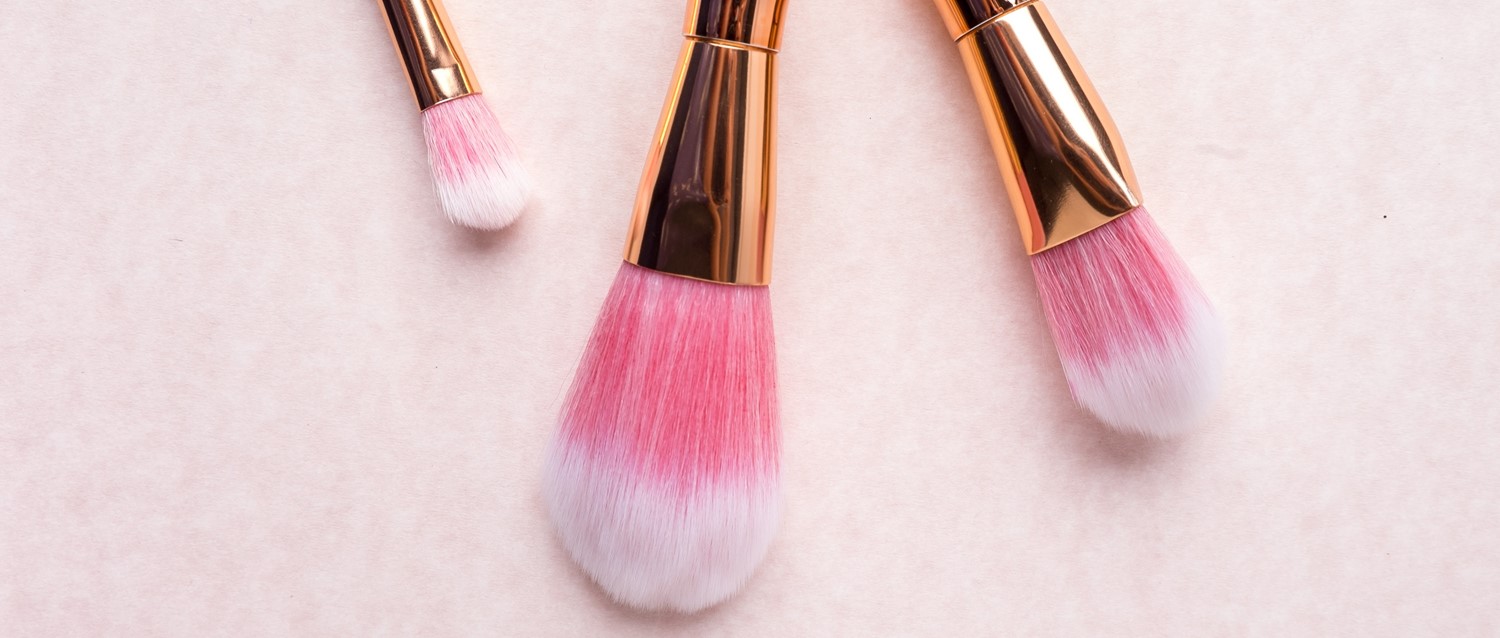
"Eyebrow powders and wax are great for hair regrowth or hair that is falling out. They are very soft and natural. Using them with an angled brow brush allows you to be precise and can create the look of natural hair. For existing hair that has thinned, try brow gels with fibres in them, which can help build thickness and length."
Eyelashes
Eyelashes may also fall out or thin during cancer treatment and it's important to prevent further damage to lashes, explains Shann. "Avoid eyelash curlers, try not to rub your eyes, and remove eye make-up by gently wiping with a cotton pad to avoid unnecessary pulling. All of this can cause your lashes to fall out quicker."
If your lashes have fallen out or thinned, there are things you can do. "You can use false eyelashes but check with your nurse whether the glue is likely to irritate your skin." Alternatively: "A soft eyeliner and smudger can help create the illusion of eyelashes," says Shann.
Nails
Some treatments for cancer can cause brittle or discoloured nails and make them grow more slowly. Shann recommends using nail varnish to combat the effects: If your nails are weak and brittle, applying one coat of clear nail varnish every day for seven days then removing it and starting the process again will help the nails to strengthen over time. Using almond oil on the cuticles every day can also help the growth and strength of the nails."
If you are concerned about discolouration, coloured nail varnish can hide it. Shann also recommends only filing nails one way: "Back and forth movement can cause nail to peel and therefore become weak."
Skin
Cancer treatment, especially chemotherapy, can cause all sorts of changes to your skin. It may become more dry or oily, sore or red and more sensitive.
"Try using more natural, hypoallergenic and/or fragrance-free products, as using something kinder to the skin will really help dryness or irritated skin," says Shann.
And for very sensitive skin? "Try not to rub it as it may irritate it more. Instead, pat products into the skin with finger tips. You could also try patting your skin dry with a soft towel after washing, and cleaning your body with lukewarm water rather than hot, as very hot water can dry the skin more."
Scarring
Some will experience scarring from their cancer treatments and surgery. "Some people are happy and comfortable with their scars, and may even embrace and show them off proudly as a part of who they are and what they have been through. However, others would rather hide or cover them up, and this is a personal decision that only you can make," explains Shann.
"If you do want to disguise your scars, there are lots of camo make-up options out there, and using brushes and sponges will allow it to cover more easily and naturally. Try putting camo make-up on to a sponge and patting it on to the scar rather than rubbing it in. Applying a loose powder over the top of the make-up with help hold the make-up in place for longer and make it more durable," she adds.
Patient picks for Information about cancer
Cancer
Just one year of being overweight lowers chances of cancer survival
A new study has found that being overweight for just one year in your twenties and thirties makes you less likely to survive breast or bowel cancer later in life.
by Milly Evans

Cancer
What it's like to live with cancer fatigue
Cancer fatigue is a common and debilitating symptom of cancer and cancer treatment. Each person's experience of cancer fatigue is unique, but hearing each other's stories can be valuable and comforting.
by Amberley Davis
About the authorView full bio

Milly Evans
Editor
Milly writes on a range of health topics, with a particular interest in health inequality and sexual health.
About the reviewerView full bio

Dr Sarah Jarvis
Clinical Consultant
MA (Cantab), BM, BCh (Oxon), DRCOG, FRCGP, MBE
After training in medicine at Cambridge and Oxford, Dr Sarah Jarvis MBE became a GP.
Article history
Article also available in English, German, Spanish, French, Italian, Portuguese, Hindi, Hebrew, Arabic, and Swedish.
25 Jun 2019 | Originally published
Authored by:
Milly EvansPeer reviewed by
Dr Sarah Jarvis
Join the conversation
Share your thoughts or experiences with others in our patient communities.

Ask, share, connect.
Browse discussions, ask questions, and share experiences across hundreds of health topics.

Feeling unwell?
Assess your symptoms online for free
Sign up to the Patient newsletter
Your weekly dose of clear, trustworthy health advice - written to help you feel informed, confident and in control.
By subscribing you accept our Privacy Policy. You can unsubscribe at any time. We never sell your data.
More in cancer
- Blood test may detect ovarian cancer two years earlier
- Can a new blood test detect lung cancer early?
- Can your diet reduce the risk of cancer?
- Cancer myths you need to stop believing
- Do you know the early signs of ovarian cancer?
- How cancer can affect your mental health
- How to cope with anxiety after cancer
- How to spot the warning signs of gynaecological cancer
- Just one year of being overweight lowers chances of cancer survival
- LGBTQI+: what are the barriers and challenges in end of life care?
- PSA testing options
- Smear test myths you need to stop believing
- Supporting a loved one with a cancer diagnosis
- Urine test for prostate cancer could reveal who needs urgent treatment
- What are the common myths and facts about cervical screening?
- What are ultra processed foods and do they cause cancer?
- What not to say to someone who is dying
- What to expect when you have a colposcopy
- Women 'not warned' about side effects of treatment to remove precancerous cervical cells
- Your essential skin cancer checklist