May lockdown easing: what are the new restrictions?
Peer reviewed by Dr Sarah JarvisLast updated by Milly EvansLast updated 17 May 2021
Meets Patient’s editorial guidelines
- DownloadDownload
- Share
- Language
- Discussion
- Audio Version
- Add to preferred sources on Google
From 17th May, COVID-19 restrictions are easing further and 'cautious' close contact will be allowed in England. But despite these positive steps forward, many of us will still be feeling apprehensive. How can we stay as safe as possible with these new restrictions?
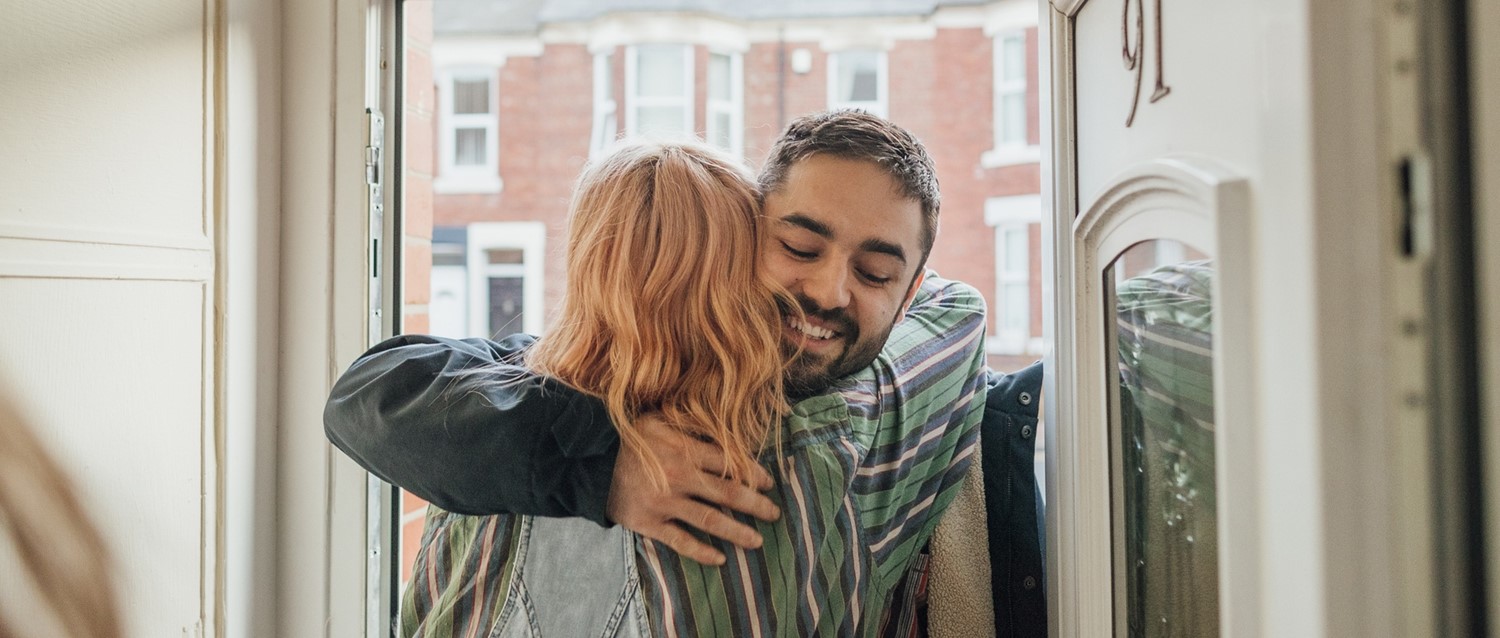
The next round of easing restrictions is an important step forward for England. It's the first time in months that many people will be able to hug or stay overnight with their loved ones.
Among the changes:
Limits on gatherings have been eased, with up to 30 people allowed at outdoor gatherings and up to six people or two households (and their support bubbles) indoors.
Though people are urged to use caution and socially distance where possible, the message has shifted from government rules to personal responsibility. Under this, you can have close contact with loved ones. It's important to emphasise that there are always risks involved with close contact and these must be taken into account before hugging or spending time close to friends and family.
People are allowed to stay overnight in groups of six or two households (and their support bubbles if applicable). This includes hotels and B&B accommodation.
Hospitality venues can open indoors. Previously pubs and restaurants could only offer outdoor seating.
Indoor entertainment like cinemas, bowling alleys, museums and children's play areas can reopen with COVID-secure measures.
Organised indoor sport can take place (including gym classes).
Funeral attendance has been increased from the 30-person limit to however many the venue can safely accommodate with social distancing. Other significant events like weddings, bar/bat mitzvahs, christenings and wakes can have up to 30 people in attendance.
Care homes will now allow residents to have up to five named visitors (with up to two allowed at any one time), as long as visitors test negative for COVID-19 prior to visiting.
Higher education students are allowed to return to in-person teaching. Until now, only students of some subjects have been able to have face-to-face teaching.
Support and parent-and-child groups will be allowed up to 30 people (not including under-5s).
You no longer require a permitted reason to travel internationally although there are still rules in place for anyone travelling to or returning from abroad. Leisure travel is only permitted to countries on the green travel list.
Despite these positive steps forward, it's important to remain cautious. Coronavirus is still circulating in the population, albeit at much lower levels than over the last few months. There is also a new variant of concern - the Indian variant - which appears to spread more quickly, especially among unvaccinated people.
What about the rest of the UK?
Restrictions are easing at different rates across the country and the above changes only apply to England. In the rest of the UK:
In most of Scotland the protection level is moving from Level 3 to Level 2 from 17th May. Whilst some restrictions remain, it's no longer a requirement to socially distance from friends and family at indoor meetings and in outdoor gardens. This will be the first time in months that many people will be able to hug their loved ones. In addition, pubs and restaurants can serve alcohol indoors until 10.30 pm; up to 100 people are allowed at indoor events and theatres and cinemas can reopen.
Some of Northern Ireland's restrictions are due to be reviewed on 20th May, with the hope that some will ease from 24th May. These include reopening of indoor hospitality, indoor gatherings of up to six people and indoor entertainment.
From 17th May restrictions are easing in Wales, with indoor hospitality and entertainment, holiday accommodation and foreign travel allowed. Indoor socialising will continue to be restricted to extended households where two households can mix.
Can I travel abroad?
For the last few months travelling abroad hasn't been allowed unless you had a permitted reason, like travelling for work. From 17th May, there is a traffic light system in place, based on the risk of infection in each country or territory.
Each group requires different measures to be able to travel and return. Travelling for leisure is only allowed to green countries. All passengers arriving in England will have to take a COVID-19 test before returning and take further tests on their arrival.
Travellers returning from red or amber list countries will have to self-isolate for ten days after their return, with those arriving from red countries staying in managed 'quarantine hotels' for their isolation period. This will also apply to anyone who's travelled to a red or amber country in the ten days prior to their arrival in England. People from amber list countries may be able to leave quarantine earlier by taking a private COVID-19 test from 5 days after their return under the 'test to release' scheme - they can leave quarantine early only if this test is negative.
Staying safe as lockdown lifts
The latest guidance has shifted the tone of the restrictions from government guidance to personal responsibility. People are urged to think about their actions and take steps to stay safe as they enjoy these new freedoms. So what can you do to mitigate risks whilst enjoying spending time with your loved ones?
If you have COVID-19, stay at home
The advice remains the same for anyone who has COVID-19. Anyone with symptoms - a new cough, a temperature or loss of smell or taste - however mild, should stay at home and book a PCR test. This means you should self-isolate until you receive your results. If you test positive, you and anyone you live with must self-isolate at home for ten days from the onset of symptoms or the date of your positive test if you don't have symptoms.
You must do this - even if you have been vaccinated - to reduce the risk of passing the virus on to anyone else.
Minimise contact
All these new restrictions come with a caveat: be cautious. Keep the number of people you're having close contact with to a minimum and try not to meet with multiple groups of people every week, especially if they're from different households. This way, if anyone tests positive, fewer people are affected. The more people you're in contact with, the greater the risk.
Transmission can happen even with brief contact but spending long periods of time together increases this risk.
While there is more freedom for close contact, it's still important to maintain social distancing where you can, and especially where required. The guidance hasn't changed for public spaces like transport, hospitals and shops - it's still important to maintain a 2-metre distance from anyone not in your household or support bubble and wear face coverings unless exempt.
Remember that some people are at a higher risk from COVID-19
Though your own risk of serious illness may be lower, whether due to age, health or vaccination status, there are many people who are still at a much higher risk of complications if they were to contract COVID-19. These include people who are elderly, pregnant or clinically extremely vulnerable - many people in these groups will now have received the COVID-19 vaccination which reduces but does not eliminate their risk.
When meeting people, make sure to consider other people's risks as well as your own and take precautions to keep everyone as safe as possible.
Let in some air
As coronavirus is airborne, meeting outside is safer as fresh air and open space reduce transmission. Where possible, opt to meet people in outdoor spaces like gardens or parks where it's easier to socially distance. When meeting indoors, keep rooms well ventilated and let in plenty of fresh air to improve air circulation and remove stale air which may contain particles of virus.
Book your vaccination if you've been called up for one
The vaccination programme is carrying on, full steam ahead, with 20 million people now fully vaccinated against coronavirus and more than 36 million having received at least one dose. Anyone aged 38 or older, people who are carers and those who are clinically vulnerable (or clinically extremely vulnerable) are now eligible for the vaccine and can book on the NHS website. 35-37 year-olds will also start being invited some time in the week commencing 17th May.
In parts of Glasgow, in response to a rising number of cases across the city, people aged 18-39 are now being invited to have a vaccination.
If you've received your first vaccination, you should have your second dose 8-12 weeks after your first. You need to have both doses for maximum protection. People in groups 1-9 (over-50s and the clinically vulnerable/extremely vulnerable) who have had their first dose are having their second dose brought forward from 12 weeks to 8 weeks after the first. You don't need to contact anyone about this - if you're eligible, you will receive a notification.
Get tested twice a week
Even if you don't have symptoms, you can now get tested regularly to find out if you have COVID-19. Around a third of people with the virus are asymptomatic and so may pass it on unknowingly. You can order rapid tests to do at home from your pharmacist, online or through Patient Access. You can also get tested at a rapid lateral flow test site.
Maintain good hygiene
It's still as important as ever to wash your hands regularly or use hand sanitiser to reduce the spread of COVID-19. Wipe down surfaces using antiviral cleaning products regularly, especially in shared spaces or places which get touched by lots of people.
By taking these measures, we can stay safe and enjoy spending time with friends and family as the restrictions ease.
Patient picks for Pandemic articles

COVID-19
How are universities supporting students during the COVID-19 pandemic?
Unsurprisingly, the pandemic has had an enormous impact on students. COVID-19 has meant students have been forced to isolate themselves and do their learning online, usually while paying extremely high university and accommodation fees.
by Lydia Smith

COVID-19
What are the latest rules on face masks in the UK?
As rules ease slightly in some parts of the UK, new measures are introduced to keep us safe as our exposure to the outside world increases. One of these measures is wearing a face mask or covering which, in England, has become mandatory in some situations.
by Milly Evans
About the authorView full bio

Milly Evans
Editor
Milly writes on a range of health topics, with a particular interest in health inequality and sexual health.
About the reviewerView full bio

Dr Sarah Jarvis
Clinical Consultant
MA (Cantab), BM, BCh (Oxon), DRCOG, FRCGP, MBE
After training in medicine at Cambridge and Oxford, Dr Sarah Jarvis MBE became a GP.
Article history
The information on this page is peer reviewed by qualified clinicians.
Article also available in English, German, Spanish, French, Italian, Portuguese, Hindi, Hebrew, Arabic, and Swedish.
17 May 2021 | Latest version
Join the conversation
Share your thoughts or experiences with others in our patient communities.

Ask, share, connect.
Browse discussions, ask questions, and share experiences across hundreds of health topics.

Feeling unwell?
Assess your symptoms online for free
Sign up to the Patient newsletter
Your weekly dose of clear, trustworthy health advice - written to help you feel informed, confident and in control.
By subscribing you accept our Privacy Policy. You can unsubscribe at any time. We never sell your data.
More in cOVID-19
- Are we prepared for another pandemic?
- Bad posture: how to defeat the 'COVID slump'
- COVID-19: how to avoid catching viruses at work
- COVID-19: Should you cancel your Christmas plans because of Omicron?
- How could long COVID impact your mental health?
- How does the new 90-minute COVID-19 test work?
- How has the COVID-19 pandemic affected access to contraception?
- How to maintain a healthy lifestyle during lockdown
- How to protect yourself from COVID-19 and flu in pregnancy
- How to stay on top of unhealthy habits in lockdown
- Long COVID: What are the symptoms and treatment?
- Long COVID: what support is available?
- Not quite 'back to normal': a guide to post-pandemic family healing
- The latest treatments for COVID-19
- What impact has COVID-19 had on HIV testing?
- What to do if you have problems with your eyes during lockdown
- What we know about the IHU COVID-19 variant
- Why are women so vulnerable to COVID-19 in pregnancy?
- Why it's normal to feel anxious about a post-COVID future
- Will we need a COVID-19 booster vaccine every year?