Quelle est la santé de l'eau aromatisée ?
Revu par Dr Krishna Vakharia, MRCGPRédigé par Victoria RawPublié à l'origine 4 juil. 2024
Respecte les directives éditoriales
- TéléchargerTélécharger
- Partager
- Language
- Discussion
- Version audio
- Ajouter aux sources préférées sur Google
Beaucoup d'entre nous aiment ajouter de la saveur à l'eau ordinaire pour la rendre plus attrayante pour nos papilles gustatives. Cela peut être fait de différentes manières - en utilisant des sirops classiques ou des rehausseurs d'eau modernes. Mais existe-t-il des moyens plus naturels de garder votre corps hydraté ?
Our bodies are made of around two-thirds water. So keeping it topped up with healthy fluids is extremely important. Water plays a critical role in numerous bodily functions. Giving your body less water than it needs can lead to dehydration. This can cause headaches, fatigue, and decreased mental and physical performance.
It's recommended you drink 6-8 glasses of water a day. Plain water is best for meeting your body's hydration needs. However, some find it challenging to reach these targets by drinking plain water alone.
What is flavoured water?
If you need an added incentive to drink enough water, adding flavourings to a typically tasteless drink can enhance its appeal. Some of the most common shop-bought options include:
Cordials - these are flavoured syrups that can be added to water. They're made from fruit juice, flowers, herbs or spices and can be bought in sweetened or unsweetened form.
Still or sparkling flavoured water - this comes in a variety of flavours - similar to cordials. Some people find the fizzy sensation in sparkling water a refreshing alternative to flat water.
Water enhancers - these are concentrated liquids, tablets or powders. You can add them in small amounts to water for added taste. They are usually sugar-free or low in sugar and may contain added benefits such as vitamins, minerals and electrolytes - electrically charged minerals that transmit signals throughout your body - like sodium, calcium, and potassium.
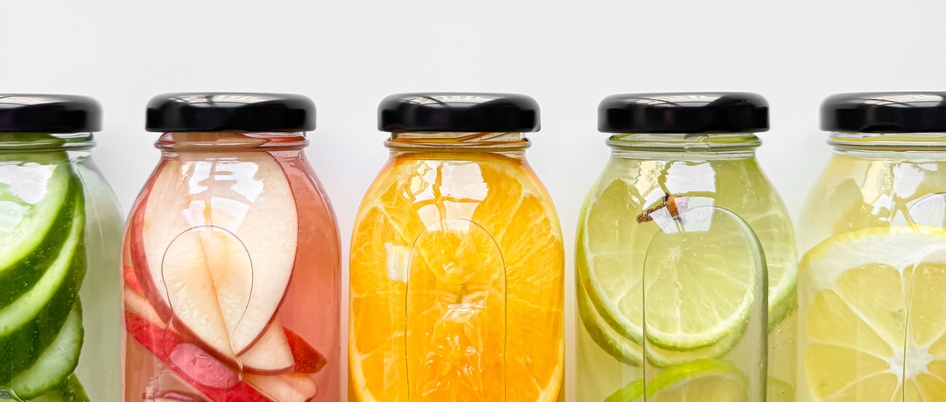
The healthiest way to enjoy flavoured water is to add slices of fruit, herbs, or vegetables yourself, for a hint of natural taste.
Is flavoured water good for you?
While plain water is the healthiest choice for hydration, some people find it unappetising. Pre-made flavourings provide a convenient way of making water more enjoyable. They may also discourage you from drinking more sugary drinks such as soda or pop.
Avery Zenker, a registered dietitian based in Ontario, Canada says: "Shop-bought packets are quick, convenient, store well at room temperature and are easily transportable. Many don’t contain added sugars. Some may have added vitamins and minerals - like B vitamins and vitamin C. These might provide some additional nutritional value if you're otherwise unable to get enough nutrients from your food."
Jabe Brown, Founder of Melbourne Functional Medicine, adds that electrolyte-enhanced water flavourings can be beneficial for:
Intense exercise.
Transpiration excessive.
Being sick or having diarrhoea.
Extremely hot days - to prevent heat-related issues.
However, drinking too much electrolyte-enhanced water - especially if you are doing intense exercise or not dehydrated - can put your internal electrolytes out of balance, which could lead to dangerous medical complications.
What health concerns are associated with flavoured water?
Adding flavour to your water - especially when you might otherwise not drink enough - is an ideal hydration hack. However, it's important to be mindful of the ingredients in these products.
Sucre
Brown warns that many shop-bought flavourings still contain a good amount of pure sugar (sucrose).
"This can contribute to high caloric intake and raise blood sugar levels," he says. "So they are not that much better than a can of pop."
Artificial sweeteners
Zenker advises that many pre-made products contain artificial sweeteners such as aspartame, Ace-K and sucralose. These could be harmful to your health - especially your gut microbiome. They may also contain artificial colours which could cause an allergic reaction or behavioural issues in children.
New guidelines from the World Health Organization (WHO) suggest long-term use of artificial sweeteners - such as xylitol - may increase your chance of type 2 diabetes and heart disease1.
Acides
"These flavourings also contain acids - such as citric or malic acid," Zenker adds. "While citric acid is the same kind found in lemons, exposing it to your teeth daily can harm your tooth enamel."
Vitamines et minéraux
Water enhanced with electrolytes usually includes sodium and potentially smaller amounts of potassium and magnesium. If your doctor has advised you to limit sodium, you should keep an eye out for the sodium content in electrolyte drinks.
Zenker explains: "Consuming too many vitamins and minerals can also lead to imbalances or adverse effects. It's recommended you use these products in moderation and read labels carefully to choose options with ingredients that align with your personal needs and preferences."
Fitness and nutrition advisor, Dr Chris Mohr, and former Sports Nutritionist for the US football team Cincinnati Bengals and University of Massachusetts Athletic Program, says: "If you're generally healthy and eat a balanced diet, you might not need these extra enhancements. Aside from electrolytes that may be lost during sweat, added vitamins won't necessarily enhance your health unless they're correcting an insufficiency. It's a good idea to consider whether these additions are necessary for your health, lifestyle or budget before integrating them into your diet."
Natural ways to flavour your water
Drinking plain water is the healthiest way to stay hydrated. But if this doesn't appeal to you, infusing it with fruits, vegetables or herbs is a great way to add flavour - and even gain health benefits.
Mohr recommends that using natural flavouring to enhance plain water is generally healthier because they're free from added sugars and artificial flavours.
"Natural enhancements, like fruit slices or herbs, provide subtle flavours and may offer small amounts of vitamins and antioxidants," he adds. "This also avoids absorbing unnecessary additives."
Natural options for infusing water include:
Lemons, limes, oranges.
Cucumber.
Strawberries, raspberries.
Mint, basil, rosemary.
Grapefruit.
Blueberries.
Kiwi.
Ananas.
Gingembre.
Easy fruit-infused water recipe
According to Mohr, it's surprisingly simple to naturally flavour water:
Take a large pitcher of water.
Add sliced lemons and limes.
Tear a handful of mint or basil leaves and gently crush them to release their oils.
Add them to the pitcher.
Let the mixture sit for an hour, allowing the flavours to infuse.
Serve over ice.
He adds that you can do this with other fruits, depending on your preferred flavour.
Pour en savoir plus
Sélections des patients pour Alimentation saine

Régime et nutrition
Avez-vous vraiment besoin de renoncer au sucre ?
Les détox de sucre sont populaires, surtout après la période festive. Mais abandonner complètement le sucre n'est pas forcément la meilleure option pour tout le monde et ne mène pas nécessairement à une alimentation saine.
par Léa Surugue

Régime et nutrition
Comment aider vos enfants à manger sainement pendant Noël
Christmas is a time when many of us relax the rules about food. But when it comes to our children's health, how much is too much - and where should we draw the line?
par Gillian Harvey
À propos de l'auteurVoir la biographie complète
Rédigé par

Victoria Raw
Auteur de chroniques
Licence (Hons), Littérature anglaise
Victoria est rédactrice de contenu chez Patient, avec des intérêts particuliers couvrant le bien-être mental, les tendances sociétales et l'impact de la technologie sur notre santé.
À propos du critiqueVoir la biographie complète

Dr Krishna Vakharia, MRCGP
Médecin-chef pour la santé, Optum UK
MBChB, MRCGP(2013), BMedSci (hons), DFSRH, DRCOG, PGDipDerm (Distn)
Le Dr Krishna Vakharia est un médecin généraliste du NHS. Elle est également examinatrice régulière pour le diplôme de troisième cycle en dermatologie pratique à l'Université de Cardiff, ainsi que médecin-chef pour la santé chez Optum UK.
Historique de l'article
Article également disponible en Anglais, Allemand, Espagnol, Français, Italien, Portugais, Hindi, Hébreu, Arabe, and Suédois.
Prochaine révision prévue : 4 juil. 2027
4 juil. 2024 | Publié à l'origine
Écrit par :
Victoria RawRevu par
Dr Krishna Vakharia, MRCGP
Participez à la conversation
Partagez vos pensées ou expériences avec les autres dans notre communautés de patients.

Demandez, partagez, connectez-vous.
Parcourez les discussions, posez des questions et partagez vos expériences sur des centaines de sujets de santé.

Vous ne vous sentez pas bien ?
Évaluez vos symptômes en ligne gratuitement
Inscrivez-vous à la newsletter Patient
Votre dose hebdomadaire de conseils de santé clairs et fiables - rédigés pour vous aider à vous sentir informé, confiant et maître de la situation.
En vous abonnant, vous acceptez notre Politique de confidentialité. Vous pouvez vous désabonner à tout moment. Nous ne vendons jamais vos données.