How will not going back to the office affect our health?
Peer reviewed by Dr Sarah JarvisLast updated by Ellie BroughtonLast updated 3 May 2021
Meets Patient’s editorial guidelines
- DownloadDownload
- Share
- Language
- Discussion
- Audio Version
- Add to preferred sources on Google
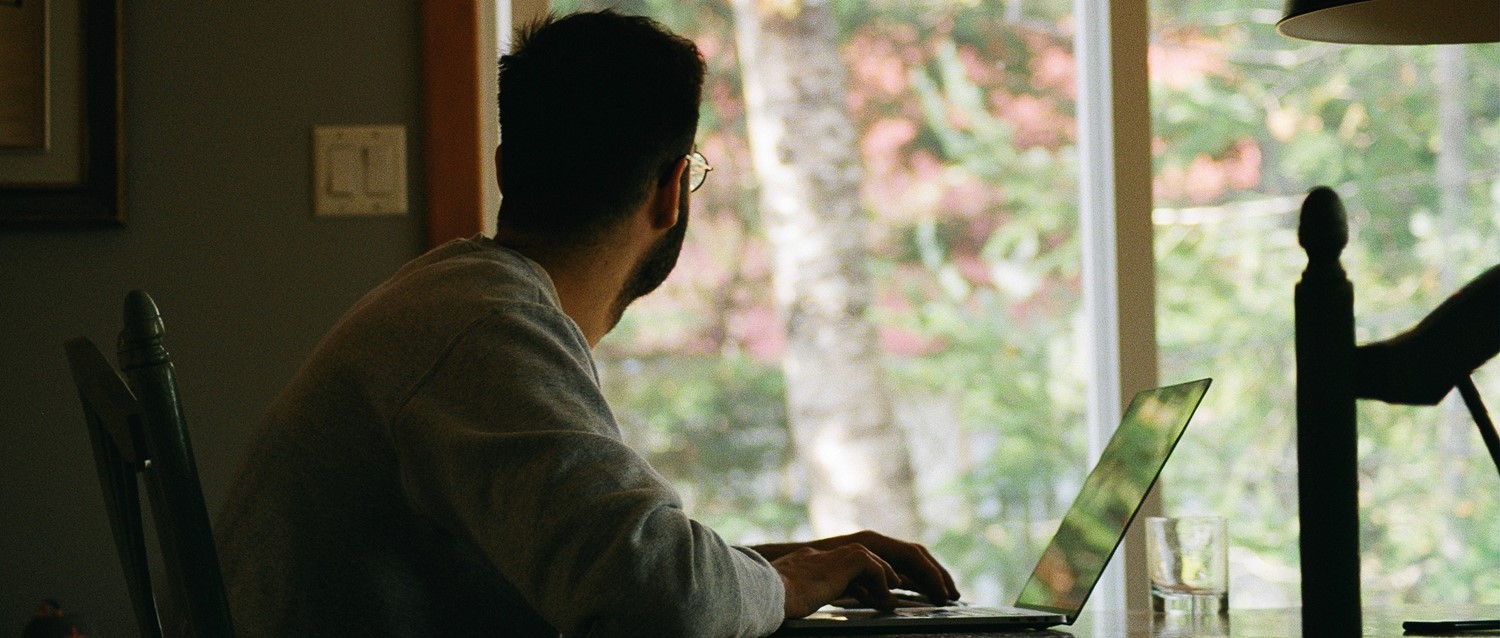
Whether you long to be back in a swivel chair or plan to Zoom from bed forever, either way many office workers will by now have firm opinions on remote work. As more and more employers launch 'hybrid working', employees must now count the physical and mental costs of a year of working from home.
Before COVID-19, working from home was a rare treat. The CIPD says that 65% of employers did not offer any regular working from home (or only offered it to a fraction of the workforce) - now, only 37% of employers disallow it.
Has lockdown changed our habits?
A year is a long time to try out a big lifestyle change but despite the difficult circumstances, many of us have experienced moments of better health and well-being in the last 12 months:
An Ipsos MORI study from December 2020 found that respondents reported increased home-cooking and food sharing, and increased attention to diet.
A DrinkAware survey from July 2020 found 15% of people had cut back on alcohol.
A large survey of 15,737 people from Belgium found the majority of respondents exercised as much or more than usual during lockdown.
But unsurprisingly, most of us struggled to stay healthy in lockdown. An Ipsos MORI poll in March found that overall 38% of respondents feel that their physical health will get worse because of the pandemic, and 43% said the pandemic will make their mental health worse:
Food insecurity increased in line with financial insecurity. The Ipsos MORI study also found that, in November, one in five respondents reported cutting down on meals for financial reasons - in particular, 38% of 16- to 24-year-old respondents experienced food insecurity.
A UK study in Appetite last January warned that there is a pressing need to understand how the pandemic affected population level weight gain, warning in particular that lockdown may have had a 'disproportionately large' influence on weight-related behaviours among adults with a higher BMI.
22% of respondents to the DrinkAware study were drinking more (and the percentage was higher amongst people on furlough and parents with at least one child under 18, at 38% and 33% respectively).
The Belgian study also found that nearly half of the group who exercised the same as before or more in lockdown also reported sitting more. There's growing evidence that sitting for long periods correlates with higher risk of diagnoses including type 2 diabetes and cancer.
A recent Mintel survey found that more than half of smokers report smoking more during the pandemic.
And with over 150,000 COVID-19 deaths to date in the UK, an estimated 300,000 people in the UK experiencing long COVID and a colossal wait for treatment for many, stressors are common and likely to persist this year.
Stuck at home
For those in difficult living situations, the year of remote working has run unique risks to good health. An LSE survey from July 2020 found that 37% of respondents in shared accommodation worked in their bedrooms during lockdown.
Chris Wood, assistant director of policy at Shelter, says that staff at its free advice services see cases every day where people work in insecure accommodation or damp, mouldy or cold homes.
"Good housing is essential to good health," Wood says. "Millions of people have spent the past year trapped in properties that are in a terrible state, with no choice but to work, learn and live in places they can barely call a home. No one should have to live in a run-down, dangerous or insecure home and be powerless to fix it."
Not going back to uni
Although students won't face the same changes as workers, they too are likely to face a hybrid model for studying. Dr Dom Thompson, GP and author of How to Grow a Grown Up, says that many of the students she speaks to feel abandoned.
"To hear that shops are open and everything else is getting back to normal while they can't even meet up for tutor groups is a real blow for them," Dr Thompson says. Having time for 'unproductive' activities like sports and hobbies helps students deal with the emotional toll, she says.
Mental health services have seen high levels of need, particularly in the second and third lockdowns, and she predicts another wave of demand when the new academic year begins.
"My colleagues who are heads of counselling or support services at universities are absolutely drained from this year of trying to deliver services to students who are scattered everywhere," she says. "Students are dealing with really difficult things - including more bereavement - and are not able to see them in person. Although it's hard to predict what will happen, I think in the autumn we'll see a delayed response for student mental health services."
Hybrid working
By 21 June, the Government hopes that they will be able to end 'all legal limits on social contact'. Nonetheless, some of us will still expect to distance and mask. Not everyone will be vaccinated by 21 June - and even after all willing adults have been vaccinated, under-18s will still be waiting.
'Hybrid working' (a mix of office and remote work) not only enables people to get the best of office and home work, it also contributes to the UK’s COVID-19 recovery. Evidence (such as this multi-country analysis in Nature) strongly demonstrates links between mobility and transmission.
Assessments and agreements
But the Society of Medicine (SOM) warns that employers cannot force workers to return to unsafe spaces, and risk assessments will be absolutely vital to decide how long to keep working from home.
SOM's 2020 toolkit, 'Returning to the workplace', has a simple template for a COVID-19 risk assessment for workplaces, and opens with a reminder that employers cannot force their employees to return to work if it is unsafe. The toolkit is published in association with Mind, CIPD and Acas.
Dr Drushca Lalloo, a consultant physician in occupational medicine and professor at the University of Glasgow, said: "For the first time, our guidelines take account of community prevalence, vaccination status and previous COVID-19 infection in the return-to-work risk assessment.
"Unfortunately, only 50% of UK workers have access to occupational health, so for many workers their risk assessment will have to be done by their GP, employer or themselves and this tool will help all parties understand their risks and the appropriate work-related control measures."
Sharon Graham, Unite's executive officer, knows that there are dangers, as well as opportunities, for employees in remote work. The union has now published a free template for a homeworking agreement that it recommends employers put in place.
"It is in everyone's interest to ensure homeworking is introduced properly and fairly," Graham says. "Done badly, it can lead to more work for the same pay. It can also lead to stress and depression, as well as health and safety risks from working in an unsuitable environment.
"It is vital that employers now recognise that homeworking is an issue for negotiation, not imposition, and that we will be demanding adequate protection for our members."
Back at last
Whatever you miss about the office - mentoring, training, brainstorming, after-work pints, or fish-and-chip Fridays - you're not alone in missing it. An Ipsos MORI poll in February found that 51% of respondents were looking forward to seeing colleagues again, and 31% even missed the commute. No surprise, then, that in April the Office for National Statistics reported that over half of working adults had left home to work in the past week.
Lastly, it's also perfectly normal not to miss the office (or to miss it, without wanting to go back). A recent YouGov poll found that 18% of workers now want to work from home full-time. If your health has improved during home working, hybrid working could be an ideal way to make a change for good.
Patient picks for Workplace health
General health and lifestyle
Workplaces should help staff get fit to reduce sick days
Employers should do more to encourage staff to be more active during the working day, to tackle obesity levels and boost staff satisfaction, according to health officials.
by Natalie Healey
General health and lifestyle
How to improve your mental health while working from home
The first lockdown in March 2020 made working from home a part of millions of people's lives overnight. Nearly two years later and many businesses have adapted a hybrid approach where home-working is the norm. However, this new way of working can take a toll on your mental health, especially when lone working is a stark contrast to the hustle and bustle of a hectic office environment. Let's look at how you can improve your mental health while working from home.
by Emily Jane Bashforth
About the author

Ellie Broughton
About the reviewerView full bio

Dr Sarah Jarvis
Clinical Consultant
MA (Cantab), BM, BCh (Oxon), DRCOG, FRCGP, MBE
After training in medicine at Cambridge and Oxford, Dr Sarah Jarvis MBE became a GP.
Article history
The information on this page is peer reviewed by qualified clinicians.
Article also available in English, German, Spanish, French, Italian, Portuguese, Hindi, Hebrew, Arabic, and Swedish.
3 May 2021 | Latest version
Join the conversation
Share your thoughts or experiences with others in our patient communities.

Ask, share, connect.
Browse discussions, ask questions, and share experiences across hundreds of health topics.

Feeling unwell?
Assess your symptoms online for free
Sign up to the Patient newsletter
Your weekly dose of clear, trustworthy health advice - written to help you feel informed, confident and in control.
By subscribing you accept our Privacy Policy. You can unsubscribe at any time. We never sell your data.
More in general health and lifestyle
- Does cold weather boost weight loss?
- How to avoid food poisoning this summer
- How to handle asthma during the winter months
- How to maintain your running routine in winter
- How to relieve itchy eyes in the summer
- How to stay healthy at a music festival
- How to treat sunburn at home
- How your diet can help prevent type 2 diabetes
- Looking after your mental health when returning to work after maternity leave
- Pharmacy First - getting the most from your pharmacist
- Plant-based proteins could help prevent high blood pressure
- Pride, belonging, and why health is about more than healthcare
- Sexual health at work - should bosses be doing more?
- Spring is in the air, but winter bugs are still about
- Stay fit indoors: winter workout ideas you can do at home
- The Patient Charter: Your rights, NHS pledges and responsibilities
- This is what cold weather does to your heart
- What is the endocannabinoid system - and why does it matter?
- What to expect from your pharmacy consultation
- When the heat rises, so do heart risks: What you need to know