Que faire si votre médicament n'est pas disponible
Revu par Dr Krishna Vakharia, MRCGPDernière mise à jour par Victoria RawLast updated 27 fév 2025
Respecte les directives éditoriales
- TéléchargerTélécharger
- Partager
- Language
- Discussion
- Version audio
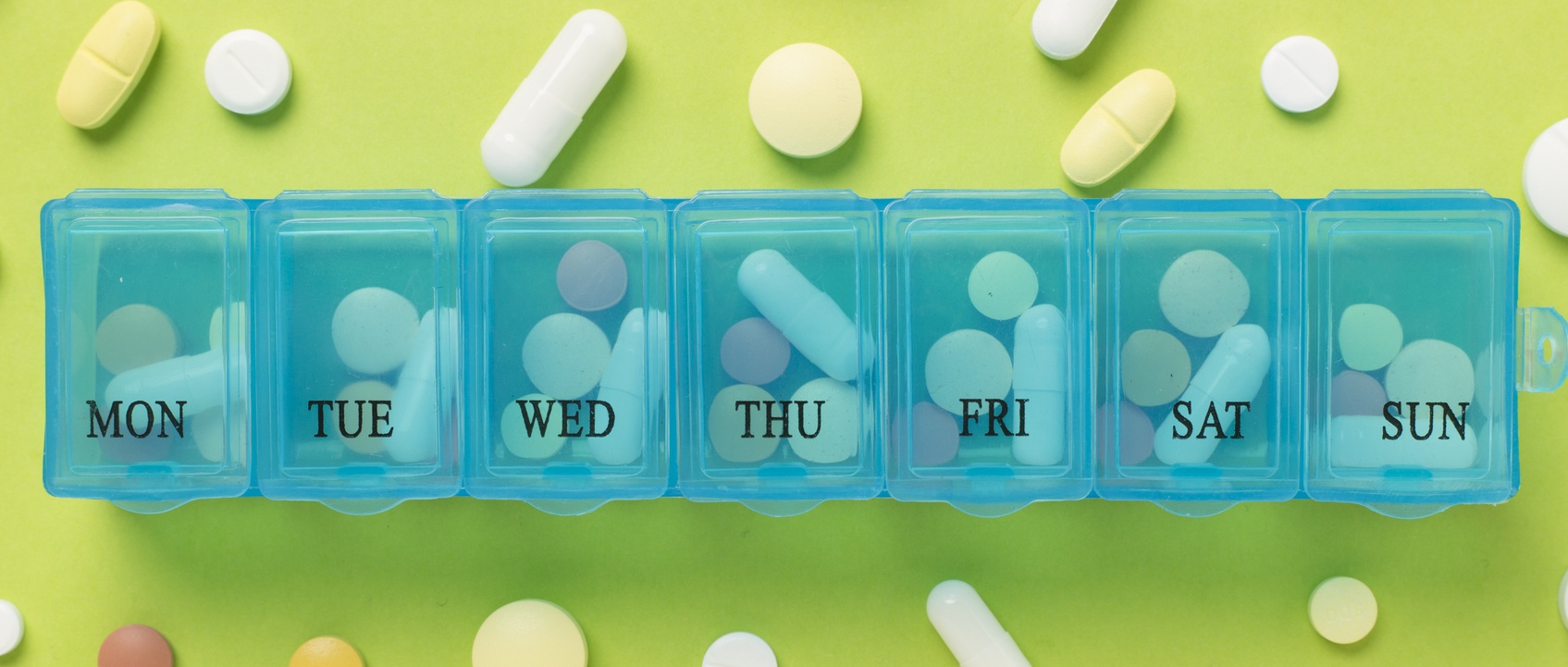
Si vous prenez des médicaments, vous n'êtes pas étranger à l'idée de récupérer régulièrement une ordonnance - mais que se passe-t-il lorsqu'elle n'est pas disponible ? Il existe de nombreuses raisons pour lesquelles un médicament peut devenir indisponible et il est important de savoir quoi faire si cela arrive à votre ordonnance.
Dans cet article:
Video picks for Informations sur les médicaments
The most important thing to remember is that you must speak with your doctor or pharmacist about alternatives if you cannot get your regular medicine.
Hussain Abdeh, a superintendent pharmacist, based in Greater Manchester, and Scott McDougall, co-founder of The Independent Pharmacy, explain more.
"High demand may account for why certain medicines are unavailable, especially if it is a medicine to treat a very common condition," Abdeh says. "Buying patterns of certain medicines can also spike at certain times of the year, causing stock issues along the way."
He adds that local shortages can also be experienced at pharmacies, so it's always a good idea to check if your medicine is available at another pharmacy.
Continuez à lire ci-dessous
Don't stop taking your meds
It's important you continue taking your prescribed medicine. If you cannot get your usual prescription you will need to find alternatives. Your doctor or pharmacist will be able to help with that.
Abdeh says that most medicines will be available in more than one version - such as a different brand or a generic version of what you require. If the required medicine is not available, one of these alternatives will normally be dispensed by the pharmacy.
"In cases where an alternative form of the same medicine is not available, a different medicine with similar properties will be recommended," he explains. "This alternative will be a treatment for the same condition and a qualified medical professional will check to make sure that it is safe for you to take."
Pharmacist or doctor?
Retour au sommaireWho you contact about your missing medicine depends on the type of medicine you usually take. If it's a prescription, your doctor or practice nurse will need to issue you with a new prescription, but if it's over-the-counter medicine then your pharmacist is your best bet.
McDougall says: "If it is a prescription medicine, by law, your pharmacist has to provide the medicine that the doctor has stipulated. For non-prescription medicines, pharmacists are able to advise on similar alternatives. There are multiple medicines and brands available, so if your preferred medicine is not available, your pharmacist could suggest multiple alternatives that might help instead."
Abdeh adds that pharmacists often stock a 'like for like' version of medicines, so if your version isn't available another version could be provided. In the instance where there is not a like-for-like alternative, the pharmacist may need to request an alternative prescription from your doctor.
"Firstly, your doctor will need to authorise a new prescription for you to change prescription medicines," he says. "Secondly, they will have access to your medical history and will be able to make certain that the new medicine is safe for you to take. However in most cases the pharmacist is able to dispense a similar medicine to treat your condition."
Abdeh warns: "You should never change from one prescription medicine to another without speaking with your doctor. Different medicines contain different ingredients, even if they are used to treat the same condition, so one medicine may be less effective than another for different people."
Continuez à lire ci-dessous
Danger zone
Retour au sommaireIt goes without saying that stopping medication can put your health in jeopardy, so it's very important you find an alternative to your regular prescription if it's not available.
"To effectively treat or control a condition, it is vital that you always take your medicine exactly as your doctor or pharmacist has instructed you," Abdeh says.
"You should never stop taking a medicine before you finish your course of treatment as laid out by your doctor. Doing this may mean that you have not fully cured the problem, which means that the problem may come back again."
He adds that you may also experience unpleasant side effects and withdrawal symptoms if you stop taking your medicine.
Withdrawal symptoms could include:
Anxiété.
Irritabilité.
Douleurs d'estomac.
Sleep problems.
Sueurs.
McDougall explains that the health hazards of stopping your medicine depend on the type of prescription you usually take. If you're unsure, pharmacists can advise you on this.
Generic is just as good
Retour au sommaireThere's a common misconception that generic versions of a drug aren't as effective, or won't treat your condition as successfully.
But actually, generic drugs are just as effective, have no more side effects and are often cheaper for the NHS.
McDougall says you don't have to worry if your pharmacist swaps your usual medicine for a generic version. Generic and branded medicines are all thoroughly tested to ensure that they meet the same standard of quality. Even receiving different generic brands is inconsequential - a common pharmaceutical practice that saves the NHS money.
He adds: "However, some medicines must be prescribed as a specific brand. For these medicines, there are very narrow margins between a safe and a toxic dose, so even small changes can be dramatic.
"Thankfully, there are very few medicines that fall into this category, and pharmacists are aware of this. As a result, they can ensure that people are kept on the right brand of medicine for their condition."
Abdeh advises you should always tell your doctor or pharmacist about other medicines you are taking if your prescription needs to be swapped.
"This includes medicine that you can buy without a prescription, like herbal remedies, vitamins and supplements," he says. "If you know that you are allergic to certain substances, or if you have a medical - or family - history of any serious health problems, make sure they know straightaway."
Patient picks for Informations sur les médicaments
Traitement et médicaments
Devez-vous vous inquiéter de la dépendance aux analgésiques ?
Grâce aux analgésiques, nous pouvons soulager de nombreux types de douleur qui pesaient sur nos ancêtres. Mais la dépendance aux analgésiques est un risque sérieux si vous en prenez pendant trop longtemps. Comment savoir si vous en êtes dépendant, et que pouvez-vous faire ?
par Amberley Davis
Traitement et médicaments
Is it safe to take opioid painkillers?
Opioids, a class of strong painkillers which includes codeine and tramadol, are commonly prescribed but carry addiction risks. We explore how to take this type of medication safely.
par Ellie Broughton
Continuez à lire ci-dessous
Historique de l'article
Les informations sur cette page sont examinées par des cliniciens qualifiés.
Prochaine révision prévue : 28 février 2028
27 fév 2025 | Dernière version
16 Apr 2021 | Publié à l'origine
Écrit par :
Andrea Downey

Demandez, partagez, connectez-vous.
Parcourez les discussions, posez des questions et partagez vos expériences sur des centaines de sujets de santé.

Vous ne vous sentez pas bien ?
Évaluez vos symptômes en ligne gratuitement
Inscrivez-vous à la newsletter Patient
Votre dose hebdomadaire de conseils de santé clairs et fiables - rédigés pour vous aider à vous sentir informé, confiant et maître de la situation.
By subscribing you accept our Politique de confidentialité. Vous pouvez vous désabonner à tout moment. Nous ne vendons jamais vos données.