Ce que nous savons sur le variant IHU du COVID-19
Revu par Dr Sarah Jarvis MBE, FRCGPDernière mise à jour par Lydia SmithLast updated 19 Jan 2022
Respecte les directives éditoriales
- TéléchargerTélécharger
- Partager
- Language
- Discussion
- Version audio
- Add to preferred sources on Google
Tant que la COVID-19 continuera de se propager, des mutations du virus continueront à apparaître. Bien que le Royaume-Uni lutte encore contre le grand nombre de cas de la variante Omicron, facilement transmissible, des chercheurs ont signalé une nouvelle souche appelée B.1.640.2 ou IHU détectée en France. Mais est-elle aussi préoccupante que d'autres variants de la COVID-19 — et que savons-nous à son sujet jusqu'à présent ?
Dans cet article:
Video picks for Informations sur les variants
Continuez à lire ci-dessous
What is the IHU variant?
At the end of 2021, researchers discovered a new COVID-19 variant in France. According to a étude that is yet to be peer-reviewed, the strain was found in a vaccinated French traveller who had returned from Cameroon in Africa in November. The researchers noted that he developed mild respiratory symptoms the day before he was diagnosed. The variant was named B.1.640.2 or IHU after Institut Hospitalier Universitaire in Marseilles, one of the places where it was identified.
Respiratory samples collected from seven other COVID-19 patients living in the same area of southeastern France were found to have the same combination of mutations. All of these samples of the IHU variant were detected in the weeks after the initial case was reported. Researchers later discovered there were 12 people in total with the IHU variant. All of the people infected lived in southern France.
Should we be worried about the IHU or B.1.640.2 variant?
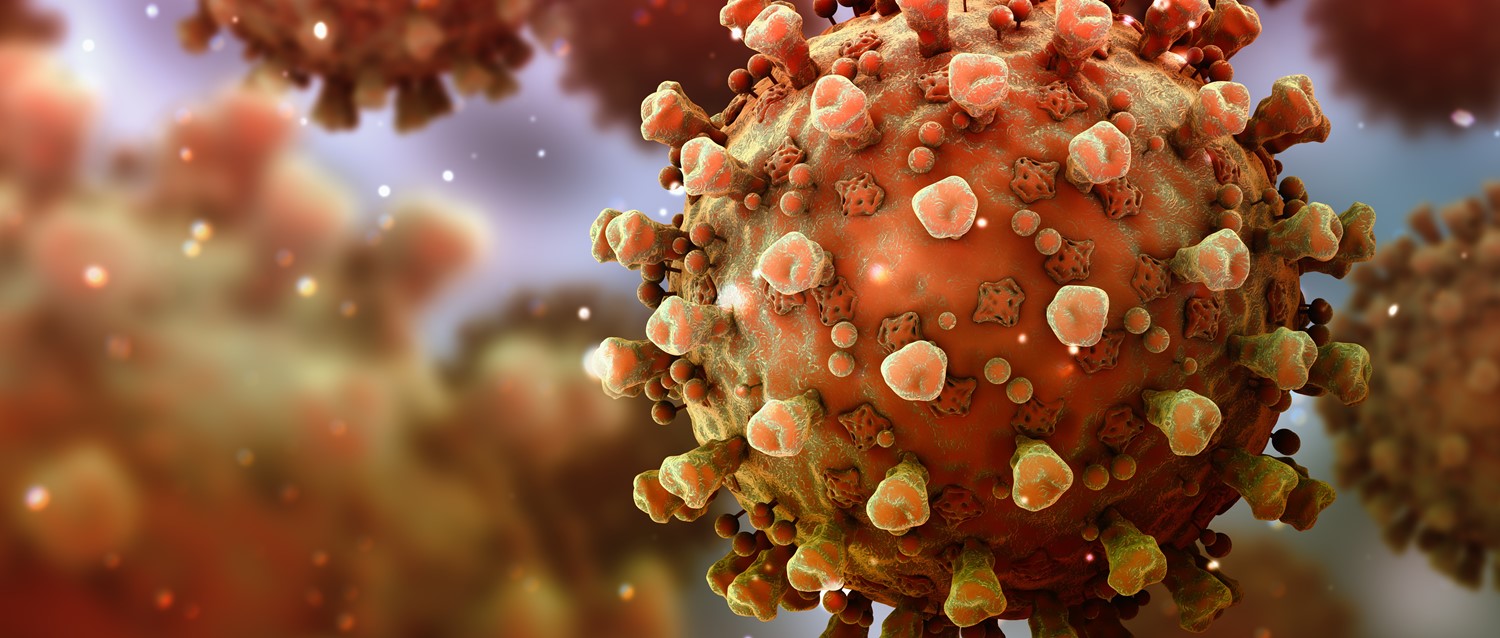
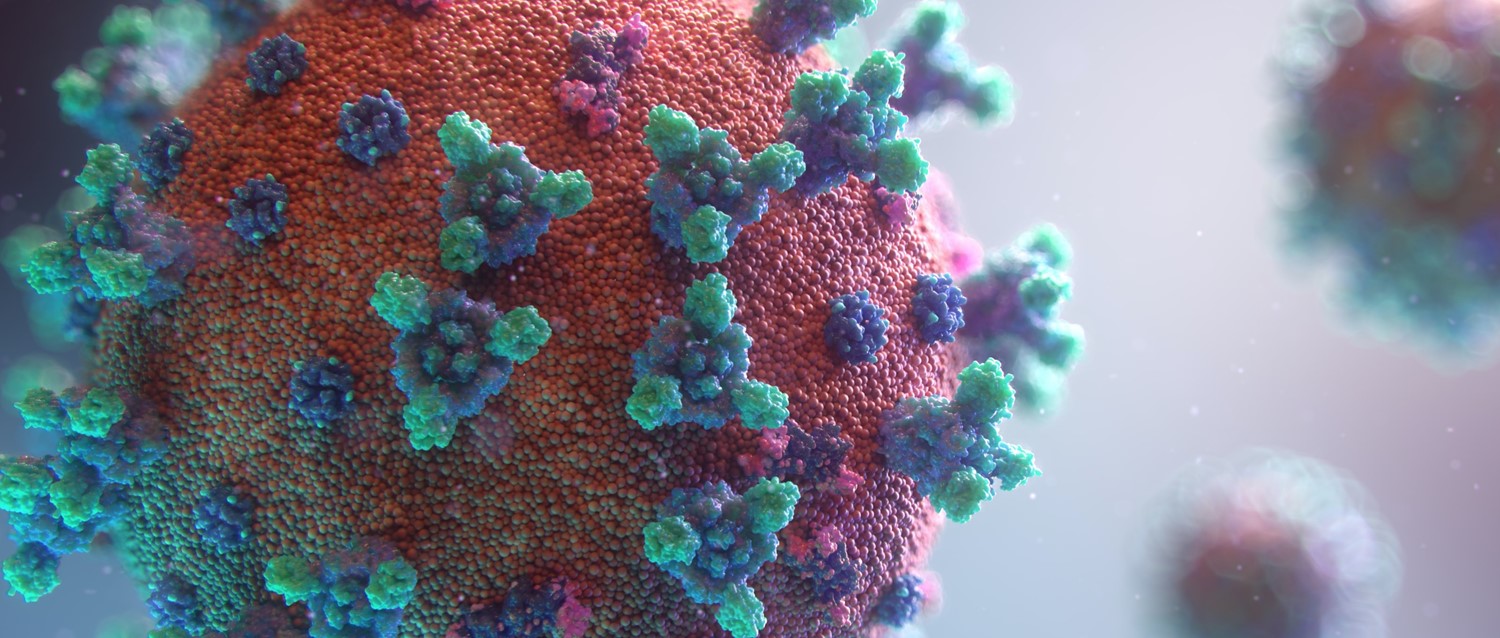
Retour au sommaireViruses mutate to adapt to their surroundings, so they can move more effectively between hosts. Mutations can allow viruses to reproduce more quickly, attach more easily to our cells or evade our immune systems and vaccines. Put simply, spike proteins - made of glycoproteins - protrude from the outside of coronaviruses and help them to infect human cells.
The IHU variant has 46 genetic mutations and 37 deletions, according to the French study. The Omicron variant, in comparison, is thought to have around 50 mutations. Two of the spike protein mutations in IHU - the N501Y and E484K mutations - have been detected in previously seen variants of the COVID-19 virus.
Recherche suggests the N501Y mutation, which was detected in the Alpha variant, can help the virus to bind better to human cells. The E484K mutation, found in various variants, is called an escape mutation because it helps the virus evade the body's immune defences.
However, unlike the Omicron variant, IHU has not been spreading rapidly since it was detected. Many variants of COVID-19 have occurred and will continue to happen in the future, but they are monitored closely by experts. Variants will be flagged as a cause for concern if necessary, but it's important to try not to worry about every one you hear about. It is still essential to continue taking your usual precautions, such as ensuring you are vacciner and wearing masques.
Continuez à lire ci-dessous
WHO: Not yet a variant of concern
Retour au sommaireIHU has not been labelled a "variant of concern" by the World Health Organization and it has emphasised that there is no cause for concern yet. To qualify as a variant of concern, there must be evidence that the variant is:
More transmissible than other variants; and/or
Likely to cause more severe symptoms; and/or
Better able to evade current protections, such as les vaccins.
Abdi Mahamud, the incident manager for the World Health Organization's COVID-19 Incident Management Support Team, said during a recent press conference that the B.1.640.2 variant had many chances to spread over the last two months. However, the WHO will keep a close eye on the variant.
French scientists have said more research is needed about the transmissibility of the IHU variant and that it is too early to speculate. They said: "Overall, these observations show once again the unpredictability of the emergence of new SARS-CoV-2 variants and their introduction from abroad. They exemplify the difficulty to control such introduction and subsequent spread."
How many variants of COVID-19 are there?
Retour au sommaireAlthough attention has focused on the most common strains of COVID-19, such as Alpha, Delta et Omicron, there are many variants of the virus.
A recent paper in the British Medical Journal lists numerous variants including Beta (first documented in South Africa in May 2020) and Gamma (identified in Brazil in November 2020). Both are considered variants of concern by the WHO. Some variants have been declared of "interest" by the organisation. This is its second-tier level of alert.
According to the paper, cases of the Eta variant have been detected in 72 countries, including the UK. The Iota variant, first identified in New York City in November 2020, has been reported in more than 50 countries.
However, not all variants spread as quickly or effectively as others. Many disappear after circulating for a shorter period of time, but some - such as Omicron - spread rapidly. There will likely be many more strains of COVID-19 in the future, which is why la vaccination is so important.
Patient picks for Informations sur les variants
COVID-19
COVID-19 : Le variant Omicron est-il une menace plus grande que le variant Delta ?
Il s'est écoulé moins de trois semaines depuis que des scientifiques en Afrique du Sud et au Botswana ont tiré la sonnette d'alarme concernant une nouvelle souche préoccupante de la COVID-19. Depuis lors, le variant Omicron s'est rapidement propagé, ce qui a conduit à accélérer le programme de rappel vaccinal au Royaume-Uni. Mais le variant Omicron représente-t-il une menace plus grande que les souches précédentes - et que savons-nous à son sujet jusqu'à présent ?
par Lydia Smith

COVID-19
COVID-19 : Quelle est la contagiosité d'Omicron ?
Une nouvelle variante du COVID-19 a été découverte fin novembre 2021. Nommée Omicron (et connue scientifiquement sous le nom de B.1.1.529), la variante a été identifiée par le Dr Angelique Coetzee de l'Association médicale sud-africaine. Nous en sommes encore aux premiers stades, et on ne sait pas grand-chose sur la variante Omicron pour le moment - de nouvelles informations apparaissent chaque jour. Cependant, nous pouvons explorer à quel point elle pourrait être contagieuse et comment nous pouvons nous en protéger.
par Emily Jane Bashforth
Continuez à lire ci-dessous
About the author

Lydia Smith
Feature writer
BA, MA, MSc
Lydia Smith is an award-winning journalist and feature writer who has written extensively on women's health and mental health. She is currently studying for an MSc in psychology.
About the reviewerView full bio

Dr Sarah Jarvis MBE, FRCGP
Clinical Consultant
MA (Cantab), BM, BCh (Oxon), DRCOG, FRCGP, MBE
After training in medicine at Cambridge and Oxford, Dr Sarah Jarvis MBE became a GP.
Historique de l'article
Les informations sur cette page sont examinées par des cliniciens qualifiés.
19 Jan 2022 | Dernière version
19 Jan 2022 | Publié à l'origine

Demandez, partagez, connectez-vous.
Parcourez les discussions, posez des questions et partagez vos expériences sur des centaines de sujets de santé.

Vous ne vous sentez pas bien ?
Évaluez vos symptômes en ligne gratuitement
Inscrivez-vous à la newsletter Patient
Votre dose hebdomadaire de conseils de santé clairs et fiables - rédigés pour vous aider à vous sentir informé, confiant et maître de la situation.
By subscribing you accept our Politique de confidentialité. Vous pouvez vous désabonner à tout moment. Nous ne vendons jamais vos données.