
Calcul de la risque absolu et du risque relatif
Revu par Prof Cathy Jackson, MRCGPRédigé par Dr Louise Newson, MRCGPPublié à l'origine 31 Jan 2018
Respecte les directives éditoriales
- TéléchargerTélécharger
- Partager
- Language
- Discussion
- Version audio
- Ajouter aux sources préférées sur Google
De nombreux reportages dans les médias sur les avantages des traitements présentent les résultats de risque sous forme de réductions du risque relatives plutôt qu'absolues. Cela donne souvent l'impression que les traitements sont plus efficaces qu'ils ne le sont réellement. Ici, nous expliquons la différence entre le risque absolu et le risque relatif pour vous aider à prendre des décisions plus éclairées sur l'opportunité de suivre un traitement ou non.
What are absolute and relative risks?
Absolute risk of a disease is your risk of developing the disease over a time period. We all have absolute risks of developing various diseases such as heart disease, cancer, stroke, etc. The same absolute risk can be expressed in different ways. For example, say you have a 1 in 10 risk of developing a certain disease in your life. This can also be said to be a 10% risk, or a 0.1 risk - depending on whether you use percentages or decimals.
Relative risk is used to compare the risk in two different groups of people. For example, the groups could be smokers and non-smokers. All sorts of groups are compared to others in medical research to see if belonging to a group increases or decreases your risk of developing certain diseases. For example, research has shown that smokers have a higher risk of developing heart disease compared to (relative to) non-smokers.
A couple of examples may illustrate this better:
An example when talking about risks of disease
Say the absolute risk of developing a disease is 4 in 100 in non-smokers. Say the relative risk of the disease is increased by 50% in smokers. The 50% relates to the 4 - so the absolute increase in the risk is 50% of 4, which is 2. So, the absolute risk of smokers developing this disease is 6 in 100.
An example when talking about treatments
Say men have a 2 in 20 risk of developing a certain disease by the time they reach the age of 60. Then, say research shows that a new treatment reduces the relative risk of getting this disease by 50%. The 50% is the relative risk reduction, and is referring to the effect on the 2. 50% of 2 is 1. So this means that the absolute risk is reduced from from 2 in 20, to 1 in 20.
Number needed to treat (NNT)
A figure which is often quoted in medical research is the NNT. This is the number of people who need to take the treatment for one person to benefit from the treatment.
For example, say a pharmaceutical company reported that medicine X reduced the relative risk of developing a certain disease by 25%. If the absolute risk of developing the disease was 4 in 100 then this 25% reduction in relative risk would reduce the absolute risk to 3 in 100.
However, this can be looked at another way. If 100 people do not take the medicine, then 4 in those 100 people will get the disease. If 100 people do take the medicine, then only 3 in those 100 people will get the disease. Therefore, 100 people need to take the treatment for one person to benefit and not get the disease. So, in this example, the NNT is 100.
A quick way of obtaining the NNT for a treatment is to divide 100 by the absolute reduction in percentage points in risk when taking the medicine. Here is another quick example. Say the absolute risk of developing complications from a certain disease is 4 in 20. Say a medicine reduces the relative risk of getting these complications by 50%. This reduces the absolute risk from 4 in 20, to 2 in 20. In percentage terms, 4 in 20 is 20%, and, 2 in 20 is 10%. Therefore, the reduction in absolute risk in taking this medicine is from 20% to 10% - a reduction of 10 percentage points. The NNT would be 100 divided by 10. That is, 10 people would need to take the medicine for one to benefit.
Helping to decide about taking a treatment
The decision on whether to take a treatment needs to balance various things, such as:
What is the absolute risk of getting the disease to start with?
How serious is the disease anyway?
How much is the absolute risk reduced with treatment?
What are the risks or side-effects in taking the treatment?
How much does the treatment cost? Is it worth it to an individual if the individual is paying, or is it worth it to the country if the government is paying?
It may help to look at a couple of examples:
Say your absolute risk of developing a certain disease is 4 in 1,000. If a treatment reduces the relative risk by 50%, it means the 4 is reduced by 50%. Therefore, the treatment reduces the absolute risk from 4 in 1,000 to 2 in 1,000. Not really much in absolute terms.
If it were a minor disease, one which you are likely to recover from, you are not likely to bother to take the treatment.
If it is a fatal disease, you might consider taking the treatment - any reduction in risk may be better than none. However:
Say there was a 1 in 100 risk of developing serious side-effects from treatment. You are then not likely to want the treatment, as the risk from serious side-effects is higher than the risk from the disease.
If there were no risk from the treatment, you might consider the treatment worthwhile.
If the treatment were very expensive:
Then you may not be able to afford it and decide to take the risk without treatment.
If the government is paying, it might decide not to fund this treatment, as the reduction in absolute risk is not great and many people would need treatment to benefit one person.
However, on the other hand, say your absolute risk of developing a different disease is 4 in 10 and a treatment reduces the relative risk by 50%. Your absolute risk goes down to 2 in 10 - this is now a big reduction.
If it were a minor disease that you are likely to recover from, you may still take the treatment if there were no risk of side-effects, so as not to be troubled with the disease.
If it is a fatal disease, you are likely definitely to want treatment, provided the risk of side-effects was much lower than the risk of getting the disease.
If the treatment were very expensive:
If the government is paying, it is more likely to decide to fund this treatment, as the reduction in absolute risk is greater than the previous example and fewer people would need treatment to benefit one person.
En résumé
Treatments for medical conditions are often quoted in the press along the lines ... "New treatment reduces your risk of X disease by 25%". Whilst this sounds good, it usually refers to the relative risk. However, the benefit really depends on how common or rare the disease is. A large reduction of relative risk for a rare disease might not mean much reduction in the absolute risk. For example, a 75% reduction in relative risk for something that has a 4 in a million absolute risk of happening brings the absolute risk down to 1 in a million.
When deciding on whether to take a treatment, ideally you should decide with your doctor if the reduction in the absolute risk outweighs the risks, side-effects and costs of treatment.
Sélections des patients pour Santé

Santé générale et mode de vie
Ce que c'est que de travailler dans les services de santé mentale lorsque vous souffrez d'une maladie mentale
Lorsque nous sollicitons l'aide des services de santé mentale, le personnel est là pour nous aider et nous soutenir. Cependant, nous pouvons oublier que les professionnels de la santé ont aussi leurs propres difficultés, et il est facile de supposer qu'ils ont tout sous contrôle. 1 personne sur 4 au Royaume-Uni rencontre un problème de santé mentale chaque année. Dans cet article, nous allons explorer ce que c'est que de travailler dans les services de santé mentale lorsque vous souffrez vous-même d'une maladie mentale.
par Emily Jane Bashforth

Santé générale et mode de vie
Ce que vous devez savoir sur l'arrêt des médicaments
Si vous faites partie des près de la moitié des adultes britanniques qui prennent au moins un médicament régulièrement, il peut arriver un moment où vous souhaitez arrêter. Mais si vous choisissez d'arrêter votre traitement, il est important de le faire uniquement sur les conseils de votre pharmacien ou de votre médecin généraliste.
par Dr Sarah Jarvis
À propos de l'auteurVoir la biographie complète
Rédigé par
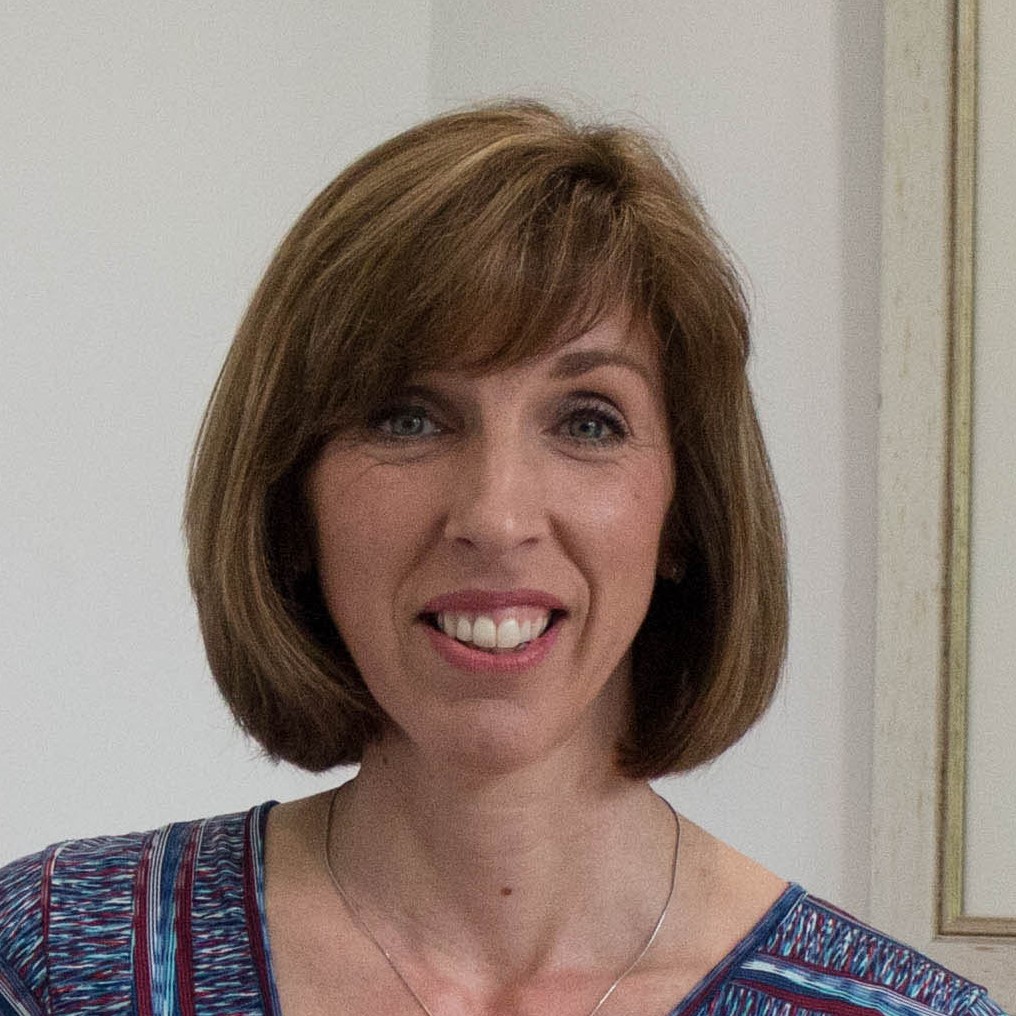
Dr Louise Newson, MRCGP
BSc (Hons) Pathology, MB, ChB (Hons), MRCP, MRCGP, DFFP, FRCGP
Louise a obtenu son diplôme de l'Université de Manchester en 1994 et est médecin généraliste et experte en ménopause à Solihull, West Midlands.
À propos du critiqueVoir la biographie complète

Prof Cathy Jackson, MRCGP
Auteur Médical
BSc (Hons) Physiology, MB, ChB, MRCGP, MD
La professeure Cathy Jackson a obtenu son diplôme de l'École de médecine de Manchester, ayant décroché au passage un diplôme avec mention très bien en physiologie.
Historique de l'article
Article également disponible en Anglais, Allemand, Espagnol, Français, Italien, Portugais, Hindi, Hébreu, Arabe, and Suédois.
31 Jan 2018 | Publié à l'origine
Écrit par :
Dr Louise Newson, MRCGPRevu par
Prof Cathy Jackson, MRCGP
Participez à la conversation
Partagez vos pensées ou expériences avec les autres dans notre communautés de patients.

Demandez, partagez, connectez-vous.
Parcourez les discussions, posez des questions et partagez vos expériences sur des centaines de sujets de santé.

Vous ne vous sentez pas bien ?
Évaluez vos symptômes en ligne gratuitement
Inscrivez-vous à la newsletter Patient
Votre dose hebdomadaire de conseils de santé clairs et fiables - rédigés pour vous aider à vous sentir informé, confiant et maître de la situation.
En vous abonnant, vous acceptez notre Politique de confidentialité. Vous pouvez vous désabonner à tout moment. Nous ne vendons jamais vos données.