
What parents need to know about school entry health checks
Peer reviewed by Dr Sarah JarvisAuthored by Kerry Taylor-SmithOriginally published 1 Sept 2019
Meets Patient’s editorial guidelines
- DownloadDownload
- Share
- Language
- Discussion
- Audio Version
- Add to preferred sources on Google
When a child starts school they are usually offered 'school entry health checks' to test their hearing, vision and growth. But what do these tests involve and do children have to take part?
If your child is starting school in September, you might have noticed an email from the local Health and Immunisation Service drop into your inbox. I've just had one. It details the free NHS support the service offers, and information about the three different screening tests my four-year-old will undergo in his first year at school: hearing, vision, and a growth check.
The school entry health checks aim to detect any potential health issues with both vision and hearing, as well as looking at the general health of the child.
"School entry checks enable every child to have the best start for their education and learning," says The School and Public Health Nurses Association (SAPHNA) committee.
"If problems are picked up early then services can be offered to nip any issues in the bud. Getting the best start at school ensures that children are able to learn, socialise with their peers, and grow in confidence, and sets them up for lifelong learning."
If you're anything like me, it might have been a while since you saw a health visitor (HV). The school entry health checks mark a shift from the HV to school nursing (SN) and can help identify any emerging health needs, in particular special educational needs and disability (SEND).
"Screening is proven to identify early health concerns. The void of time between the last core contact from the HV team and SN means that children do not always have health needs assessed or reviewed," says SAPHNA.
The communication from the local Health and Immunisation Service links to a confidential questionnaire regarding your child's health and diet, and offers you the chance to note any concerns and ask for support if you wish.
Hearing and vision test
The hearing and vision tests were re-introduced in 2018, and they are designed to appear more like a game than a test to the children.
"It was very quick and straightforward," says Sharon Carver, whose daughter had the test this year. "They played two quick games with her to check her sight and hearing. They have to say the letters they see and if they don't know the phonics yet they have a sheet to point at."
"For the hearing test, they put their hand up each time they hear the beeping sound and they get to choose from a couple of different types of noises!"
Results are sent home on the same day, and the healthcare team will contact the parents directly if there is anything unusual spotted.
“It will vary in different parts of the country and depends on locality, but usually further screening would be recommended if there were problems with hearing and/or vision with specialist services, ie audiology/orthoptist or a qualified optician," says SAPHNA.
If the child already wears glasses, their vision won't be tested, nor will their hearing if they are already undergoing treatment for a hearing problem or wear a hearing aid.
Growth screening
The growth screening, part of the National Child Measurement Programme (NCMP), measures a child's height and weight to reveal their body mass index (BMI). It is a means of assessing obesity levels of children in primary school, and as well as being conducted in reception at ages four and five, it is also carried out in year six, when they are 10 and 11.
BMI is a convenient way to assess a person's weight to determine if they are within a healthy range. It's calculated by dividing their body mass in kilograms by height squared.
A child's BMI is expressed as a centile, and compared to other children who took part in the NCMP. If they are on the second centile or below, they are underweight; a healthy weight if they are between the second and 91st centile; and overweight if they are on the 91st centile or above. Children on the 98th centile or above are considered very overweight.
However, defining a child as overweight or obese is complex, as children differ in age and develop at different rates. It also doesn't take into account the type of mass the child is carrying - whether it is fat or lean mass. For this reason, the test can be considered contentious, defining some children as overweight when they are not.
It's important to note that all tests are carried out in private areas of the school by trained healthcare professionals. At all times, the privacy and dignity of the child are safeguarded and, in the case of the growth test, at no point will the results be revealed to anyone in the school.
Do children have to take part?
Parents/carers should receive a letter detailing when and how the tests will be conducted prior to them taking place. They also have the opportunity to withdraw the child from the screening test.
"Parents can choose not to have their child take part in the school entry health screening as it is not compulsory," says the SAPHNA committee. "For some children with ongoing health issues, they may already be seeing a number of different professionals and parents may feel that all of their health needs are already being looked after.
"For some parents it really is just about choice. Some parents may be reluctant for their child's information to be held on a database not necessarily linked to their GP or hospital."
Concerns over how data is stored and shared is becoming a widespread issue, but only the school health team see the individual data; the data shared with schools, early years settings and commissioners is aggregated, anonymised data and therefore issues around data storage and sharing are reduced.
Why take part?
There are huge benefits to children taking part, especially if a vision or hearing problem is detected. Data from the NCMP has revealed that one in five children are overweight or obese in the reception year, rising to one in three in year 6. Identifying them early can allow them to access family-friendly services to improve nutrition and activity, such as the MEND foundation programme.
This information can help increase understanding of patterns and trends in being underweight, healthy, overweight and obese amongst the child population; it can also be used nationally to support local public health initiatives, and locally to help with planning and delivery of services for children.
The school entry health checks not only provide information on the health of the nation's children, they are an opportunity to bridge the gap between health visitors and school nursing, and give parents the chance to flag up any concerns. The tests provide a chance for the school nursing team to indicate any issues a child might have which may impact their learning, thus offering the best start to their school life.
I have no concerns with my children participating in these screening tests. They may flag up an issue that might otherwise have been missed, and could in the long run affect their health and their education.
Patient picks for Parenting
Healthy living
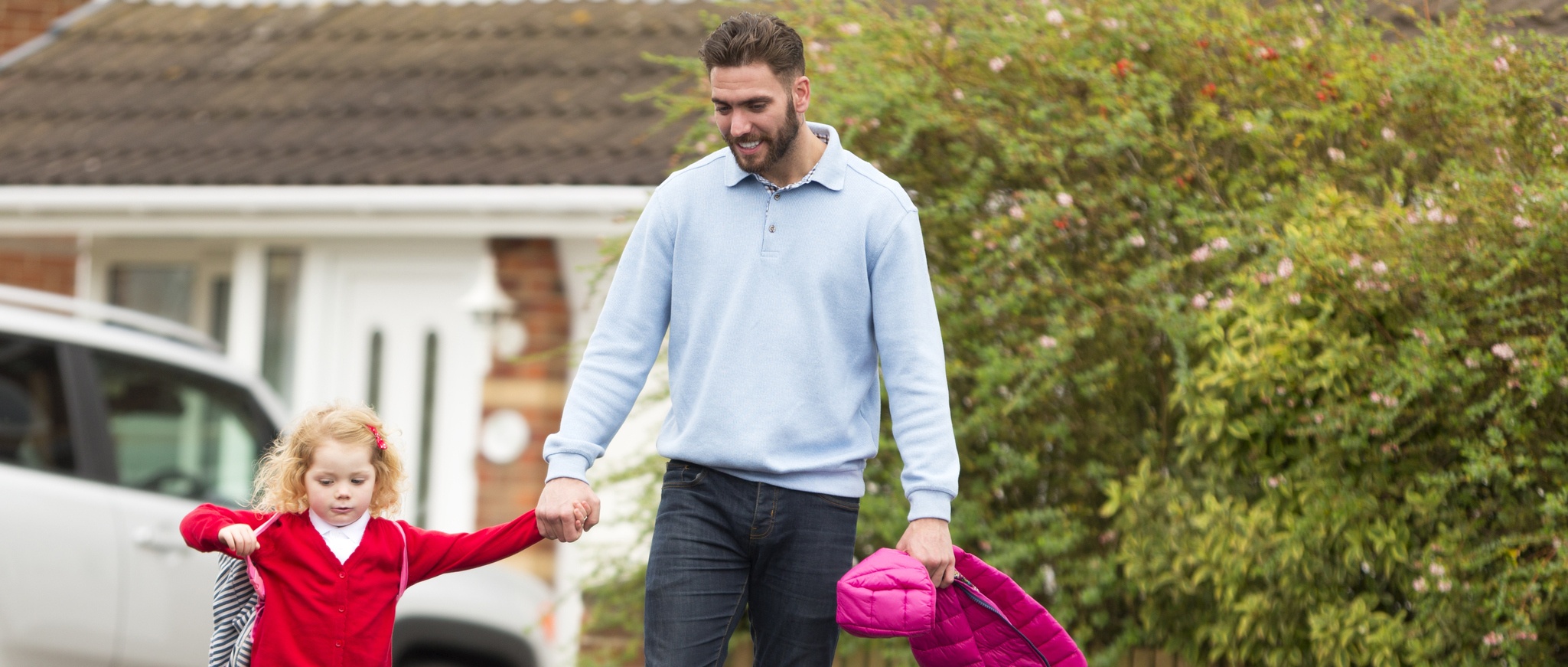
How to get your child the right support at school
Many pupils will need extra help or reassurance at times, particularly during their first term somewhere new. And some may require additional emotional or physical support to help them flourish in the school environment.
by Gillian Harvey
Healthy living
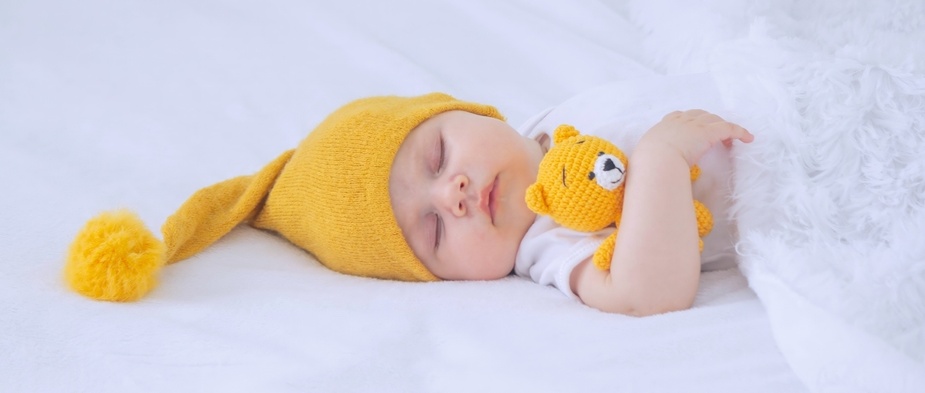
8-Week Healthy Baby Course
We're excited to launch our new 8-Week Healthy Baby Course. Each week we focus on key topics such as sleep, bonding with your baby, breastfeeding, teething, and weaning. Join us for practical advice and useful tips to help support the health and wellbeing of both you and your baby.
by Lynn Stephen
About the authorView full bio
Authored by

Kerry Taylor-Smith
Freelance journalist
BSc (Hons) Natural Sciences
Kerry has been a freelance writer, editor and proofreader since 2016; she specialises in science and health-related topics.
About the reviewerView full bio

Dr Sarah Jarvis
Clinical Consultant
MA (Cantab), BM, BCh (Oxon), DRCOG, FRCGP, MBE
After training in medicine at Cambridge and Oxford, Dr Sarah Jarvis MBE became a GP.
Article history
Article also available in English, German, Spanish, French, Italian, Portuguese, Hindi, Hebrew, Arabic, and Swedish.
1 Sept 2019 | Originally published
Authored by:
Kerry Taylor-SmithPeer reviewed by
Dr Sarah Jarvis
Join the conversation
Share your thoughts or experiences with others in our patient communities.

Ask, share, connect.
Browse discussions, ask questions, and share experiences across hundreds of health topics.

Feeling unwell?
Assess your symptoms online for free
Sign up to the Patient newsletter
Your weekly dose of clear, trustworthy health advice - written to help you feel informed, confident and in control.
By subscribing you accept our Privacy Policy. You can unsubscribe at any time. We never sell your data.