Natural remedies to help prevent water retention
Peer reviewed by Dr Colin Tidy, MRCGPAuthored by Victoria RawOriginally published 16 Jul 2025
Meets Patient’s editorial guidelines
- DownloadDownload
- Share
- Language
- Discussion
- Audio Version
- Add to preferred sources on Google
Water retention can happen for several reasons. Though some people are more susceptible to it, anyone can experience this condition - no matter your age or gender. We examine the common signs of water retention, its causes, and ways to help prevent it.
What is water retention?
Water retention - also called oedema - is when your body holds in too much fluid. This can lead to swelling and puffiness in certain areas such as your legs, ankles, hands and feet.
Dr Po-Chang Hsu, Alpas Wellness, Greater Boston, USA explains that your body regulates fluid balance through your kidneys, circulatory system, and hormones such as aldosterone and antidiuretic hormone (ADH).
"When this balance is disrupted - due to diet, lifestyle, or underlying health conditions - fluid may accumulate where it should not," he says.
According to Hsu there are different types of water retention.
These include:
Generalised oedema - this affects the entire body and is often linked to medical conditions such as kidney or liver disease.
Localised oedema - this is found in specific areas, such as the legs or hands, often due to injury, inflammation, or prolonged standing.
Symptoms of water retention include:
Puffiness.
Stretched or shiny skin.
Skin that temporarily holds a dimple when pressed (pitting oedema).
What causes water retention?
Water retention can be due to variety of common causes.
These may include:
Dietary habits.
Hormonal fluctuations.
Medical conditions.
Lifestyle factors.
Hsu outlines how each of these causes affects your body:
Dietary choices - a high-sodium diet causes the body to retain more water to balance out the extra salt.
Hormonal changes - fluctuations in hormones during pregnancy, menstruation, or menopause can lead to temporary water retention.
Lifestyle factors - lack of physical activity, prolonged sitting or standing, and dehydration can contribute to fluid build-up.
Underlying health conditions - heart failure, kidney disease, and liver issues impair the body’s ability to regulate fluids.
Medicines - Non-steroidal anti-inflammatory drugs (NSAIDs), steroids, and certain blood pressure medicines can cause water retention as a side effect.
Catherine Gervacio, registered nutritionist-dietitian and certified exercise coach says some birth control medicines can also trigger water retention.
If your water retention is due to an underlying medical condition, your doctor may prescribe 'water pills' to help you pee more (diuretics). These stimulate your kidneys to remove excess fluid from your body.
Natural solutions for water retention
Hsu advises, however, that the best way to prevent and manage water retention is to live a healthy lifestyle. There are various actions you can take.
Stay active
Incorporating exercise into your daily routine - even if it's walking or gentle stretching - improves your circulation and prevents fluid from building up in your body.
"Movement keeps your blood and lymphatic systems working correctly," says Hsu.
Gervacio suggests that if your oedema makes movement difficult, consider engaging in low-impact exercises such as swimming or yoga.
Change your diet
Reducing your intake of processed foods and salt can help your body shed excess water.
Gervacio recommends you avoid heavily processed foods such as canned soups, frozen meals, chips, and fast food.
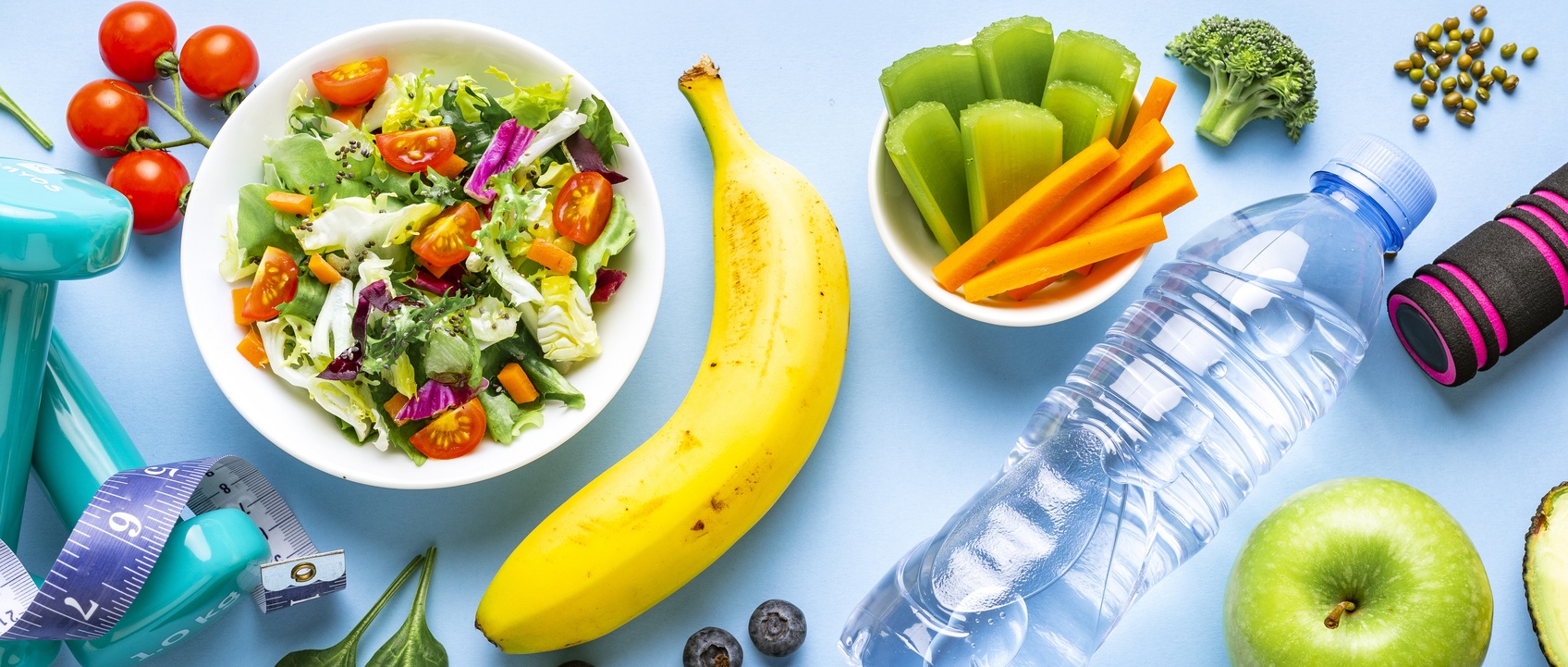
"Season your meals with herbs, spices, lemon juice, or garlic instead of salt," she suggests. "Cut back on salty snacks and eat potassium-rich foods - such as bananas, spinach, and sweet potatoes - to balance sodium levels, and add natural diuretics such as cucumber, watermelon, and parsley to your diet."
Gervacio also advises you to drink at least 8-10 cups of water a day - more if you are active - as this helps flush out excess sodium and reduce swelling in your body.
Limit certain drinks
Sugary drinks can lead to water retention by causing your body to hold on to excess fluids. For this reason, it's best to avoid beverages such as sweetened drinks and fruit juices.
Alcohol dehydrates your body. In response, your body may retain fluids to compensate for this loss.
Elevate swollen areas
Raising your legs above heart level helps reduce swelling by improving circulation. This encourages fluid movement out of your lower body.
Hsu says: "Take breaks to move around if you're sitting or standing for long periods. Compression garments such as compression socks can improve circulation, especially during travel."
Manage stress
Gervacio explains that long-term (chronic) stress through the release of cortisol - your body's stress hormone - could also lead to water retention.
Incorporating relaxation techniques into your daily routine - such as yoga, meditation, or deep breathing - can benefit both your mind and body.
When should you see a doctor about water retention?
If your swelling doesn't improve, comes on suddenly, is painful or severe, book an appointment with your doctor.
Hsu and Gervacio say this is especially crucial and you should seek immediate medical help if your symptoms are accompanied by the following:
Shortness of breath.
Chest pain.
Difficulty breathing.
Pain.
Redness.
Warmth in the swollen area.
Fever.
These additional signs could indicate something serious such as heart failure or a blood clot.
Hsu says: "Water retention can be uncomfortable, but you can manage or even prevent it with the proper steps - such as dietary changes, staying active, and addressing underlying medical issues.
"However, if symptoms persist or worsen, seek professional advice. A doctor can help identify the root cause and provide the most effective treatment for your situation."
Patient picks for Swelling
Signs and symptoms
When should you worry about swollen legs?
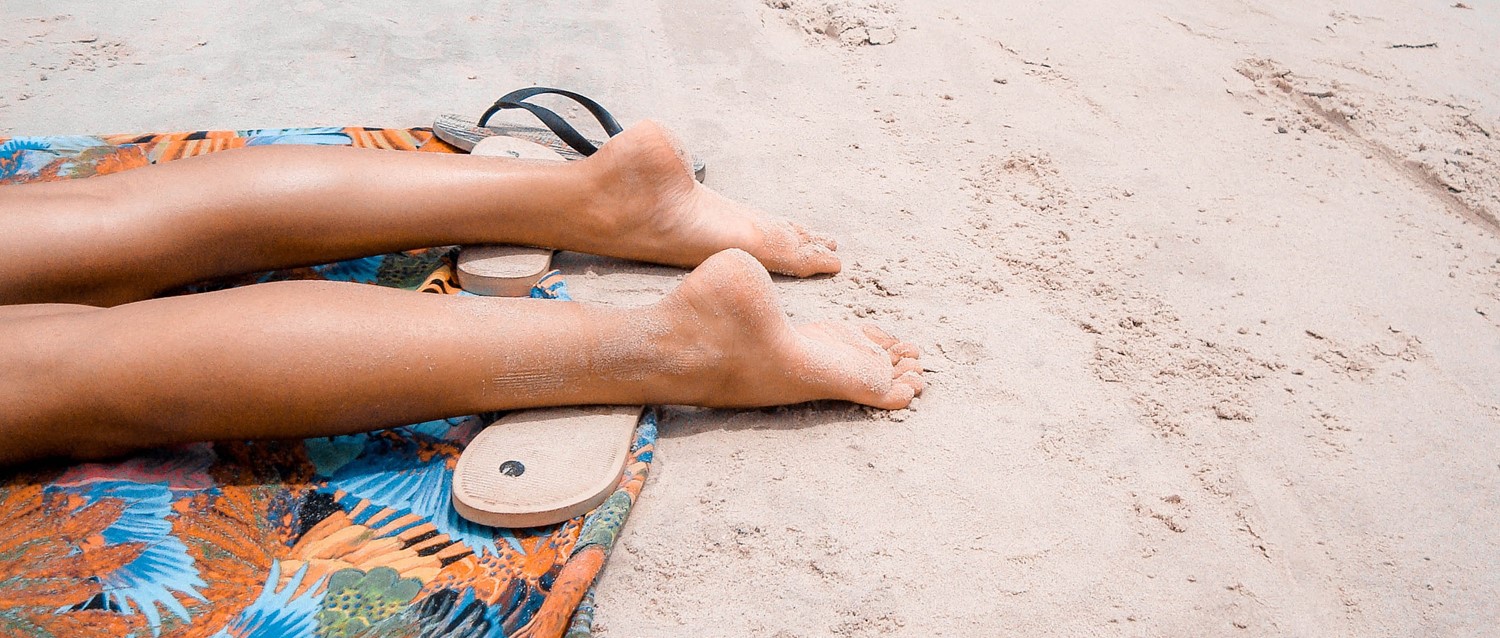
Swollen ankles? Your doctor has a tricky-to-spell word that means the same thing. Oedema is the medical word for any swelling caused by excess fluid under the skin.
by Victoria Raw

Signs and symptoms
Water retention causes, symptoms, and treatments
You've probably read that the human body contains around 70% water, and we all know that drinking enough of the good stuff is great for our health. But if your body is retaining excess water or fluid, it can result in uncomfortable symptoms and may be a sign of an underlying medical condition.
by Gillian Harvey
About the authorView full bio
Authored by

Victoria Raw
Feature Writer
BA (Hons), English Literature
Victoria is a content writer at Patient, with special interests spanning mental wellbeing, societal trends and the impact of technology on our health.
About the reviewerView full bio

Dr Colin Tidy, MRCGP
General Practitioner, Medical Author
MBBS, MRCGP, MRCP (Paediatrics), DCH
Dr Colin Tidy is an NHS Doctor, based in Oxfordshire.
Article history
Article also available in English, German, Spanish, French, Italian, Portuguese, Hindi, Hebrew, Arabic, and Swedish.
Next review due: 17 Jul 2028
16 Jul 2025 | Originally published
Authored by:
Victoria RawPeer reviewed by
Dr Colin Tidy, MRCGP
Join the conversation
Share your thoughts or experiences with others in our patient communities.

Ask, share, connect.
Browse discussions, ask questions, and share experiences across hundreds of health topics.

Feeling unwell?
Assess your symptoms online for free
Sign up to the Patient newsletter
Your weekly dose of clear, trustworthy health advice - written to help you feel informed, confident and in control.
By subscribing you accept our Privacy Policy. You can unsubscribe at any time. We never sell your data.