
How to brush and care for your child's teeth
Peer reviewed by Dr Krishna Vakharia, MRCGPAuthored by Lydia SmithOriginally published 30 Aug 2023
Meets Patient’s editorial guidelines
- DownloadDownload
- Share
- Language
- Discussion
- Audio Version
- Add to preferred sources on Google
Looking after your children’s teeth is essential for their health. Not only does good oral hygiene prevent tooth decay and keep bacteria under control, a healthy mouth can help to ward off health problems in the future too. So how can you look after your kids’ teeth - and what can you do to encourage a good oral hygiene routine?
Why looking after your child’s teeth is important
We need our teeth to be able to chew food and eat, but there are many other reasons why looking after your children’s teeth is important.
Our mouths are full of bacteria, which when not kept under control, can lead to tooth decay, gum disease and oral infections. Your mouth is also the entry point to your digestive and respiratory tracts - so bacteria has the potential to cause other problems too. Very rarely it can go to your heart and cause infective endocarditis.
Brushing your child’s teeth and encouraging them to look after their teeth as they get older can keep bacteria under control. Getting your child in the habit of good oral care can also help to prevent health problems in adulthood too, including heart disease1.
Karen Coates, a registered dental nurse and content specialist for the Oral Health Foundation: “Tooth brushing should be part of a child's personal hygiene routine, just like washing their hands, face, and hair and having a bath.”
Your baby or toddler might not like brushing their teeth to begin with, but there are ways to encourage them. Getting them used to it will help it become part of their routine as they get older.
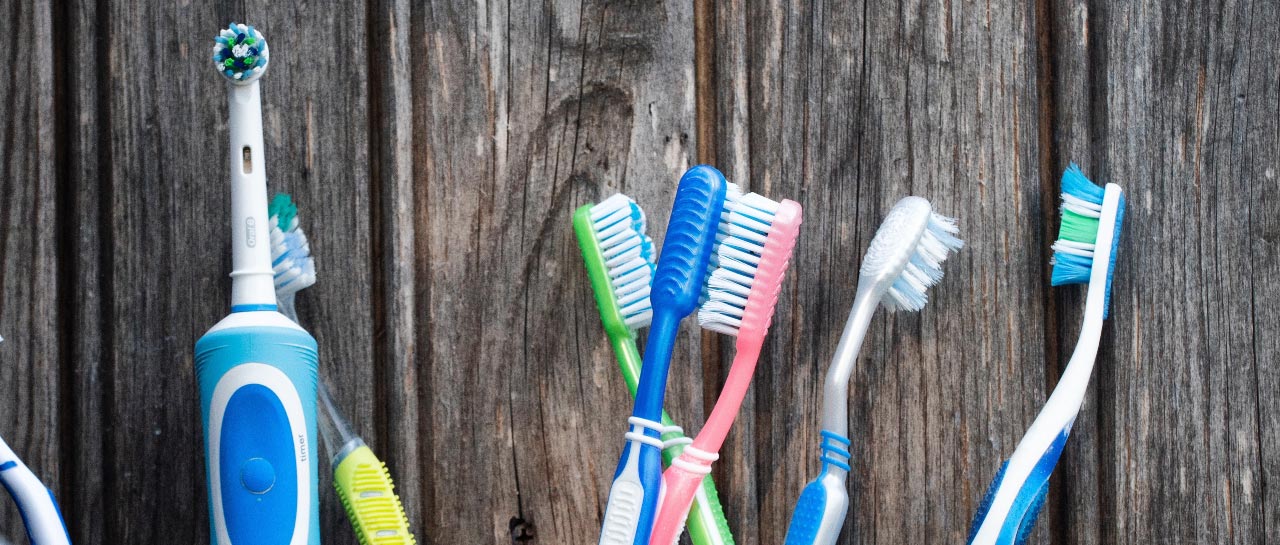
“There are lots of toothbrushes available for children, bright colours, colour-change ones, favourite character brushes too,” says Coates. “Letting your child choose their own toothbrush will often help to encourage them to brush. Remember, praise and encouragement will often get results.”
Children under 3
You should start brushing your baby's teeth as soon as they get their first tooth. This is usually around six months, but can be earlier or later. You should brush your child’s teeth for two minutes with a smear of fluoride toothpaste twice a day - last thing at night and once during the day.
Although you should brush their teeth for them, you can give them a toothbrush to chew on to get them used to the texture of it. The toothpaste should contain at least 1,000 ppm of fluoride - the label should tell you how much it contains - unless a dentist advises otherwise.
“When your child is a baby or toddler, the best way to clean their teeth is to sit them on your knee, facing away from you,” advises Coates. “Cradle their chin in your hand so that you can reach the upper and lower teeth easily.”
Coates says to use small, circular motions to clean all the surfaces of the teeth whether they are a baby or a small child.
“Don’t forget to clean the gums and behind the teeth,” she says. “You should not let your child swallow the toothpaste. Instead, they should spit out the excess. Do not let them rinse out their mouth, as this will wash all the fluoride off the teeth.”
Children aged 3 to 6 years
You should continue brushing your child’s teeth between the ages of 3 and 6, but they can have a go themselves if you’re watching them. Brushing should happen twice daily for two minutes, at the start of the day and before bed.
“As they grow older, you can let them have a go at brushing their own teeth, after you have finished. You should supervise brushing until the age of 7 years old,” says Coates. “Once they are over 3 years old, they should use a pea-sized smear of toothpaste that contains between 1350 to 1500 ppm of fluoride.”
Make sure they spit out the toothpaste - and avoid swallowing it - but don’t rinse it. Rinsing the mouth means the fluoride won’t work as well.
Children aged 7 and over
“Children aged 7 and over should be able to brush their own teeth, but it's still a good idea to watch them to make sure they brush properly and for about 2 minutes,” says Coates.
You should make sure they brush twice daily with fluoride toothpaste and avoid rinsing after spitting out the excess.
How to find a dentist
Taking your child to the dentist regularly will help keep their mouth, teeth and gums healthy. Currently, it is recommended that children go for a check-up once a year. When your child is born, it’s a good idea to find a local dental practice that offers NHS services - there will likely be a waiting list. You'll need to register your child before making any appointments.
Many people are having trouble finding a dentist. More than two-thirds of children (70%) in England did not see an NHS dentist in the 12 months to December 20202. You can either join a waiting list, look for a different dentist who is taking on NHS patients, or be seen privately. You have to pay more for private dentistry but how much depends on the practice. It's important to visit the dentist as often as you can to prevent your child from getting tooth decay.
Further reading
Patient picks for Dental care

Oral and dental care
The best snacks for healthy teeth
Our teeth are an important part of our looks as well as being essential for chomping our food. Yet, while most of us are dismayed at the thought of fillings or tooth extractions, we can be quite cavalier when it comes to looking after our pearly whites. A survey for National Smile Month revealed that a quarter of adults (particularly men) don't brush their teeth twice a day, while three quarters never floss. However, Brits lead the way across Europe in visiting their dentist.
by Dr Carrie Ruxton, PhD, Child Nutrition
Oral and dental care
Warning signs you need to go to the dentist
If you experience a twinge in a tooth, dislodge a filling or notice a little blood when brushing, it might be time to make a dental appointment. But is it possible to distinguish between everyday aches and pains and something that needs treatment? And when is it time to request an emergency appointment?
by Gillian Harvey
About the authorView full bio
Authored by

Lydia Smith
Feature writer
BA, MA, MSc
Lydia Smith is an award-winning journalist and feature writer who has written extensively on women's health and mental health. She is currently studying for an MSc in psychology.
About the reviewerView full bio

Dr Krishna Vakharia, MRCGP
Chief Medical Officer for Health, Optum UK
MBChB, MRCGP(2013), BMedSci (hons), DFSRH, DRCOG, PGDipDerm (Distn)
Dr Krishna Vakharia is an NHS GP. She is also a regular examiner for the postgraduate Diploma in Practical Dermatology at Cardiff University as well as being the Chief Medical Officer for health at Optum UK.
Article history
Article also available in English, German, Spanish, French, Italian, Portuguese, Hindi, Hebrew, Arabic, and Swedish.
30 Aug 2023 | Originally published
Authored by:
Lydia SmithPeer reviewed by
Dr Krishna Vakharia, MRCGP
Join the conversation
Share your thoughts or experiences with others in our patient communities.

Ask, share, connect.
Browse discussions, ask questions, and share experiences across hundreds of health topics.

Feeling unwell?
Assess your symptoms online for free
Sign up to the Patient newsletter
Your weekly dose of clear, trustworthy health advice - written to help you feel informed, confident and in control.
By subscribing you accept our Privacy Policy. You can unsubscribe at any time. We never sell your data.