How to fall in love with exercise
Peer reviewed by Dr Krishna Vakharia, MRCGPLast updated by Victoria RawLast updated 21 Jan 2025
Meets Patient’s editorial guidelines
- DownloadDownload
- Share
- Language
- Discussion
- Audio Version
- Add to preferred sources on Google
Exercise boosts your self-esteem, mood, energy, and reduces your chances of heart disease, cancer and depression. It's not always as easy as lacing up your trainers and hitting the treadmill, though. If you're starting from scratch, working out can seem intimidating. So how can you fall in love with exercise?
How to start exercising
Until around four years ago, I was pretty much a fitness-phobe. As someone who was a little overweight and struggled with anxiety, the gym seemed like somewhere that just wasn't for me. Jogging was a no-no, considering I could barely run for a bus.
However, seeing the joy exercise brought family and friends, I decided enough was enough and attempted my first run to see if I couldn't fall in love with exercise too.
I found some old trainers in the wardrobe and pelted it down the road, before limping back home five minutes later. It was, frankly, awful - I felt embarrassed and ached for days.
Perseverance is key
Despite my rocky start, I tried the run again the next morning, and forced myself to go every day for the next few weeks. I began to notice small changes, like I could run a whole kilometre without stopping and gasping like a fish out of water.
Spurred on, I started exercising with a friend who was training to be a fitness instructor. I joined a gym and started trying different classes, with friends and colleagues in tow. Two years later, I crossed the finish line at the Brighton Half Marathon, limping, bleeding and swearing, but having raised hundreds for Women's Aid. I even do dance classes now, which I'm terrible at, but love.
Discover the benefits of exercise
There have been ups and downs - quite literally, when I fell on a pavement and injured my knee - but the benefits outweigh any challenges. I've lost some weight, and although it was never my main goal, this has boosted my confidence. Most importantly, I feel much more in control of my anxiety. It's still there, but on a bad day, I go outside for a quick jog or just a walk, and life feels more manageable.
Finding the right exercise for you is crucial
Starting to exercise is about trial and error. I'm not really one for team sports, as I've found out, but I enjoy running and classes. Finding something you like is crucial, because you're more likely to quit if you aren't doing something you enjoy.
Lucy Arnold, a personal trainer and owner of fitness wear brand Locket Love compares finding the right exercise for you to choosing the perfect partner.
"It's all about getting yourself out there and trying new things until you find your dream exercise," she says. "The general go-to I think for people starting to exercise is usually jogging and swimming, so they would be a good place to start."
Exercise in a group
People tend to enjoy and do more exercise if they do it with the support or a community behind them.
Lucy suggests: "Go out and find a friend or a group of people to get involved with for encouragement and you'll quickly find your feet with it."
Keith McNiven, a certified personal trainer based in London, UK says there are lots of different types of exercise - so you're certain to find one that suits you.
"If you like being outdoors, look for running groups or circuit training classes in the park," he advises. "If you like the idea of being indoors but not the busyness of a gym, then look for a quieter gym or studio space, or ask about peak gym times and plan your visits when things are quieter."
Exercises for flexibility
McNiven adds you should also think about what you want to achieve from the exercise.
"For increased flexibility try something like swimming, yoga or Pilates," he says. "Exercise can also be hobby-based, so if you like to dance make it into a form of exercise with Zumba."
Exercise classes
If you don't want to join a gym and pay for a membership, look for local fitness groups where you can pay per session. Libraries and town halls often advertise exercise classes such as Zumba or yoga, or you can try finding activities on social media too. You can also search for local fitness activities on the NHS website.
Make sure you exercise for your ability level
Likewise, exercising regularly doesn't always mean running marathons or sweating through a spin class.
McNiven says: "One of the best exercises that everyone can do is walking. It's free, it's low-impact and it's low-intensity. As your fitness improves, you can pick up your walking pace and maybe even add in some hand weights to get your arms working too."
Weight lifting
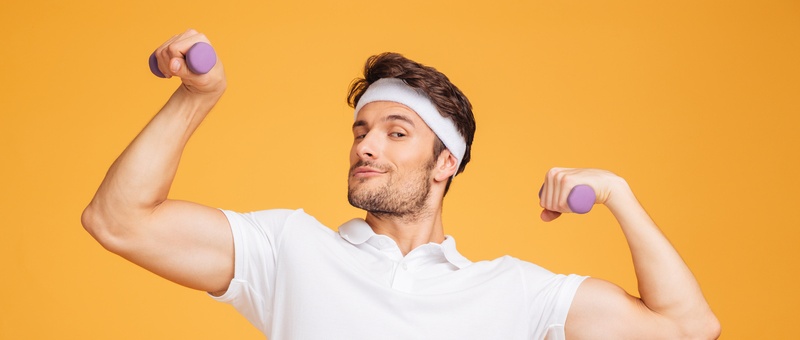
Although lifting weights can seem intimidating - particularly in a gym - they can be really beneficial.
McNiven explains that most people can benefit from exercising with weights through increased fat burning - as muscle burns calories more effectively than fat - increased strength and improved bone mineral density.
"If you haven't exercised with weights before, get some advice from a personal trainer (PT) or fitness instructor who can show you the correct form and technique," he says.
Aerobic exercise
Arnold adds that aerobic exercise can suit anyone.
"They are great for your heart, lungs and muscles and anyone can participate in line with their abilities and current level of fitness," she says.
A few examples include:
Swimming.
Cycling.
Team sports.
Brisk walking.
Athletics.
Exercise safely
It's easy to set off on your exercise journey and give it your all, but it's wise to tread carefully, too.
McNiven warns: "When you start on a fitness plan, your motivation levels are sky high and it's tempting to overdo things, exercising every day or signing up for advanced fitness classes. The downside here is that you will quickly run out of steam, and potentially pick up a few injuries to boot.
"Everyone has to start somewhere and it's best to take the slow and steady approach with two to three one-hour - or less in the initial stages - exercise sessions per week, depending on your personal circumstances and health."
Make sure you have rest days
Rest days, when your body recuperates from exercise, are also essential.
McNiven advises: "If you're attempting a fitness class, check the level and perhaps mention to the instructor if you're very new to exercise.
"Similarly, if you join a new gym or book some PT sessions, they'll be able to suggest a good starting programme for you, to help you to meet your fitness goals safely."
Make sure you know how to use the gym equipment properly
If you're at a gym, be certain you know the correct and safe way to use a piece of equipment.
Arnold adds that it's also important to ensure you've stretched and warmed up.
She says: "Stay hydrated and make sure your diet is complementary - for example, enough protein and vitamins - to recovery.
"A good rule of thumb is to listen to your body. It's going to tell you before anything else if you're doing something wrong. Take your time and feel out exercises - start small and build up with what you are comfortable with."
Patient picks for Exercise and physical activity
Healthy living
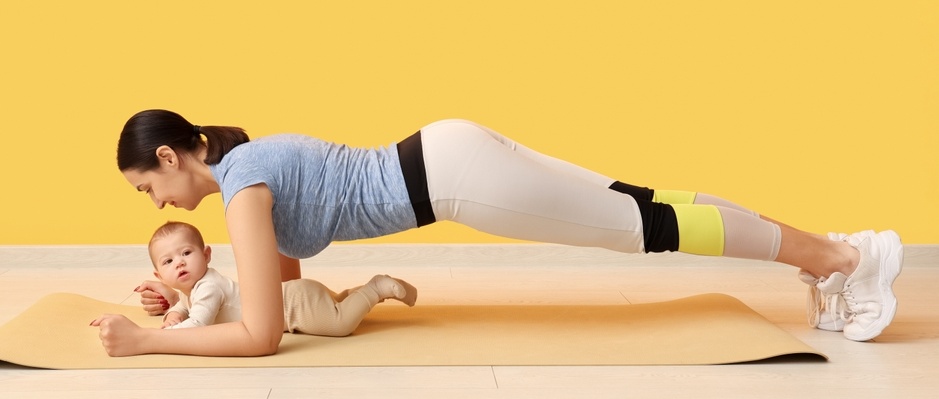
How to get back into exercise after having a baby
If you're pregnant, or recently gave birth, you might be wondering when you can start exercising again, particularly if you were previously a regular gym-goer. However, it's important that you venture back into exercise slowly and safely. It's also good to know the top safe postpartum exercises for your core and rebuilding strength.
by Lawrence Higgins

Healthy living
Thinking of trying wild swimming? Read this first
Wild swimming, put simply, is swimming in natural water rather than in a pool or controlled environment such as your local baths. While it can be a great way to exercise, unwind, and spend time in nature, it also comes with a few extra drawbacks. That's especially true in the UK, where the weather can be unpredictable, and water temperatures often stay surprisingly cold, even during the summer.
by Victoria Raw
About the authorView full bio

Lydia Smith
Feature writer
BA, MA, MSc
Lydia Smith is an award-winning journalist and feature writer who has written extensively on women's health and mental health. She is currently studying for an MSc in psychology.
About the reviewerView full bio

Dr Krishna Vakharia, MRCGP
Chief Medical Officer for Health, Optum UK
MBChB, MRCGP(2013), BMedSci (hons), DFSRH, DRCOG, PGDipDerm (Distn)
Dr Krishna Vakharia is an NHS GP. She is also a regular examiner for the postgraduate Diploma in Practical Dermatology at Cardiff University as well as being the Chief Medical Officer for health at Optum UK.
Article history
Article also available in English, German, Spanish, French, Italian, Portuguese, Hindi, Hebrew, Arabic, and Swedish.
Next review due: 21 Jan 2028
21 Jan 2025 | Latest version
8 Feb 2019 | Originally published
Authored by:
Lydia Smith
Join the conversation
Share your thoughts or experiences with others in our patient communities.

Ask, share, connect.
Browse discussions, ask questions, and share experiences across hundreds of health topics.

Feeling unwell?
Assess your symptoms online for free
Sign up to the Patient newsletter
Your weekly dose of clear, trustworthy health advice - written to help you feel informed, confident and in control.
By subscribing you accept our Privacy Policy. You can unsubscribe at any time. We never sell your data.
More in healthy living
- Are e-cigarettes a safe way to quit smoking?
- Could your 'morning dread' be a sign of perimenopause?
- Does eating spicy food help you lose weight?
- Does smoking affect your sex life?
- Gene discovery may explain why some people cope on little sleep
- How gut bacteria affect mood, focus and brain health
- How many children should you have?
- How to have great sex in later life
- How to lower your BMI and lose weight healthily
- How to quit smoking without gaining weight
- How to spot the warning signs of domestic abuse
- How to talk to your child about their weight
- How to work out in a heatwave
- Is running bad for your knees?
- New campaign helps people with chronic conditions get active
- One in five hospital patients have a problem with alcohol
- Should you 'come out' to your doctor?
- What does it mean to be intersex?
- UpdatedWhat is Reformer Pilates and why is it so popular?
- Why going bald can seriously affect your mental health