Comment la race affecte-t-elle les soins de la ménopause ?
Revu par Dr Krishna Vakharia, MRCGPRédigé par Ellie BroughtonPublié à l'origine 5 mai 2023
Respecte les directives éditoriales
- TéléchargerTélécharger
- Partager
- Language
- Discussion
- Version audio
- Ajouter aux sources préférées sur Google
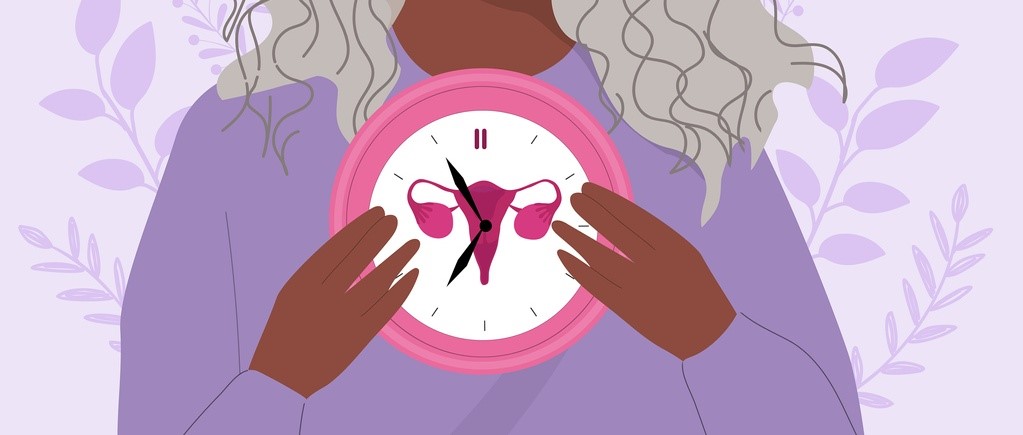
Votre expérience de la ménopause pourrait être influencée par votre origine ethnique, selon des recherches récentes. Nous explorons la relation entre la ménopause et la race, ainsi que la façon dont les préjugés raciaux peuvent affecter l'expérience des soins d'une personne.
Explore support for menopause symptoms
Get expert healthcare advice from the comfort of home. Complete a quick online consultation, available 24/7, with your request reviewed by a UK-registered clinician. Next day delivery available on eligible treatments.

How racial bias affects menopause care
In February 2022, a US study found that Black women had their final menstrual period more than eight months earlier than white women, on average1. The study also reported that Black women were twice as likely as white women to have had their womb or ovaries removed, and therefore were half as likely to experience natural menopause - 30%, compared with 15%.
These differences can have a big impact on someone's health and wellbeing. For example, the younger you are when you start menopause, the higher your risk of cardiovascular disease and death.
Racial bias and HRT
Au Royaume-Uni, alors que les preuves s'accumulent pour thérapie de remplacement hormonal (TRH) - considéré comme le traitement le plus efficace pour les symptômes de la ménopause - plusieurs changements sont prévus pour faciliter et rendre moins coûteux l'accès des femmes au traitement.
However, experts have raised concerns that Black, Asian and minority ethnic women may be left behind. There are known to be historic racial divides in the use of HRT in the Global North that persist today - a 2023 UK study found that doctors were significantly more likely to prescribe HRT for white women than for other ethnicities2.
But given the impact that menopause can have on a woman's quality of life - not to mention the struggles that many women face having their symptoms recognised and addressed - doctors and the media have a role to play in bringing all women up to date on the symptoms they might expect at midlife, and the evidence for HRT's benefits and risks. This includes how HRT may increase your risk of breast cancer, and how it could reduce your chances of osteoporosis.
De-stigmatising menopause
Dr Shahzadi Harper est spécialiste de la ménopause et l'auteur de The Perimenopause Solution. She warns that misconceptions and misunderstanding around menopause particularly affect women's attitudes to HRT.
"Women may not know that there are newer, better forms of HRT available nowadays, which are body identical and transdermal - meaning they can go through the skin ," she explains.
Concerns about the relationship between HRT and cancer risk may still be putting women off, she adds, potentially leaving them exposed to bigger risks to their health. It's now thought that starting HRT early in menopause could reduce your risk of heart disease3 - une condition qui tue deux fois plus de femmes que le cancer du sein4.
Dr Harper says that, although menopause is becoming less of a taboo in some cultures, for many communities it's still an unwelcome topic. For example, Chinese American and Korean American women are generally more reluctant to discuss their sex-related symptoms than Filipino Americans and many non-Asian communities5.
"I think there is a cultural stigma about it, because menopause, in many cultures, may be seen negatively - sadly there's a notion that, because a woman is no longer fertile, she's no longer useful," she says.
Une façon de lutter contre la stigmatisation, suggère le Dr Harper, est de déplacer l'attention des symptômes de santé sexuelle, tels que sècheresse vaginale, vers d'autres symptômes négligés, tels que cystite ou le muguet.
"Menopause is nothing to be ashamed or frightened of," she says. "Getting help and advice doesn't always have to mean HRT - it's just about getting a better understanding of menopause and knowing how to improve what you're already doing.
"The more that we speak about it, the better. It just takes one or two to get that ball rolling."
One paper on menopause and Asian American women found that these women experienced different symptoms, depending on what sub-ethnic group they belonged to5. It concluded that these experiences are highly influenced by cultural attitudes towards symptoms.
This led to greater differences between Filipino Americans and Chinese and Korean Americans - the former reporting more positive attitudes alongside milder symptoms.
How bias affects women
Outside of clinical research, women themselves are clear on their experience of discrimination. A 2022 survey by the Fawcett Society found that 45% of Black and minoritised respondents said it took many appointments with their GP to establish that symptoms were menopausal, while only 30% of white women reported the same6.
In 2022, unions also warned MPs that Black and ethnic minority women could face additional difficulties with menopause at work where there was existing racial discrimination.
Pour aider à lutter contre les préjugés raciaux liés à la ménopause - et pour rendre les informations utiles plus accessibles à un public plus large - le Dr Harper organise un événement hebdomadaire 'Heure de Pouvoir' sur son Instagram, where she answers questions about menopause in the hope that it empowers and supports women trying to navigate menopause.
Dr Harper's not the only prominent woman of colour offering support and information about coping with perimenopausal changes:
Dr Nighat Arif - est un médecin généraliste du NHS et privé qui se spécialise dans la ménopause, en particulier sur les préjugés auxquels les femmes peuvent être confrontées lorsqu'elles cherchent de l'aide.
Nina Kuypers - co-fondé Black Women in Menopause, an events series and private online group for Black women going through perimenopause.
Lavina Mehta MBE - est un entraîneur personnel et mécène de Menopause Mandate, a not-for-profit pushing for greater support for women in perimenopause.
Karen Arthur - a également largement parlé de la ménopause, y compris en apparaissant devant le Comité des femmes et des égalités. Elle recherche actuellement des participants pour une enquête dans le cadre de nouvelles recherches sur la connaissance publique et l'attitude envers le THS et d'autres traitements de la ménopause.
Meera Bhogal - propose un entraînement personnel et un soutien nutritionnel pour les femmes après avoir lutté avec sa propre périménopause.
These experts are helping Black and ethnic minority women get better representation in menopause care - they call for MPs, medical schools and the media to listen, learn, and take action.
Pour en savoir plus
Harlow et al: Disparities in reproductive aging and midlife health between Black and white women: the Study of Women’s Health Across the Nation (SWAN).
iNouvelles : Ethnic minority women in England far less likely to get menopause treatment, data shows.
Im et al: Sub-ethnic differences in the menopausal symptom experience: Asian American midlife women.
Fawcett Society: Landmark study: menopausal women let down by employers and healthcare providers.
Explore support for menopause symptoms
Get expert healthcare advice from the comfort of home. Complete a quick online consultation, available 24/7, with your request reviewed by a UK-registered clinician. Next day delivery available on eligible treatments.
Sélections des patients pour Ménopause et THS
Hormones
Votre 'angoisse matinale' pourrait-elle être un signe de périménopause ?
Si vous traversez la périménopause, vous connaissez peut-être la vague soudaine de peur ou d'anxiété qui peut frapper le plus fort dès le matin. Nous explorons pourquoi cela se produit, combien de temps cela peut durer, et quand il pourrait être temps de consulter votre médecin.
par Victoria Raw
Hormones
Quel est le lien entre la ménopause et le cholestérol ?
Après la ménopause, vous avez un risque accru de maladies cardiaques (cardiovasculaires), qui sont la principale cause de décès chez les femmes. Votre taux de cholestérol joue un rôle important à cet égard, c'est pourquoi il est important de participer à vos bilans de santé NHS.
par Dr Sarah Jarvis
À propos de l'auteur
Rédigé par

Ellie Broughton
À propos du critiqueVoir la biographie complète

Dr Krishna Vakharia, MRCGP
Médecin-chef pour la santé, Optum UK
MBChB, MRCGP(2013), BMedSci (hons), DFSRH, DRCOG, PGDipDerm (Distn)
Le Dr Krishna Vakharia est un médecin généraliste du NHS. Elle est également examinatrice régulière pour le diplôme de troisième cycle en dermatologie pratique à l'Université de Cardiff, ainsi que médecin-chef pour la santé chez Optum UK.
Historique de l'article
Article également disponible en Anglais, Allemand, Espagnol, Français, Italien, Portugais, Hindi, Hébreu, Arabe, and Suédois.
5 mai 2023 | Publié à l'origine
Écrit par :
Ellie Broughton
Revu par
Dr Krishna Vakharia, MRCGP
Participez à la conversation
Partagez vos pensées ou expériences avec les autres dans notre communautés de patients.

Demandez, partagez, connectez-vous.
Parcourez les discussions, posez des questions et partagez vos expériences sur des centaines de sujets de santé.

Vous ne vous sentez pas bien ?
Évaluez vos symptômes en ligne gratuitement
Inscrivez-vous à la newsletter Patient
Votre dose hebdomadaire de conseils de santé clairs et fiables - rédigés pour vous aider à vous sentir informé, confiant et maître de la situation.
En vous abonnant, vous acceptez notre Politique de confidentialité. Vous pouvez vous désabonner à tout moment. Nous ne vendons jamais vos données.