Cystite chez les femmes
Revu par Dr Colin Tidy, MRCGPDernière mise à jour par Dr Hayley Willacy, FRCGP Dernière mise à jour 15 juin 2023
Respecte les directives éditoriales
- TéléchargerTélécharger
- Partager
- Language
- Discussion
- Version audio
- Ajouter aux sources préférées sur Google
Dans cette série :Symptômes des voies urinaires inférieures chez les femmesCystite récurrente chez les femmesIncontinence par impériositéSyndrome de la vessie hyperactiveIncontinence urinaire d'effortMédicaments pour l'urgence urinaire et l'incontinence
A urine infection in the bladder (cystitis), also known as a urinary tract infection (UTI), is common in women. A short course of medicines called antibiotics is the usual treatment.
En un coup d'œil
Cystitis is inflammation of the bladder, usually from a bacterial infection.
Common symptoms include urgent and frequent urination, and a burning feeling when you pass urine.
Women are more likely to get cystitis due to their anatomy.
Treatment often involves a short course of antibiotics.
Mild cases may clear up on their own, but antibiotics are usually needed for pregnant women.
See a doctor if symptoms worsen, you get a fever, or they don't improve with treatment.
Qu'est-ce que la cystite ?
Cystitis means inflammation of the bladder. It is usually caused by a bacterial bladder infection in the urine which responds well to a short course of medicines called antibiotics. Occasionally it may improve without the need for antibiotics. Cystitis clears quickly without complications in most people.
Cystitis symptoms
Cystitis can cause various symptoms. The main ones are:
Needing to pass urine urgently
The urgent feeling to pass urine can be very severe but may not disappear after having passed urine. This is called strangury.
Needing to pass urine frequently
Often only small amounts may be passed.
Burning or stinging feeling when you urinate
Women sometimes describe this as feeling like they are 'peeing broken glass'.
Autres symptômes
Blood in your urine.
Discomfort in your lower tummy (abdomen) or pelvic area.
Feeling generally unwell and tired.
You can read more about urinary symptoms in the separate leaflet called Lower Urinary Tract Symptoms in Women (LUTS).
Qu'est-ce que la cystite ?
Qu'est-ce qui cause la cystite ?
Qu'est-ce qui cause la cystite ?
Women are much more likely than men to have cystitis, as the tube that urine from a woman's bladder (the urethra) is shorter and opens much nearer to the back passage (anus).
About half of women have at least one bout of cystitis in their lives. One in three women will have had cystitis by the age of 24. About 4 out of 100 pregnant women develop cystitis.
Apart from being female, other things that make cystitis more likely include:
Being pregnant.
Being sexually active.
Using spermicide with contraception.
Having had the ménopause. The changes in the tissues of the vagina and urethra after menopause make it harder for them to defend against infection.
Avoir diabète sucré.
Having a catheter in your bladder.
Having abnormalities in your kidneys, bladder or urinary system.
Having an immune system which is not working well (for example, due to SIDA or medication which suppresses the immune system).
Can I be sure it is cystitis?
Quels sont les symptômes de la cystite ?
Some conditions cause symptoms that may be mistaken for cystitis - for example, la mycose vaginale ou herpès génital. Also soaps, deodorants, bubble baths, etc, may irritate your genital area and cause mild pain when you pass urine.
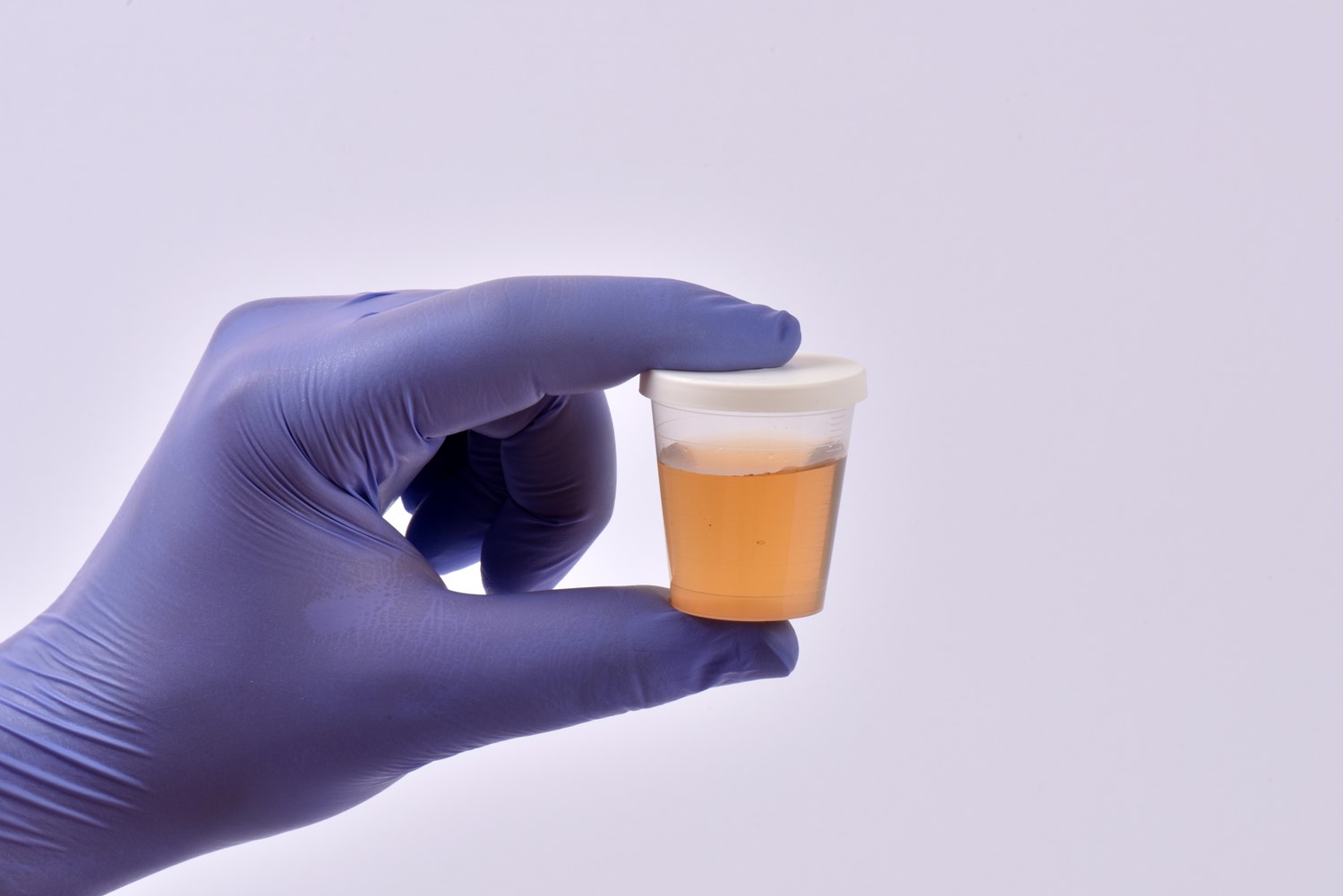
Your doctor or nurse may do a simple dipstick test on a urine sample to check for cystitis. This can detect changes in the urine that may indicate an infection. It is fairly reliable and usually no further test is needed.
If the infection does not improve with treatment, or improves but then returns quickly, you will be asked to do a midstream specimen of urine (MSU). This is then sent to the laboratory to confirm the diagnosis and to find out which germ (bacterium) is causing the infection.
Cystitis treatment
Les options de traitement incluent les suivantes :
Antibiotic medication
A three-day course of an antibiotic (either triméthoprime ou nitrofurantoïne) is a common treatment for most women. Symptoms usually improve within a day or so after starting treatment.
Sometimes you may be offered a delayed prescription for antibiotics if your symptoms are mild. You then need only pick up the prescription if your symptoms worsen, or do not improve, over the following few days.
Pas de traitement
Not taking any treatment may be an option if symptoms are very mild (and if you are not pregnant or if you have no other illnesses). Your immune system can often clear the infection.
Without antibiotics, cystitis (particularly mild cases) may go away on its own in a few days and with the help of some home remedies. However, symptoms can sometimes last for a week or so if you do not take antibiotics.
Paracetamol or ibuprofen
These ease pain or discomfort.
La cystite peut-elle évoluer en infection rénale ?
If your symptoms worsen or you develop a fever or pain in your loin you should see your doctor. You should also see your doctor if your symptoms do not improve by the end of taking the course of antibiotics or if they come back within two weeks of the course finishing.
Remarque: if you are pregnant or have certain other medical conditions, you should always be treated with antibiotics to prevent possible complications.
How to prevent cystitis
Simple steps that may help to prevent cystitis include wipe from front to back after going to the toilet, making sure you empty your bladder before and after sex and staying hydrated.
Quel est le pronostic ?
The vast majority of women improve within a few days of developing cystitis. However, if your symptoms still do not improve after you have been taking antibiotics then you may need an alternative antibiotic. Some germs (bacteria) causing cystitis can be resistant to some types of antibiotics. Also if blood has been found in your urine you may be asked to provide another sample for testing.
If you develop long-term, recurrent bouts of cystitis you should see your doctor. You can learn more about recurrent cystitis and how to prevent it in the separate leaflet called Recurrent Cystitis in Women.
À quelle fréquence la cystite récidivante se produit-elle ?
Sélections des patients pour Problèmes urinaires chez les femmes
Santé des femmes
Cystite récurrente chez les femmes
Some women have recurring bouts of cystitis, sometimes defined as two proven infections within six months, or three infections in a year.
par Dr Toni Hazell, FRCGP

Santé des femmes
Symptômes des voies urinaires inférieures chez les femmes
Lower urinary tract symptoms (LUTS) are common in women of all ages, especially between the ages of 40-60. For many women, the symptoms come and go. But for some women, the symptoms are ongoing and interfere with normal life. The symptoms may include wetting yourself (incontinence), needing to pass urine frequently, or discomfort passing urine. These and other symptoms can result in poor quality of life. Many women never tell anyone about their symptoms. Your doctor may recommend tests to look for an underlying cause. Referral to a specialist is not usually needed. Often, no specific underlying cause is found. Treatment may help to relieve symptoms.
par Dr Rachel Hudson, MRCGP
Questions fréquemment posées
What is strangury?
Strangury is the term used to describe the urgent and severe feeling to pass urine, which may not go away even after you have already passed urine. It is a common symptom of cystitis.
Why are women more prone to cystitis than men?
Women are more likely to get cystitis because their urethra, the tube that carries urine from the bladder, is shorter than a man's. It also opens closer to the anus, which makes it easier for bacteria to enter the bladder and cause an infection.
What happens if cystitis doesn't improve with antibiotics?
If your symptoms don't get better after taking antibiotics, or if they return quickly, your doctor or nurse may ask for a midstream urine sample to be sent to a lab. This helps to confirm the diagnosis and find out which specific germ is causing the infection, as some bacteria can be resistant to certain antibiotics. You may need to try an alternative antibiotic.
What are the common antibiotics prescribed for cystitis?
A common treatment for most women is a three-day course of antibiotics, typically either trimethoprim or nitrofurantoin. Symptoms usually start to improve within a day or so after beginning treatment.
When should I seek medical attention for cystitis symptoms?
You should see your doctor if your symptoms worsen, or if you develop a fever or pain in your loin (the area on your back between your ribs and hips). It's also important to see a doctor if your symptoms don't improve by the end of your antibiotic course, or if they return within two weeks of finishing the antibiotics. Always seek treatment if you are pregnant or have other medical conditions to prevent complications.
Lectures complémentaires et références
- O'Kane DB, Dave SK, Gore N, et al; Urinary alkalisation for symptomatic uncomplicated urinary tract infection in women. Cochrane Database Syst Rev. 2016 Apr 19;4:CD010745. doi: 10.1002/14651858.CD010745.pub2.
- Infections urologiques; Association Européenne d'Urologie (2022 - mis à jour 2024)
- Infection des voies urinaires (inférieures) - femmes; NICE CKS, février 2025 (accès réservé au Royaume-Uni)
- Warzecha D, Pietrzak B, Urban A, et al; How to avoid drug resistance during treatment and prevention of urinary tract infections. Prz Menopauzalny. 2021 Dec;20(4):217-221. doi: 10.5114/pm.2021.111715. Epub 2021 Dec 9.
- Gbinigie OA, Tonkin-Crine S, Butler CC, et al; Non-antibiotic treatment of acute urinary tract infection in primary care: a qualitative study. Br J Gen Pract. 2022 Mar 31;72(717):e252-e260. doi: 10.3399/BJGP.2021.0603. Print 2022 Apr.
À propos de l'auteurVoir la biographie complète

Dr Hayley Willacy, FRCGP
Médecin généraliste, Auteur médical
MBChB (1992), DRCOG, DFFP, MRCOG (Part 1) MRCGP (2007), DFSRH (2013), MSc - medical education (2020)
Le Dr Hayley Willacy était médecin généraliste au NHS travaillant dans le nord-ouest de l'Angleterre, qui a pris sa retraite de la pratique clinique en 2022 après 30 ans.
À propos du critiqueVoir la biographie complète

Dr Colin Tidy, MRCGP
Médecin généraliste, Auteur médical
MBBS, MRCGP, MRCP (Paediatrics), DCH
Le Dr Colin Tidy est un médecin du NHS, basé dans l'Oxfordshire.
Historique de l'article
Les informations sur cette page sont rédigées et examinées par des cliniciens qualifiés.
Article également disponible en Anglais, Allemand, Espagnol, Français, Italien, Portugais, Hindi, Hébreu, Arabe, and Suédois.
Prochaine révision prévue : 12 mai 2028
15 juin 2023 | Dernière version

Demandez, partagez, connectez-vous.
Parcourez les discussions, posez des questions et partagez vos expériences sur des centaines de sujets de santé.

Vous ne vous sentez pas bien ?
Évaluez vos symptômes en ligne gratuitement
Inscrivez-vous à la newsletter Patient
Votre dose hebdomadaire de conseils de santé clairs et fiables - rédigés pour vous aider à vous sentir informé, confiant et maître de la situation.
En vous abonnant, vous acceptez notre Politique de confidentialité. Vous pouvez vous désabonner à tout moment. Nous ne vendons jamais vos données.
Plus sur la santé des femmes
- Gènes BRCA
- Faits et facteurs de risque du cancer du sein
- Dépistage du sein
- Préservatif
- Pilules, patchs et anneaux contraceptifs hormonaux
- Implant contraceptif
- Anneau vaginal contraceptif
- Comment retarder une période
- Travail
- Dispositif intra-utérin au lévonorgestrel
- Contraceptifs réversibles à longue durée d'action
- Absence de règles
- Méthodes naturelles de planification familiale
- Syndrome de la vessie hyperactive
- Soulagement de la douleur pendant l'accouchement
- Prolapsus des organes pelviens
- Pilule contraceptive uniquement progestative
- Stérilisation
- La pilule contraceptive orale combinée (COC)
- Vasectomie