
Should you be worried about the Indian COVID-19 variant?
Peer reviewed by Dr Sarah JarvisLast updated by Milly EvansLast updated 25 May 2021
Meets Patient’s editorial guidelines
- DownloadDownload
- Share
- Language
- Discussion
- Audio Version
- Add to preferred sources on Google
Despite lockdown restrictions easing following a drop in cases, hospitalisations and deaths compared to previous months, the threat of COVID-19 remains in the UK. Various strains of the virus have emerged throughout the pandemic - notably the Kent, South African and Brazilian variants - and now a new variant of concern has emerged, originating in India.
Viruses are somewhat of a moving target. Over time, all viruses will mutate, with SARS-CoV-2 (the coronavirus which causes COVID-19) being no exception.
Since the start of the pandemic, new variants have been a worry, especially for those developing vaccines. Scientists couldn't be sure if new variants would evade any protection a vaccine may offer, or if they would cause COVID-19 to spread more quickly, make more people seriously ill or make it harder to treat.
A number of 'variants of concern' have emerged over the past few months including the Kent variant which became the most common across the UK, and the South African and Brazilian variants.
Now, a number of variants originating in India have reached the UK including B.1.617.2, a variant of concern which seems to be spreading quickly. There have been over 3,400 cases detected so far, an increase of 160% last week.
Currently cases are concentrated around the North West of England - Bolton in particular - and London, but clusters of the variant have been seen across the country.
Key areas of concern are:
Bedford
Blackburn
Bolton
Burnley
Kirklees
Leicester
Hounslow
North Tyneside
How did the variant get to the UK?
India is facing an enormous surge in cases of COVID-19. To date there have been more than 26 million cases across India and 300,000 recorded deaths, though both the real case numbers and the true death toll is likely to be far higher. Only 3% of the Indian population are fully vaccinated and hospitals have been overwhelmed, unable to treat every patient.
Outside of India, the UK is the country with the highest number of cases of variant B.1.617.2. In some areas of the country all known cases have been found in returning travellers. However, since arriving in the UK it has spread to people who have not returned from India and in the North West only 7.5% of cases are among returning travellers.
Is this variant more dangerous?
So far, this new variant appears to be more infectious than the variant originating in Kent which was responsible for the second wave of COVID-19 infections seen this winter. Scientists estimate that the Indian variant could be up to 50% more infectious than the Kent variant and spreads more easily between people.
Other factors associated with the spread of the new variant also need to be taken into account when calculating how quickly it's spreading in the UK, including how much of the spread is a result of human behaviour and how much is the virus. Lockdown restrictions have recently been eased and people are taking more risks like seeing more people, spending time indoors and having close contact.
Currently there's no evidence that the new variant is more likely than other variants to cause serious illness or death.
Do vaccines work against this variant?
Currently the COVID-19 vaccination appears to be effective against all new variants, including B.1.617.2. A Public Health England study found that two doses of either the AstraZeneca or Pfizer vaccines offer a similar level of protection against the Indian variant as against the Kent variant. However, having just a single dose of the vaccine only offers 33% protection against the Indian variant three weeks after having it compared to 51% protection for the Kent variant.
The vaccine doesn't offer 100% protection - no vaccine does - but it significantly reduces your risk of serious illness, hospitalisation and death if you do catch the virus. If you're eligible you can book a vaccine appointment online using the NHS booking service. You need two doses for maximum protection.
The NHS has confirmed that it will be bringing forward second doses of the vaccine for over-50s and those in clinically vulnerable groups. Previously you had to wait 12 weeks between jabs but this has been reduced to eight weeks in an effort to prevent those most at risk from becoming seriously ill.
In the most affected areas, residents are being encouraged to take up their COVID-19 vaccine, particularly if they are in a vulnerable group and eligible for their second vaccine. Vaccines are now available to anyone over the age of 32 in England, as well as anyone in a high-risk group.
Nearly 40 million UK adults have received their first vaccine and over 22 million have received their second vaccine.
Will this delay the next stage in the roadmap out of lockdown?
We don't know yet if this emerging variant will delay further reopening on 21st June. Before going ahead with easing restrictions, the government and its scientific advisers will look at the data to assess whether it is safe to reopen. As a result, it's worth keeping an eye on the latest government COVID-19 guidance before committing to plans far in advance this summer.
Stopping the spread
Though this new variant is something to be aware of, the number of cases of the variant are still fairly low and at the moment fewer people are becoming seriously ill or dying from COVID-19, in large part thanks to the vaccination programme.
There are still plenty of things you can do to keep yourself and your loved ones safe:
Get vaccinated if you are eligible. You need to receive both vaccinations for maximum protection.
Continue to wash your hands and use hand sanitiser regularly. Wipe down shared surfaces with antiviral cleaning products.
Continue to socially distance from anyone outside your household as much as possible. You are now allowed to have 'cautious' close contact within the English COVID-19 guidance but make sure to consider your own and other people's risks before hugging or spending time close together indoors.
Wear a face covering where required or where it is difficult to socially distance.
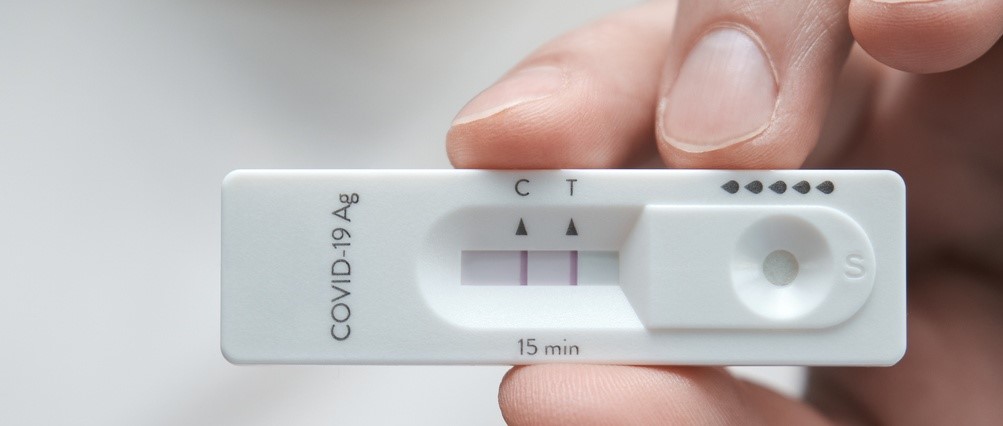
Get tested regularly. You can order lateral flow tests online, through Patient Access or from your pharmacist. You should do two tests a week to find out if you have coronavirus.
If you have symptoms, stay at home and book a COVID-19 test. If you test positive, self-isolate for ten days from the onset of your symptoms or from the date of your positive test if you are asymptomatic.
If you are in an area where the variant is spreading quickly, government guidance also recommends:
Meeting outside rather than inside where possible.
Socially distancing from anyone outside of your household or support bubble.
Avoiding travelling in and out of affected areas.
Working from home if you can.
Getting vaccinated when you are offered the vaccination.
Getting tested for COVID-19, including twice weekly lateral flow tests and participating in surge testing in your local area.
Patient picks for Variants information
COVID-19
What are the symptoms of the COVID-19 variant Pirola?
Cases of COVID-19 are on the rise, fuelled by the spread of a new variant called Pirola. But how can you tell if you have the virus - and should you isolate yourself?
by Lydia Smith
COVID-19
What we know about the new COVID-19 variants Eris and Pirola
With lockdowns a thing of the past, COVID-19 may not be at the forefront of everyone's minds - but it is continuing to spread. And as long as it does so, mutations of the virus, often referred to as different variants, will continue to emerge. Here we look at what we know about the two new strains, Eris and Pirola.
by Lydia Smith
About the authorView full bio

Milly Evans
Editor
Milly writes on a range of health topics, with a particular interest in health inequality and sexual health.
About the reviewerView full bio

Dr Sarah Jarvis
Clinical Consultant
MA (Cantab), BM, BCh (Oxon), DRCOG, FRCGP, MBE
After training in medicine at Cambridge and Oxford, Dr Sarah Jarvis MBE became a GP.
Article history
The information on this page is peer reviewed by qualified clinicians.
Article also available in English, German, Spanish, French, Italian, Portuguese, Hindi, Hebrew, Arabic, and Swedish.
25 May 2021 | Latest version
Join the conversation
Share your thoughts or experiences with others in our patient communities.

Ask, share, connect.
Browse discussions, ask questions, and share experiences across hundreds of health topics.

Feeling unwell?
Assess your symptoms online for free
Sign up to the Patient newsletter
Your weekly dose of clear, trustworthy health advice - written to help you feel informed, confident and in control.
By subscribing you accept our Privacy Policy. You can unsubscribe at any time. We never sell your data.
More in cOVID-19
- A year on: what we now know about COVID-19
- Are we prepared for another pandemic?
- Coping with OCD as lockdown eases
- Flurona: What we know about COVID-19 and flu combined infection
- Has the pandemic had an impact on child obesity?
- How has the COVID-19 pandemic affected access to contraception?
- How to protect yourself from COVID-19 and flu in pregnancy
- How to reduce your risk of DIY injuries during coronavirus lockdown
- Not quite 'back to normal': a guide to post-pandemic family healing
- Test and trace: how does it work?
- What to do if you have a dental emergency during the lockdown
- What we know about the IHU COVID-19 variant
- What we know about the new COVID-19 variants Eris and Pirola
- Why are Black and Asian people at greater risk from COVID-19?