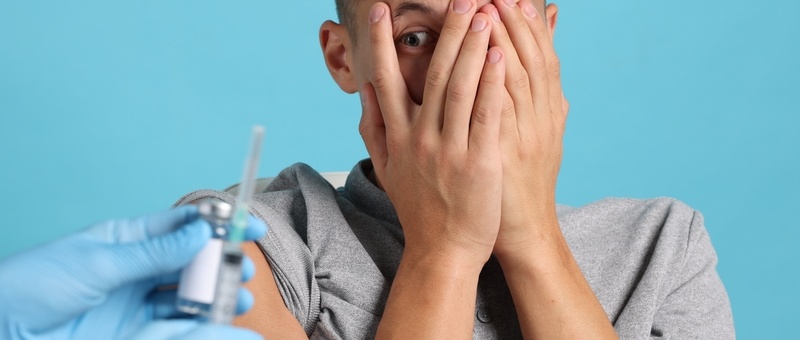
How to speak to someone who's hesitant about vaccines
Peer reviewed by Dr Sarah JarvisAuthored by Abi MillarOriginally published 7 May 2021
Meets Patient’s editorial guidelines
- DownloadDownload
- Share
- Language
- Discussion
- Audio Version
- Add to preferred sources on Google
Despite the success of the COVID-19 vaccination programme, many people have concerns about getting their jab. Here's how to broach the conversation with vaccine-hesitant family or friends.
So far, the UK's COVID-19 vaccination programme has been remarkably successful. More than half the UK population had received at least one dose of the vaccine by late April 2021, and the rollout is now extending to younger age groups. By late July, all UK adults should have been offered their first jab.
For many people, getting their vaccine is cause for celebration, marking the end of months of anxiety around contracting COVID-19. Although no vaccine offers 100% protection against the virus - and you need both doses for maximum effectiveness - they do significantly lower rates of death, hospitalisation and serious illness. Getting the vaccine may feel like an important step back towards normal life for all of us.
However, a significant minority of the population is less than thrilled about the idea of getting the jab.
Where does vaccine hesitancy come from?
People within this bracket may be worried about side effects, or concerned about getting a vaccine that didn't exist a matter of months ago. They may have encountered misinformation on social media. Or they may lack trust in the healthcare system at large, questioning whether the vaccine will protect them or whether it's needed at all.
"Vaccine hesitancy is the delay in acceptance or the refusal to accept vaccines despite the availability of vaccines," explains Professor Sam Shah, Chief Medical Strategy Officer at Numan, a digital healthcare provider for men. "It's complex and varies between different groups, conditions and even vaccines. People might be worried about safety, toxicity or quality; they may have had a previous poor experience or they may lack trust in the government or healthcare professionals. They may also have a perception about being at low risk of illness, or lack information. There could be religious beliefs that may contribute to decisions, or even a fear of needles."
Of Brits surveyed in late April, 93% said they'd either had the COVID-19 vaccine or would be likely to have the jab if offered - which still leaves 7% who wouldn't. Younger people were more likely to be vaccine-hesitant (17% of 16- to 29-year-olds surveyed fell into this category), along with people belonging to non-white ethnic groups.
Back in December 2020, just 49% of Black people reported they were likely to have the vaccine, compared to 85% of white people. As of mid-March, a person aged over 70 with black African heritage was 7.4 times more likely not to have had the vaccine than a white person over 70. This is especially troubling when you consider Black people are at heightened risk of death from COVID-19.
Why is this subject so emotive?
In short, the reasons why someone might be vaccine-hesitant are often personal and highly sensitive. In the case of marginalised groups and those living in deprived areas, the hesitancy may be grounded in a long history of feeling failed by the healthcare system.
"For example, some populations have heard doctors in some parts of the world suggest that vaccines should be tested in certain populations or groups. This can contribute to race-specific vaccine hesitancy," says Prof Shah.
On the other hand, the more people who refuse the vaccine, the less able we are to get the pandemic under control. By leaving yourself unprotected, you are also increasing the odds of infection for those around you, including immunocompromised people who can't get the jab themselves.
This means vaccination can be an emotive subject - and proposals like vaccine passports to get into pubs, or mandatory vaccinations for care home workers, tend to stir up strong feelings on both sides.
How to begin a conversation about vaccines
The upshot, then, is that if you want to persuade someone to get the COVID-19 vaccine (or any other vaccine for that matter), you need to be careful about your approach.
"It's really important to be proactive about addressing vaccine hesitancy - people have real concerns and it's important people listen and have a discussion that goes beyond a binary decision," says Prof Shah. "Try to communicate easy-to-understand messages that are tailored to the particular concern, as it'll be different for different people."
Some misconceptions are quite easily debunked. If, for instance, your friend or family member is worried about how quickly the COVID-19 vaccine was rolled out, or is scared because of myths about vaccines causing autism or infertility, it's worth reading up on what the testing and approvals process involves. Many people are receptive to hearing new information that might allay their fears, particularly if you're bringing a positive message about the benefits of vaccination.
"Vaccine manufacturers and regulators around the world are constantly monitoring the quality, safety and efficacy of vaccines as they would for any other drug," points out Prof Shah. "The development of the COVID-19 vaccine utilised advances in the treatment of other conditions ranging from whooping cough, rabies and hepatitis, amongst other known technological advances."
How was the vaccine developed so quickly?
Though some anti-vaccination myths suggested that the vaccine isn't safe because it was developed so quickly, no shortcuts were taken to get the vaccine ready. But thanks to previous research and the scale of the project, some of the usual processes were able to happen more quickly than usual, without compromising on safety.
It often takes months or years to recruit enough people to participate in studies. But in the UK alone, over 300,000 people signed up to the National Institute of Health Research COVID-19 vaccine research register.
Once most vaccine studies start, it can take months or years for enough people to catch the disease to know whether the vaccine offers protection. Because COVID-19 has been so rife, the difference between rates of infection in the real vaccine and placebo (non-active) groups became apparent in weeks.
Drug regulatory bodies like the UK's MHRA all prioritised review of the study protocols and results, so they were able to provide their usual robust full analysis in a fraction of the normal time.
Putting risks into perspective
Some people have understandably been concerned by the media coverage surrounding the possible extremely small risk of a blood clot called cerebral venous sinus thrombosis among people getting the AZ vaccine. But these risks need to be put into perspective:
The risk is somewhere in the region of 1 in 100,000 to 1 in a million people having the vaccine, depending on age and other risk factors. If the vaccination programme had not been under such intense scrutiny, this risk (which is many times smaller than the risks of many widely used medicines) would never have been mentioned in the media.
The risk of developing the same rare blood clot is 8-10 times higher among people who contract COVID-19 than among people who have the vaccine.
All the major international safety agencies, including the European Medicines Agency and the MHRA, have confirmed that the benefits of vaccination greatly outweigh the risks.
Don't expect too much from yourself
If you're not confident about arguing your case, or don't know the answers to a friend's questions, you can refer them to trusted sources of information like the Patient website. Pharmacists, doctors and other healthcare professionals also play a major role in putting people's minds at rest.
"Patients can be hesitant about everything from a simple blood test to the flu vaccine. However, the COVID-19 vaccine has thrown a major spanner in the works," says Hussein Abdeh, superintendent pharmacist at Medicine Direct. "In most cases I am able to put the patient at ease by simply talking to them and explaining how a vaccine works and how they are so effective."
Some anti-vaxx arguments might be harder to engage with. If your friend has bought into a conspiracy theory - for instance, the idea that Bill Gates wants to microchip the global population - you might not have much success convincing them otherwise. But it's worth having a discussion anyway about what sources of information they're using and why they're worried.
The most important factor is to come at the discussion from a place of curiosity, not judgement. An all-guns-blazing approach is likely to put the person on the defensive, and may have the opposite effect from the one you're hoping for. You won't be able to persuade everyone to get the vaccine, but it certainly can't hurt to open up a dialogue. Vaccinations are an incredible tool for getting infectious disease outbreaks under control, and the more of us who are able to access them, the better.
Patient picks for Vaccinations
Infections
We ask a GP what to expect after vaccinations
Vaccinations are a routine and highly effective way of protecting adults and children against an array of diseases, and complications or side effects are rare. We ask a GP for advice about what to expect after vaccinations.
by Julian Turner
Infections
Where does a fear of vaccines come from?
In places where successful vaccination programmes have been carried out, we no longer see as many people dying from diseases like polio or measles. With a vaccine now available for COVID-19, it's important that as many people as possible receive this safe and effective vaccine. So where does vaccine fear come from, and how can we help people get through it?
by Allie Anderson
Frequently asked questions
What is vaccine hesitancy?
Vaccine hesitancy is defined as a delay in accepting, or a refusal to accept, available vaccines. This can be due to various reasons, such as concerns about safety, side effects, or a lack of trust in the healthcare system or government. It is a complex issue, with contributing factors including religious beliefs or fear of needles, and varies between different groups and vaccines.
Which groups of people in the UK showed higher rates of vaccine hesitancy?
Surveys in the UK indicated that younger people were more likely to be vaccine-hesitant, with 17% of 16- to 29-year-olds falling into this category. People belonging to non-white ethnic groups also showed higher hesitancy. For instance, in December 2020, only 49% of Black people reported they were likely to have the vaccine, compared to 85% of white people.
Why is discussing vaccination an emotive topic for some people?
Discussing vaccination can be emotive because the reasons for hesitancy are often personal and sensitive. For some marginalised groups, hesitancy might stem from a long history of feeling let down by the healthcare system. Additionally, the broader impact of vaccination on public health, and proposals like vaccine passports or mandatory jabs, tend to evoke strong feelings on both sides of the debate.
How can I approach a conversation with someone who is hesitant about getting vaccinated?
When discussing vaccination, it's important to be proactive and listen to their concerns without judgment. Try to communicate easy-to-understand messages that are tailored to their specific worries. If you don't know the answers to their questions, you can refer them to trusted sources of information. The goal is to start a dialogue from a place of curiosity rather than criticism.
Are there any risks associated with the COVID-19 vaccine, such as blood clots?
While there has been media coverage about a very small risk of a specific type of blood clot (cerebral venous sinus thrombosis) associated with the AZ vaccine, this risk is extremely low, estimated at around 1 in 100,000 to 1 in a million people, depending on individual factors. It's important to note that the risk of developing the same rare blood clot is 8-10 times higher if you contract COVID-19 itself. Major international safety agencies confirm that the benefits of vaccination significantly outweigh these small risks.
About the authorView full bio

Abi Millar
Freelance Journalist
BA (Hons), MA
Abi is a freelance journalist with a special interest in health and medicine writing.
About the reviewerView full bio

Dr Sarah Jarvis
Clinical Consultant
MA (Cantab), BM, BCh (Oxon), DRCOG, FRCGP, MBE
After training in medicine at Cambridge and Oxford, Dr Sarah Jarvis MBE became a GP.
Article history
Article also available in English, German, Spanish, French, Italian, Portuguese, Hindi, Hebrew, Arabic, and Swedish.
7 May 2021 | Originally published
Authored by:
Abi MillarPeer reviewed by
Dr Sarah Jarvis
Join the conversation
Share your thoughts or experiences with others in our patient communities.

Ask, share, connect.
Browse discussions, ask questions, and share experiences across hundreds of health topics.

Feeling unwell?
Assess your symptoms online for free
Sign up to the Patient newsletter
Your weekly dose of clear, trustworthy health advice - written to help you feel informed, confident and in control.
By subscribing you accept our Privacy Policy. You can unsubscribe at any time. We never sell your data.
More in infections
- Can I have the flu jab if ...?
- Can the flu jab really give you the flu?
- Do you need the meningitis vaccine?
- Do you need to worry about side effects from vaccines?
- Do you need to worry about tick-borne encephalitis?
- First long-acting injectable HIV treatment approved
- Get fighting fit after meningitis
- How to manage your flu symptoms at home
- How to tell the differences between winter viruses in kids
- Is oral sex less risky than intercourse?
- Should all children have the flu vaccine?
- The meningitis and sepsis warning signs everyone should know
- Video: What are the different types of STI?
- Video: What is the best way to cure a UTI?
- What your pee says about your health
- Why do kids need the flu jab?
- Why is PrEP still not available on the NHS in England?
- Why is syphilis on the rise?
- Why wasn't I prescribed antibiotics?
- Will a UTI go away on its own?