What we know about the new COVID-19 variants Eris and Pirola
Peer reviewed by Dr Krishna Vakharia, MRCGPAuthored by Lydia SmithOriginally published 12 Sept 2023
Meets Patient’s editorial guidelines
- DownloadDownload
- Share
- Language
- Discussion
- Audio Version
- Add to preferred sources on Google
With lockdowns a thing of the past, COVID-19 may not be at the forefront of everyone's minds - but it is continuing to spread. And as long as it does so, mutations of the virus, often referred to as different variants, will continue to emerge. Here we look at what we know about the two new strains, Eris and Pirola.
What we know about the new COVID-19 variant Eris
As a virus spreads from person to person, its genetic make-up gradually changes. This mutation process helps to ensure the virus can survive, to allow it to continue spreading and reproducing.
Since it emerged, COVID-19 has continued to mutate into many different variants, which has enabled it to evade immune responses and vaccines. So even though getting your jabs will prevent against serious illness, they may not always stop you from getting the virus. However, your symptoms will be milder.
One of the newest COVID-19 variants - called EG.5.1 or Eris - emerged in the UK over the summer. First classified as a variant by the World Health Organization (WHO) on 9th August1, it is a descendent of the Omicron variant which first appeared in November 2021 and has had many sub-variants.
Eris is now the second most common variant in the UK2 and the most prevalent in the United States, according to the Centers for Disease Control and Prevention (CDC)3.
What are the symptoms of Eris?
Currently, there is no evidence to suggest Eris causes any new COVID-19 symptoms. The symptoms we are aware of include - fever, aches and pains, a continuous cough, changes in taste and/or smell, tiredness, runny nose and a sore throat.
Is Eris dangerous?
Although hospital admissions for COVID-19 have risen over the summer4, the WHO has said the public health risk posed by Eris is low. The rise in cases and hospital admissions have been attributed to waning immunity and a rise in indoor mixing because of the wet weather.
Mary Ramsay, head of immunisation at the UK Health Security Agency, said in a statement: "The latest data shows that COVID-19 cases continue to rise. To help combat the spread of the virus, we continue to advise that anyone with symptoms of a respiratory infection should try to stay at home and away from others - especially those who are vulnerable.
"Hospitalisations are also increasing, but still remain at very low levels. ICU admissions have increased in this week's report, but remain extremely low."
The best way to protect yourself from any COVID-19 variant is to keep up-to-date with your booster vaccinations, as this protects you against severe disease.
What we know about the new COVID-19 variant Pirola
Another COVID-19 variant called BA.2.86 or Pirola is also spreading5. Like Eris, Pirola is another sub-variant of Omicron. This variant was detected in the UK on 18th August and has also been identified in Israel, Denmark and the US.
What are the symptoms of Pirola?
The symptoms of Pirola are similar to other COVID-19 variants and include - fever, aches and pains, a continuous cough, changes in taste and/or smell, tiredness, runny nose and a sore throat.
Is Pirola dangerous?
Experts have noted that Pirola has many genetic differences from previous versions of COVID-196.
Because this variant has more mutations, it may be more likely to cause ‘breakthrough infections’ - where people still get infected with the virus despite being fully vaccinated. However, being vaccinated prevents serious illness if you do catch COVID-19.
It is too soon to know whether the Pirola variant will cause more severe illness compared with previous variants, according to the CDC. At the moment, though, there's no evidence to suggest it's more dangerous.
It's important to get your vaccines to prevent against serious illness with any variant of COVID-19.
How to protect yourself against COVID-19
Get your COVID-19 vaccinations.
Wash your hands frequently and thoroughly.
Wear a mask in public.
Avoid other people if you have symptoms or get a positive result after doing a test.
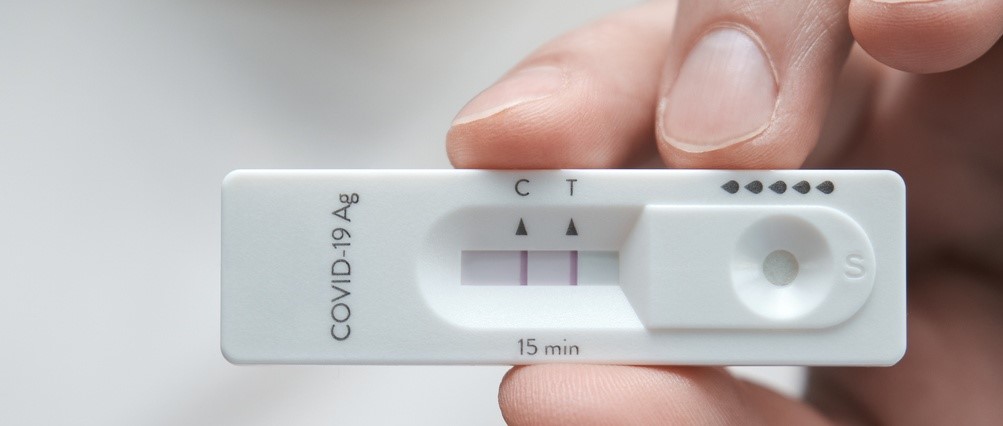
Test yourself if you have symptoms.
Let fresh air into your home.
Further reading
Patient picks for Variants information
COVID-19
What are the symptoms of the COVID-19 variant Pirola?
Cases of COVID-19 are on the rise, fuelled by the spread of a new variant called Pirola. But how can you tell if you have the virus - and should you isolate yourself?
by Lydia Smith

COVID-19
COVID-19: How contagious is Omicron?
A new variant of COVID-19 was discovered in late November 2021. Named Omicron (and known scientifically as B.1.1.529), the variant was identified by Dr Angelique Coetzee of the South African Medical Association. We're still in the early stages, and not a lot is known about the Omicron variant just now - new information is coming to light each day. However, we can explore how contagious it could be, and how we can protect ourselves against it.
by Emily Jane Bashforth
About the authorView full bio

Lydia Smith
Feature writer
BA, MA, MSc
Lydia Smith is an award-winning journalist and feature writer who has written extensively on women's health and mental health. She is currently studying for an MSc in psychology.
About the reviewerView full bio

Dr Krishna Vakharia, MRCGP
Chief Medical Officer for Health, Optum UK
MBChB, MRCGP(2013), BMedSci (hons), DFSRH, DRCOG, PGDipDerm (Distn)
Dr Krishna Vakharia is an NHS GP. She is also a regular examiner for the postgraduate Diploma in Practical Dermatology at Cardiff University as well as being the Chief Medical Officer for health at Optum UK.
Article history
Article also available in English, German, Spanish, French, Italian, Portuguese, Hindi, Hebrew, Arabic, and Swedish.
12 Sept 2023 | Originally published
Authored by:
Lydia SmithPeer reviewed by
Dr Krishna Vakharia, MRCGP
Join the conversation
Share your thoughts or experiences with others in our patient communities.

Ask, share, connect.
Browse discussions, ask questions, and share experiences across hundreds of health topics.

Feeling unwell?
Assess your symptoms online for free
Sign up to the Patient newsletter
Your weekly dose of clear, trustworthy health advice - written to help you feel informed, confident and in control.
By subscribing you accept our Privacy Policy. You can unsubscribe at any time. We never sell your data.
More in cOVID-19
- Can I have routine vaccinations under lockdown?
- Can the COVID vaccine affect the menstrual cycle?
- COVID-19 - coping with loneliness this Christmas
- COVID-19: how to stay safe this Christmas
- COVID-19: when do experts predict life will return to normal?
- How to choose the right face mask for you
- How to cope with traumatic events like the COVID-19 pandemic
- Lockdown easing: what is the plan and is it realistic?
- National Day of Reflection: coping with grief after losing a loved one to COVID-19
- Test and trace: how does it work?
- The latest treatments for COVID-19
- Tips to help your kids get used to face masks and coverings
- What are the differences between colds, flu and COVID-19?
- Why are Black and Asian people at greater risk from COVID-19?
- Why are women so vulnerable to COVID-19 in pregnancy?