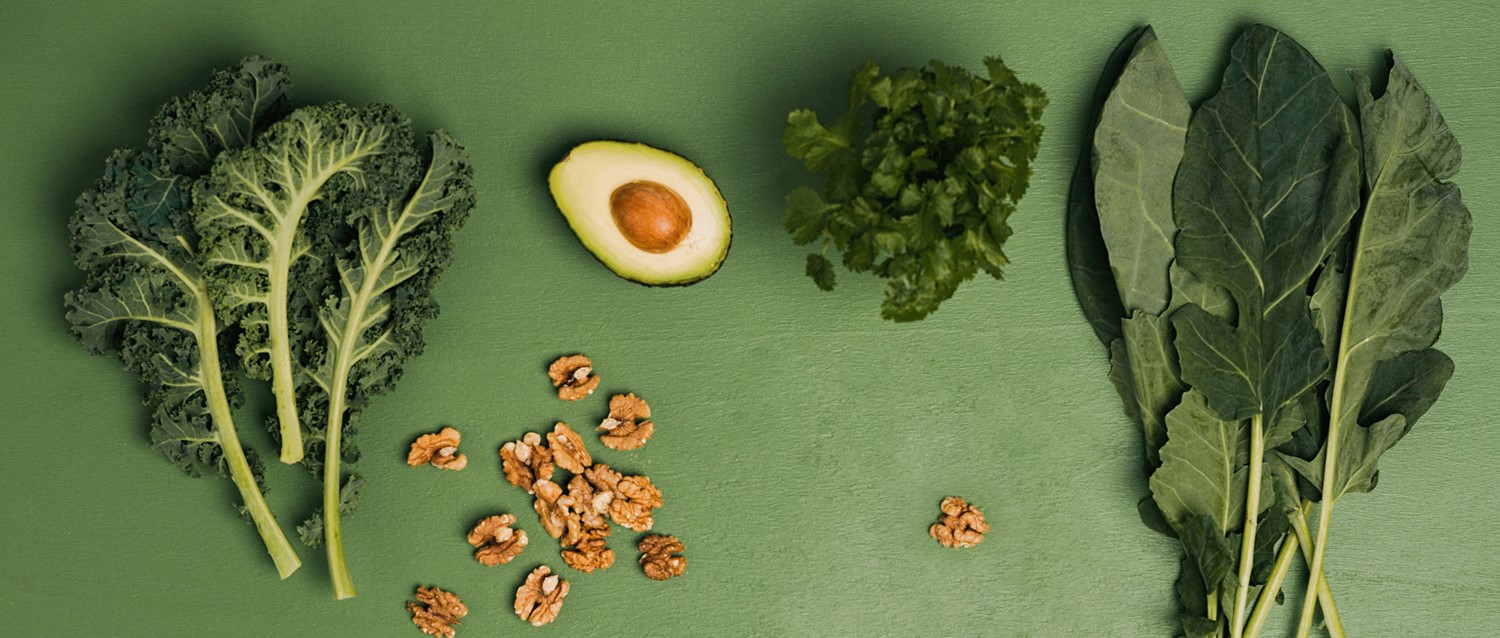
Le régime keto : qu'est-ce que c'est et est-ce efficace ?
Revu par Dr Sarah JarvisDernière mise à jour par Dr Carrie Ruxton, PhD, Nutrition InfantileDernière mise à jour 6 Mar 2019
Respecte les directives éditoriales
- TéléchargerTélécharger
- Partager
- Language
- Discussion
- Version audio
- Ajouter aux sources préférées sur Google
Les régimes pauvres en glucides deviennent de plus en plus établis dans le monde de la nutrition, mais qu'en est-il de leur cousin plus extrême, le régime cétogène ? Prôné par les célébrités hollywoodiennes pour brûler les graisses, réduire l'appétit et gérer la glycémie, est-il vraiment à la hauteur de sa réputation ? Et qu'en est-il des risques ?
Dans cet article:
Sélections vidéo pour Régime alimentaire
Continuez à lire ci-dessous
What is the keto diet?
The ketogenic diet has been around for more than 100 years when it was developed for the treatment of severe épilepsie. Doctors at the time noticed that short-term starvation helped patients to control their seizures but this wasn't a safe or convenient option for everyone, particularly children.
Research showed that a 'water only' starvation diet worked because substances called ketone bodies, produced as a byproduct of fat burned for energy, were released into the bloodstream by the liver. These acted in the brain to combat the abnormal nerve impulses blamed for epilepsy. Later studies found that a low-carb, high-fat diet could do the same job and the keto diet was born.
After falling out of favour for a few decades, when les médicaments contre l'épilepsie improved, the diet had a resurgence in the 1990s thanks to high-profile doctors in the US, and is still used today as a first-line treatment for some neurological conditions.
How does the keto diet work?
Retour au sommaireThe original keto diet consisted of one gram of protein for each kilogram of body weight, plus 10-15 grams of carbs and the remaining calories from fat, which was pretty extreme. Nowadays, specialist dieticians calculate the amount of fat, carbohydrate and protein that each patient needs based on their body weight and nutritional requirements. This can make the diet easier to follow and reduce the risk of deficiency.
A typical day's diet might involve double cream, meat, eggs, butter, vegetable oil with a few servings of low-carb vegetables and fruits, like celery, apple or berries. Starchy carbs, like bread, pasta, breakfast cereals, potatoes and rice, are excluded, as are bananas, peas, and corn.
Des keto breakfast might include a range of dishes such as French crepes, smoked salmon egg bites, and a keto smoothie. A keto lunch or dinner on the other hand might include foods such as scrambled eggs, chicken, and broccoli.
Because the keto diet is not nutritionally complete, dietary supplements are advised.
Dietician, Dr Frankie Phillips, comments: "While there is plenty of social media chatter about keto diets, I would always stress that it's primarily a therapeutic diet for medical conditions like epilepsy, Parkinson's disease, or chronic headache. If you are looking to lose weight or manage blood sugar levels, there are far less complex options available, such as low-fat diets or moderate to low-carb diets, which are also more nutritionally balanced."
Continuez à lire ci-dessous
Is the keto diet safe?
Retour au sommaireDozens of high-quality studies and specialists reviews, called meta-analyses, have been published on the benefits of the ketogenic diet for drug-resistant epilepsy.
The most important of these was a Cochrane review - the go-to evidence for medical and healthcare professionals - which looked at the findings of 11 clinical studies. The results showed that keto diets could help up to 55% of patients become free of seizures, or reduce their symptoms by up to 85%. However, the studies were small and fairly low in quality. Nevertheless, the authors concluded that there was promising evidence for keto diets, and the easier-to-use modified Atkins diets, in children as well as adults.
For other conditions, the health benefits are far less clear. Some studies show symptomatic relief in individuals with Parkinson's disease or Alzheimer's but there are too few studies to be sure that keto diets would be right for everyone with these conditions. Scientists have also raised concerns about keto diets worsening malnutrition in elderly people with neurological conditions.
Does the keto diet really work?
Retour au sommaireFor weight loss - the main reason why celebs reach for keto or low-carb diets - the results don't seem worth the effort in sticking to a highly restrictive diet.
A meta-analysis published in the British Journal of Nutrition combined the results of 13 studies which followed patients using keto or low-fat calorie-controlled diets for at least a year. While the keto diets performed statistically better, the difference in average weight loss between the diets was less than a kilogram (1/2 lb) which is not clinically relevant to health. After two years, even those small differences vanished.
Keto diet side effects
Reported side effects of the keto diet include short‐term stomach upsets and increased blood cholestérol levels. From a social perspective, the long list of banned foods can make celebrations and dinner invitations rather awkward. Indeed, reports show that patients find it difficult to stick to strict low-carb diets long-term.
Phillips comments: "As the best evidence is for drug-resistant epilepsy in children and adults, these are the main groups of patients who could try the keto diet, but under supervision from medical and dietetic experts. The charity, Matthew's Friends, has some great information on its website about how to get started. As for other medical conditions, or weight loss, there are alternative eating plans which are less restrictive, have fewer side effects, and which are more likely to be healthy and effective. Ask your GP for a referral to a dietician to chat through the options."
Sélections des patients pour Régime alimentaire

Régime et nutrition
Qu'est-ce que le régime nordique ?
The Nordic diet originates from the traditional eating habits of regions in northern Europe and the North Atlantic. These colder countries share a dietary approach of locally grown plant-based foods and responsibly sourced game meats. It’s sometimes called the Scandinavian diet, but whichever name you know it by, let's take a look at what it involves, along with its potential health benefits.
par Victoria Raw
Régime et nutrition
Qu'est-ce que le régime Volumetrics, et devriez-vous l'essayer ?
Au cœur de la diète Volumetrics, il s'agit de manger plus d'aliments avec moins de calories, afin de se sentir rassasié plus longtemps. Cette idée peut sembler attrayante, mais comme beaucoup de régimes qui font de grandes promesses, elle comporte des écueils. Bien qu'elle offre certains avantages pour la santé, l'approche Volumetrics peut ne pas être la meilleure option pour votre bien-être à long terme.
par Victoria Raw
Continuez à lire ci-dessous
À propos de l'auteurVoir la biographie complète

Dr Carrie Ruxton, PhD, Nutrition Infantile
Diététicien et Écrivain en Santé
Doctorat, Nutrition Infantile
Dr Carrie Ruxton a obtenu son diplôme de diététicienne à l'Université Queen Margaret, Édimbourg, avant de décrocher un doctorat en nutrition infantile.
À propos du critiqueVoir la biographie complète

Dr Sarah Jarvis
Responsable SEO
MA (Cantab), BM, BCh (Oxon), DRCOG, FRCGP, MBE
Après avoir suivi une formation en médecine à Cambridge et Oxford, le Dr Sarah Jarvis MBE est devenue médecin généraliste.
Historique de l'article
Les informations sur cette page sont examinées par des cliniciens qualifiés.
6 Mar 2019 | Dernière version

Demandez, partagez, connectez-vous.
Parcourez les discussions, posez des questions et partagez vos expériences sur des centaines de sujets de santé.

Vous ne vous sentez pas bien ?
Évaluez vos symptômes en ligne gratuitement
Inscrivez-vous à la newsletter Patient
Votre dose hebdomadaire de conseils de santé clairs et fiables - rédigés pour vous aider à vous sentir informé, confiant et maître de la situation.
En vous abonnant, vous acceptez notre Politique de confidentialité. Vous pouvez vous désabonner à tout moment. Nous ne vendons jamais vos données.