
L'insomnie affecte-t-elle votre travail ?
Revu par Dr Sarah JarvisRédigé par Danny ChadburnPublié à l'origine 27 sept. 2017
Respecte les directives éditoriales
- TéléchargerTélécharger
- Partager
- Language
- Discussion
- Version audio
- Ajouter aux sources préférées sur Google
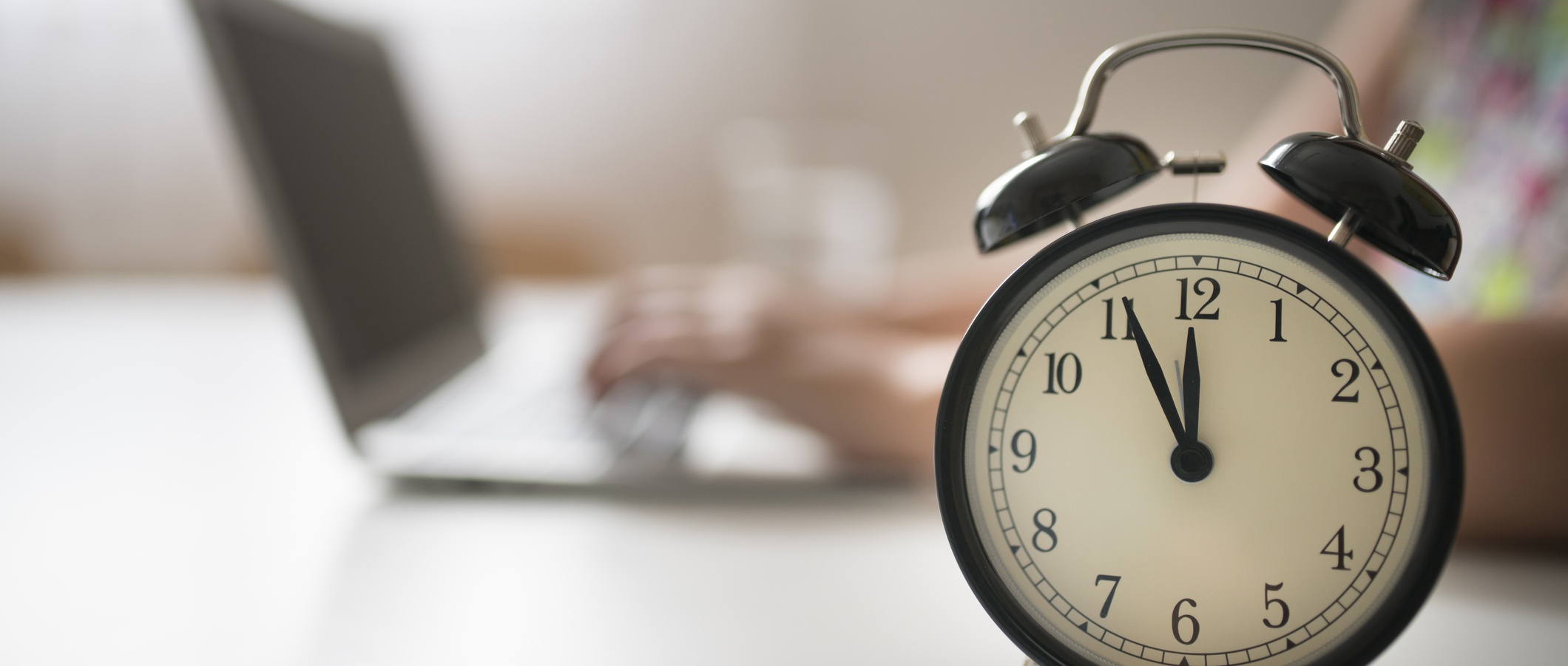
If you're struggling to stay awake at work, you're not alone - figures from the Royal Society for Public Health reveal 40% of us aren't getting enough sleep, while many people may be missing out on an hour's sleep a night; that adds up to a whole night of lost sleep by the end of the week.
Explore support for sleep difficulties
Get expert healthcare advice from the comfort of home. Complete a quick online consultation, available 24/7, with your request reviewed by a UK-registered clinician. Next day delivery available on eligible treatments.

Not only is insomnie a major cause of accidents at work, it causes 200,000 sick days, costing the UK economy £40 billion every year. "We are the second most sleep-deprived nation in the world, after the US," says Rachel McGuinness, a sleep expert and cognitive behavioural therapy for insomnia (CBTI) therapist.
Apart from the impact at work, a lack of sleep raises our risk of chronic illnesses such as hypertension artérielle, diabète de type 2, la dépression, le cancer, maladies cardiaques et l'obésité. "A good night's sleep really is the number one thing we can do for our health," says McGuinness.
But does your boss have a responsibility to support you if you are experiencing insomnia? Or is it something we need to deal with by ourselves?
What can my employer do?
Many companies are now waking up to the idea that better sleep = better employees. US insurance firm Aetna encourages its staff to sign up for a reward scheme that pays them £225 a year for getting seven hours sleep a night, while Google's headquarters in London feature 'sleep pods' so workers can doze during the day.
"However, sleep rooms and sleep pods might just be a ruse to get employees to stay longer at work," says McGuinness. "If your company offers them, make sure you're only using them for a quick power nap and not to replace sleeping in your own bed at night."
Acas, the advisory and arbitration service, says employers have a duty of care to their workforce to ensure their well-being - this may be particularly relevant if you work night shifts that can disrupt sleep patterns. Ask your HR department if you want to know what your employer's responsibilities are.
Your employer may also have a duty to make sure you're not working excessive hours. This can affect your sleep, either by limiting the amount of time you're at home, or because you spend so much time worrying about work that it impacts on your sleep.
France and Germany have already banned managers from calling or emailing staff out of hours to help prevent employee burn-out, so you could try mentioning a similar idea to your boss.
What can I do?
Acas says that employees also have a responsibility for their own health and safety at work. If you are experiencing insomnia, it's worth warning your employers that you may be struggling for the next few weeks.
A lack of sleep can affect your concentration and attention span, increasing the risk of accidents and impairing your decision-making. McGuinness says, "We need between seven and nine hours' sleep a night - 50% of this is light sleep, 20% is deep sleep, 25% is rapid eye movement (REM) sleep, and 5% is naturally waking up.
"REM sleep is really important, as this is when your brain moves memories and experiences from your short-term memory to your long-term memory. Not getting enough REM sleep means you won't file things away properly and it becomes harder to retrieve them."
It's important to follow a good sleep hygiene routine to help prevent insomnia and get the sleep you need.
Try these expert tips
Stop using laptops, smart phones or tablets one to two hours before bed - the blue light emitted from the screens can disrupt the production of melatonin, the hormone that helps you fall asleep. While you might think you're getting ahead by checking your emails, a lack of sleep will actually leave you less able to do your job properly in the morning.
Réduisez votre consommation de caféine - in 2013, American researchers found that drinking coffee even six hours before bed can disrupt your sleep patterns. Another study published in Science Translational Medicine in 2015 found drinking a double espresso three hours before bed could turn your body clock back by an hour.
Keep your bedroom clean, tidy and a relaxing place to be - McGuinness says, "Your bedroom should just be for sleep and sex. Don't use part of it as an office, or you'll be thinking about work before you go to sleep and as soon as you wake up."
Don't watch TV in bed - the light emitted from the screen can affect melatonin production, and if you're watching something scary or exciting, this doesn't give your brain time to wind down before sleep. Avoid binge watching your favourite series too; you'll be saying 'one more episode' till the small hours, disrupting your natural sleep patterns even further.
Respect the body's natural drive to fall asleep - McGuinness says, "Burning the candle at both ends means you could eventually burn out."
Explore support for sleep difficulties
Get expert healthcare advice from the comfort of home. Complete a quick online consultation, available 24/7, with your request reviewed by a UK-registered clinician. Next day delivery available on eligible treatments.
Sélections des patients pour Sommeil et insomnie
Mode de vie sain
Le changement d'heure peut-il affecter l'insomnie ?
Insomnia means you suffer from sleep problems such as difficulty falling asleep, staying asleep, waking up too early or not getting enough refreshing sleep, and it affects one in five of us in the UK.
par Danny Chadburn
Mode de vie sain
L'hypnothérapie peut-elle aider à lutter contre l'insomnie ?
Many people who experience frequent insomnia will try anything to get a good night's rest. For Sally Turner, the root of her sleep issues was sharing a bed with her partner. She gave hypnotherapy a go to see whether it could improve her sleep and overall well-being.
par Sally Turner
À propos de l'auteur
Rédigé par

Danny Chadburn
Responsable du Contenu
Danny était le précédent responsable du contenu chez Patient.
À propos du critiqueVoir la biographie complète

Dr Sarah Jarvis
Consultant Clinique
MA (Cantab), BM, BCh (Oxon), DRCOG, FRCGP, MBE
Après avoir suivi une formation en médecine à Cambridge et Oxford, le Dr Sarah Jarvis MBE est devenue médecin généraliste.
Historique de l'article
Article également disponible en Anglais, Allemand, Espagnol, Français, Italien, Portugais, Hindi, Hébreu, Arabe, and Suédois.
27 sept. 2017 | Publié à l'origine
Écrit par :
Danny Chadburn
Revu par
Dr Sarah Jarvis
Participez à la conversation
Partagez vos pensées ou expériences avec les autres dans notre communautés de patients.

Demandez, partagez, connectez-vous.
Parcourez les discussions, posez des questions et partagez vos expériences sur des centaines de sujets de santé.

Vous ne vous sentez pas bien ?
Évaluez vos symptômes en ligne gratuitement
Inscrivez-vous à la newsletter Patient
Votre dose hebdomadaire de conseils de santé clairs et fiables - rédigés pour vous aider à vous sentir informé, confiant et maître de la situation.
En vous abonnant, vous acceptez notre Politique de confidentialité. Vous pouvez vous désabonner à tout moment. Nous ne vendons jamais vos données.