Les siestes comptent-elles comme du sommeil ?
Revu par Dr Sarah JarvisRédigé par Amberley DavisPublié à l'origine 7 Nov 2021
Respecte les directives éditoriales
- TéléchargerTélécharger
- Partager
- Language
- Discussion
- Ask Patient
- Version audio
- Ajouter aux sources préférées sur Google
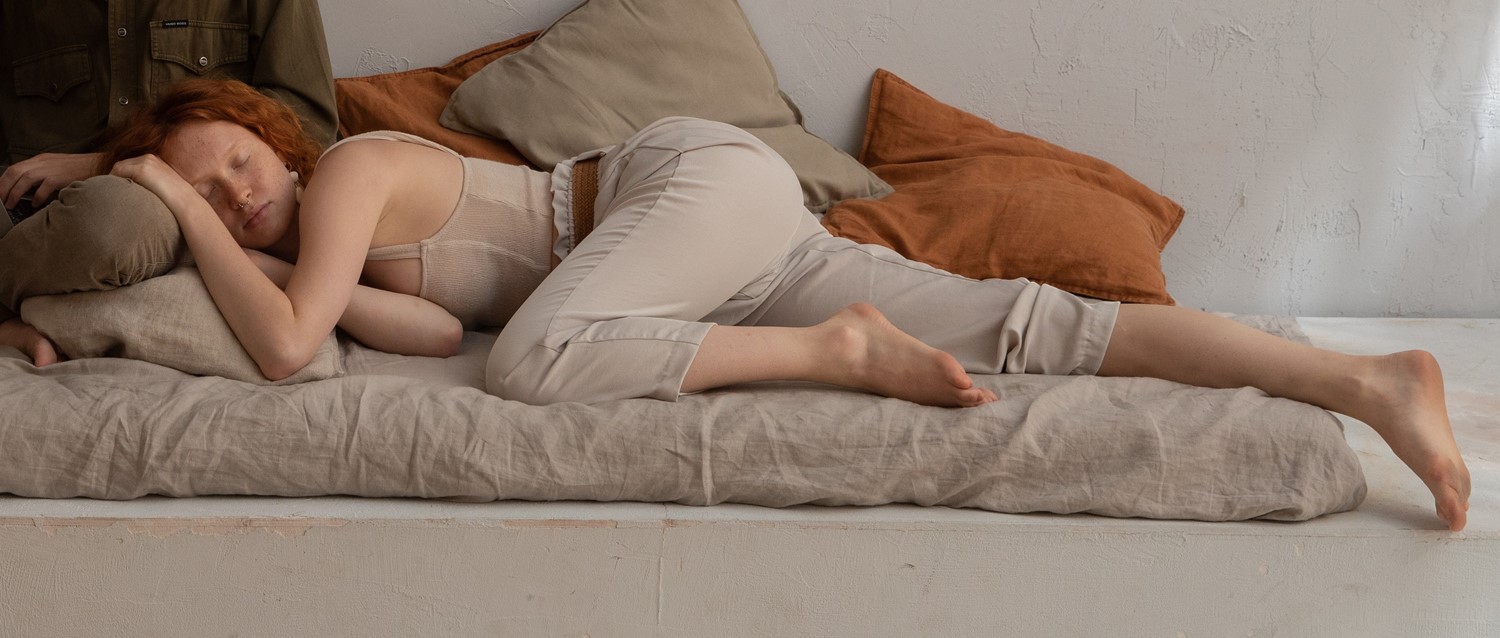
Faire une sieste pendant la journée peut sembler être une mauvaise habitude, mais de nombreux professionnels de la santé promeuvent les bienfaits pour la santé de la sieste en journée. Quelle est la différence entre une bonne sieste et une mauvaise sieste ?
Is napping good for you?
Naps have long suffered from bad press. Emphasis has been placed on the negative impact of naps on nighttime sleeping, and many des études have also linked regular napping among the older population with a number of health problems. Despite the connection, experts generally conclude that there is no direct evidence to suggest naps can cause - and aren't just symptomatic of - co-existing (comorbid) health issues.
While research into napping among older groups with health concerns is ongoing, many healthcare professionals are now promoting the potential benefits of daytime naps for the healthy and younger populations. Centers for Disease Control and Prevention (CDC) even recommend napping as an "important fatigue countermeasure" and highlight the brain benefits that it can provide.
What are the benefits of napping?
A nap in the day can be refreshing and restorative for healthy adults. According to Heather Darwall-Smith, psychotherapist at The London Sleep Centre, a good nap "can be beneficial to reducing daytime fatigue, and improve alertness and memory as well as cognitive performance."
Benefits include:
Relaxation.
Réduit fatigue.
Humeur améliorée.
Reduced levels of niveaux de stress.
Increased alertness.
Lower blood pressure
Improved productivity and performance, including a quicker reaction time, a better memory and an improvement in learning ability.
There is strong scientific evidence for enhanced brain functionality. This includes one 2017 study exploring afternoon naps, which found that napping "minimises sleepiness while enhancing executive functioning" and facilitates memory consolidation, subsequent learning, and emotional processing.
The science behind the perfect nap
Yet there are important factors that can make the difference between having a 'good' nap - one that is restorative and improves cognitive performance - and a 'bad' nap that leaves you feeling groggy or disrupts your nighttime sleep pattern.
Nap sleep architecture
La processes that regulate sleep and the different sleep stages play an important role in good-quality, energising naps. They make the time of day we choose to nap and the nap length crucial to whether they can count as getting good sleep.
Sleep is regulated by our sleep drive (sleep pressure) and our internal body clock (circadian rhythmicity). These processes explain why we feel energised after waking up and gradually become more tired as the day goes on.
Our sleep drive accumulates throughout the day and is believed to trigger the onset of non-rapid eye movement (NREM) sleep. Our internal body clock is subject to cyclical day-to-night 'circadian' influences and controls rapid eye movement (REM) sleep. During the day, light exposure causes our body clock to generate alertness, while as night draws in it produces more melatonin, a hormone that makes us sleepy.
Recherche suggests that these processes are important in understanding nap sleep architecture. Also known as sleep staging, sleep architecture is made up of four distinct stages:
Stages 1 and 2: light NREM sleep where brain activity decreases.
Stage 3: deep NREM sleep where brain activity is at its lowest.
Stage 4: REM sleep where there is a spike in brain activity.
Due to these factors, the time of day we choose to nap and how long we nap for are both important factors for the quality of sleep we get and the benefits we may feel after we wake. A nap in the morning will comprise mainly light NREM and some REM sleep, in part influenced by light exposure and our body clock. In contrast, a nap in the evening as your sleep drive increases will be made up of more deep sleep.
What makes a bad nap?
As napping in the evening is more likely to consist of deep NREM sleep: "If you wake during deep sleep, you will negate the benefits of the nap as you will experience 'sleep inertia' - a feeling of grogginess that can take time to shake off," explains Darwall-Smith.
Napping so close to night also runs the risk of affecting your ability to get to sleep properly in the nighttime.
"For anyone with insomnia, napping is a problem. During the day we build up sleep pressure, so taking a nap reduces sleep pressure at bedtime. This can make it harder to fall asleep."
As the Sleep Foundation points out, taking long naps can establish a vicious cycle whereby you sleep in the day to make up for lost sleep at night, but then find it harder to fall asleep once night rolls around again.
Research has also identified a connection between taking long naps and a higher chance of having conditions like la dépression et maladies cardiaques. The urge to sleep for long periods in the daytime may be a sign of not getting a healthy amount of sleep at night, which in turn can be a cause of these conditions.
How long should I nap?
In contrast, the recipe for a good nap is one that takes place early to mid-afternoon and is relatively short. According to the Sleep Foundation, both of these factors "allow you to catch a quick rest without entering slow-wave sleep and feeling excessively groggy after waking."
Research, including one étude de 2015 which looked at how naps could improve cognitive flexibility, have found that napping in early to mid-afternoon, while the body clock experiences a natural circadian dip, has the optimum restorative and energising benefits.
The best nap length is relatively brief at around 10 to 30 minutes. While measuring post-nap effects such as sleepiness, vigour, and cognitive performance, des études have found 10-minute naps to produce the best results, occurring immediately after waking up and lasting for as long as 155 minutes.
It can therefore be argued that these factors constitute the perfect nap according to science. This is based on the grounds that the purpose of the nap is both to combat tiredness and to re-invigorate the brain.
This is the nap for those who feel themselves lagging after midday and who may wish to improve their productivity in the afternoon.
Tips for a good nap
If you wish to reap the benefits of napping there are a few measures you can take to help you on your way:
Set an alarm to ensure a short nap. As it can take a few minutes to fall asleep, setting one anywhere between 15 and 30 minutes is recommended by CDC.
Get comfortable. Nap in a bed and dark room if available.
Consider wearing an eye mask and earplugs if you are easily disturbed.
Consider taking a caffeine pill just before your nap. This may feel counter-intuitive, but caffeine takes around 30 minutes to kick in which is perfect timing to revive you post-nap. Be careful to avoid caffeine up to six hours before bedtime.
Remember to examine your motivation for napping. It is important to assess why you may be sleepy enough to nap in the day. If you have a desire to nap for a long duration, this could indicate that you are sleep deprived and are not getting enough sleep at night.
There are things you can try to improve your sleep habits. If these aren't effective in resolving your sleep problems, or if you are getting a lot of sleep at night and are concerned that you still feel excessively tired in the day, discuss this with your GP.
Sélections des patients pour Sommeil et insomnie

Mode de vie sain
Sleep diary
Please answer questions A to S each day over the next two weeks. There should be three sheets of paper for answers to be written in boxes. The aim is to measure the pattern and quality of your sleep, and factors that may affect your sleep over the course of two weeks.
par Danny Chadburn
Mode de vie sain
Comment empêcher le ronflement de gâcher votre sommeil
Avec deux personnes sur cinq qui ronflent, il y a de fortes chances que vous soyez soit celui qui fait du bruit, soit celui qui reste éveillé à l'écouter. Pour certains, le ronflement est une gêne occasionnelle après quelques verres ou un gros rhume. Pour d'autres, c'est une bataille nocturne qui laisse les deux partenaires épuisés et peut même tendre les relations. Heureusement, le ronflement n'est pas quelque chose que vous devez simplement supporter. Des solutions rapides qui peuvent aider immédiatement aux solutions à plus long terme qui traitent la cause sous-jacente, il existe de nombreuses façons de dormir plus paisiblement.
par Heather Ainsworth
À propos de l'auteurVoir la biographie complète
Rédigé par

Amberley Davis
Rédacteur senior
BA (Hons), CPD
Amberley est une rédactrice senior chez Patient et a écrit de manière approfondie sur une gamme de sujets liés à la santé et au bien-être.
À propos du critiqueVoir la biographie complète

Dr Sarah Jarvis
Consultant Clinique
MA (Cantab), BM, BCh (Oxon), DRCOG, FRCGP, MBE
Après avoir suivi une formation en médecine à Cambridge et Oxford, le Dr Sarah Jarvis MBE est devenue médecin généraliste.
Historique de l'article
Article également disponible en Anglais, Allemand, Espagnol, Français, Italien, Portugais, Hindi, Hébreu, Arabe, and Suédois.
7 Nov 2021 | Publié à l'origine
Écrit par :
Amberley DavisRevu par
Dr Sarah Jarvis
Partagez vos pensées ou expériences avec les autres dans notre communautés de patients.
Accès simple à des traitements fiables et à des services de santé en ligne.
Common conditions
Get help with common conditions through the NHS, without a GP appointment.





Inscrivez-vous à la newsletter Patient
Votre dose hebdomadaire de conseils de santé clairs et fiables - rédigés pour vous aider à vous sentir informé, confiant et maître de la situation.
En vous abonnant, vous acceptez notre Politique de confidentialité. Vous pouvez vous désabonner à tout moment. Nous ne vendons jamais vos données.