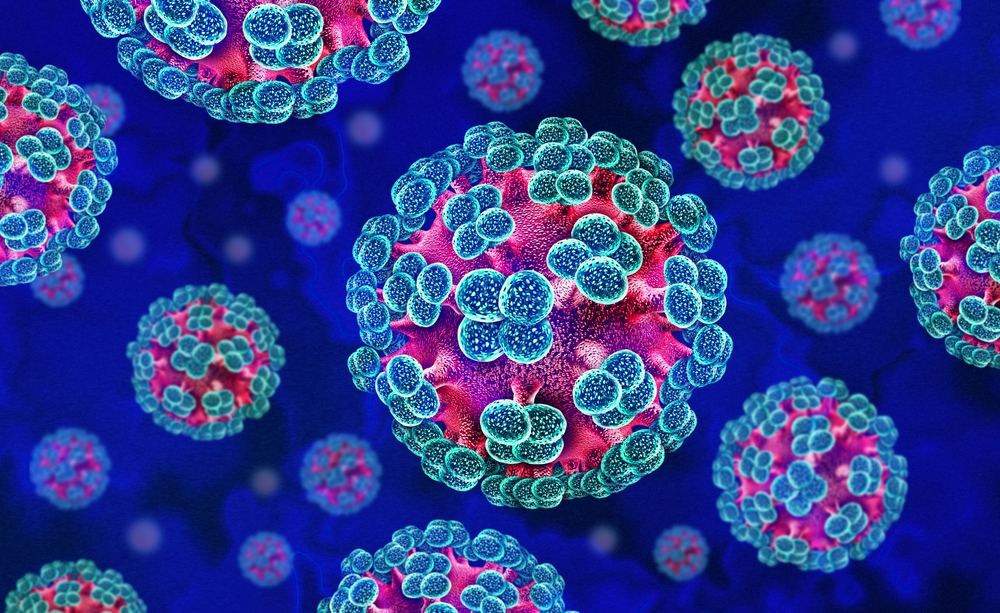
Qu'est-ce que le Hantavirus ? Tout ce que vous devez savoir sur ce virus rare mais sérieux
Revu par des pairs par Dr Colin Tidy, MRCGPRédigé par Thomas Andrew Porteus, MBCSPublié à l'origine 5 May 2026
Respecte les directives éditoriales
- TéléchargerTélécharger
- Partager
- Language
- Discussion
- Version audio
- Ajouter aux sources préférées sur Google
Hantavirus is making headlines again, after a cluster of serious illnesses linked to an expedition cruise ship prompted investigations by the World Health Organization.
But what is Hantavirus - and is it something you need to worry about?
Hantavirus is not a condition most people spend much time thinking about. It rarely appears in mainstream health coverage, and compared with infections such as la grippe, norovirus, ou COVID, public awareness remains low.
So when it suddenly makes headlines, the same questions come up - what is it, how serious is it, and should we be worried?
In the case of hantavirus, the honest answer is that it deserves respect - but not panic.
It can cause serious, even life-threatening illness. But it is also rare, does not spread easily between people, and for most people in the UK, the risk remains extremely low.
What is hantavirus?
Hantavirus is the name given to a group of viruses carried by rodents.
Different strains are found in different parts of the world, and each tends to be associated with particular species of mice, rats, or voles.
These animals usually show no obvious signs of illness, but they can carry and shed the virus in their pee (urine), poo (droppings), and saliva.
Human infection typically happens through environmental exposure rather than direct contact.
In simple terms, the virus can become airborne in tiny particles of dust contaminated by rodent waste, and infection can occur when that dust is breathed in.
That means exposure is most often linked to activities such as:
Clearing sheds, garages, or lofts.
Cleaning barns, stables, or storage buildings.
Opening holiday cabins or caravans that have been closed for long periods.
Working in farming, forestry, or pest control.
Renovating older rural properties.
Why is it in the news now?
The current coverage follows reports of several passengers becoming seriously unwell aboard the expedition vessel MV Hondius after a South American itinerary.
Public health investigations are ongoing, and while laboratory-confirmed cases have been reported, officials believe exposure may have taken place during activities on land rather than on the ship itself.
That distinction matters, because hantavirus behaves very differently from respiratory viruses that spread in crowded indoor spaces. It is not something currently spreading through communities, schools, offices or public transport.
The current incident appears to be linked to a very specific exposure event rather than broader human transmission.
Can hantavirus spread from person to person?
In almost all cases, no.
That is one of the most reassuring things about hantavirus. The vast majority of infections occur through direct exposure to contaminated environments rather than through contact with another infected person.
There is one notable exception, a strain known as Andes virus, found mainly in parts of South America, where limited person-to-person transmission has been documented.
Outside of that, hantavirus is generally considered a dead-end infection in humans.
If someone becomes infected, the people around them are not usually considered at risk simply through normal day-to-day contact.
Is hantavirus found in the UK?
Yes, although cases are uncommon.
The UK Health Security Agency (UKHSA) recognises hantavirus infection as a rare but established disease in Britain.1
British rodent populations, including rats and voles, can carry strains capable of infecting humans, although confirmed cases remain infrequent.
Where infections do occur, they are more often seen in people whose work or hobbies involve close contact with rural buildings, livestock areas, feed stores, or rodent habitats.
That might include:
Farmers.
Grounds staff.
Pest controllers.
Forestry workers.
Stable owners.
Builders and renovators.
People restoring caravans, boats or outbuildings.
Even in these groups, infection remains rare.
What are the symptoms of hantavirus?
People often initially feel as though they are coming down with a viral infection such as the rhume or flu.
Symptoms may include:
Maux de tête.
Douleurs musculaires.
Fatigue.
Frissons.
Sensation de nausée.
Stomach or abdominal discomfort.
That alone would not immediately suggest hantavirus. What makes the infection concerning is that in some cases symptoms can worsen quickly over the following days.
Depending on the strain involved, more serious complications may affect either the lungs or the kidneys.
Respiratory symptoms can include:
Toux persistante.
Essoufflement.
Chest tightness.
Low oxygen levels.
Other strains may cause:
Severe back pain.
Douleur abdominale.
Peeing less than normal.
Kidney inflammation.
For clinicians, the combination of symptoms plus an exposure history is often what raises suspicion.
A recent history of clearing rodent-infested spaces, handling feed stores, working in barns, or travelling in rural parts of affected countries can be an important clue.
How serious is hantavirus?
Hantavirus can be serious. The most severe form, known as Hantavirus pulmonary syndrome (HPS), can progress rapidly and may require intensive care support. Another severe syndrome associated with hantavirus is haemorrhagic fever with renal syndrome (HFRS), which is mainly seen in Europe and Asia.2
Data from the Centers for Disease Control and Prevention (CDC) suggests that around 38% of people who develop severe pulmonary disease may not survive, even with modern treatment.3
That sounds alarming, and it should be taken seriously. But it is equally important to remember that these severe cases are rare, and the overall number of infections remains very small.
Can hantavirus be treated?
There is currently no widely used antiviral treatment specifically for hantavirus.
Management is supportive and may include:
Oxygen therapy.
Intravenous fluids.
Intensive care monitoring.
Kidney support in severe cases.
As with many infections, early recognition can make a significant difference.
Should people in the UK be worried?
For most people, no.
There is currently no evidence of wider public health risk in the UK linked to the latest outbreak, and no reason for people to change travel plans, avoid public places, or worry about day-to-day contact with others.
The main risk remains environmental exposure in settings where rodents may be present.
That means the most practical prevention measures are simple:
Ventilate sheds, lofts, or storage areas before cleaning.
Avoid sweeping dry rodent droppings.
Use disinfectant before disturbing contaminated material.
Wear gloves and, where appropriate, a mask.
Store food securely and block rodent access points.
For most people, hantavirus will remain something they read about rather than experience.
But for those who work regularly in rural environments, old buildings, barns, stables, or storage spaces, it’s a useful reminder that sometimes the simplest precautions still matter.
Sélections des patients pour Infections virales

Infections
Mythes sur le zona auxquels vous devriez cesser de croire
Environ une personne sur cinq développera le zona à un moment de sa vie, ce qui en fait une maladie relativement courante. Pourtant, de nombreuses idées fausses entourent le zona, ce qui peut vous laisser démuni si le virus vous prend au dépourvu. Voici quelques mythes courants - et quelques vérités moins connues - sur cette maladie.
par Allie Anderson

Infections
Comment se protéger contre le zona
There are hundreds of viruses out there. Lots of them cause rashes, especially in children. But shingles is easy to spot - it only affects a strip on one side of your body and stops precisely in the midline at the front and back. About 1 in 4 people will know all about the symptoms at some point in their lives, because they'll develop them - but how do you protect yourself if you've never had shingles?
par Dr Sarah Jarvis
Questions fréquemment posées
What is the incubation period for hantavirus?
The article suggests that after initial flu-like symptoms, hantavirus symptoms can worsen quickly over the following days, indicating a relatively short progression once symptoms begin. However, it does not specify an exact incubation period from exposure to the onset of the first symptoms.
What kind of mask should be worn to prevent hantavirus transmission?
The article recommends wearing a mask where appropriate as a practical prevention measure when disturbing contaminated material. It does not specify a particular type of mask, but the context implies one that can filter airborne particles like dust.
Are there specific geographical areas in the UK where hantavirus is more common?
The article states that hantavirus is found in the UK and that British rodent populations can carry strains capable of infecting humans. However, it does not specify particular regions or geographical areas within the UK where cases are more commonly reported.
Lectures complémentaires et références
À propos de l'auteurVoir la biographie complète

Thomas Andrew Porteus, MBCS
Technologie de la santé
MBCS
Thomas écrit pour informer, inspirer et équiper les leaders de pratique et les professionnels de la santé naviguant dans le changement, en s'appuyant sur deux décennies de travail pratique à travers le système de santé britannique.
À propos du critiqueVoir la biographie complète

Dr Colin Tidy, MRCGP
Médecin généraliste, Auteur médical
MBBS, MRCGP, MRCP (Paediatrics), DCH
Le Dr Colin Tidy est un médecin du NHS, basé dans l'Oxfordshire.
Historique de l'article
Les informations sur cette page sont examinées par des cliniciens qualifiés.
Article également disponible en Anglais, Allemand, Espagnol, Français, Italien, Portugais, Hindi, Hébreu, Arabe, and Suédois.
Next review due: 5 May 2029
5 May 2026 | Publié à l'origine
Écrit par :
Thomas Andrew Porteus, MBCSRevu par des pairs par
Dr Colin Tidy, MRCGP

Demandez, partagez, connectez-vous.
Parcourez les discussions, posez des questions et partagez vos expériences sur des centaines de sujets de santé.

Vous ne vous sentez pas bien ?
Évaluez vos symptômes en ligne gratuitement
Inscrivez-vous à la newsletter Patient
Votre dose hebdomadaire de conseils de santé clairs et fiables - rédigés pour vous aider à vous sentir informé, confiant et maître de la situation.
En vous abonnant, vous acceptez notre Politique de confidentialité. Vous pouvez vous désabonner à tout moment. Nous ne vendons jamais vos données.
Plus sur les infections
- Un vaccin contre la chlamydia a passé les premiers tests de sécurité
- Le vaccin contre la grippe peut-il vraiment vous donner la grippe ?
- Un remède contre le rhume pourrait-il être à l'horizon ?
- Devez-vous vous inquiéter de l'encéphalite à tiques ?
- Cystite de la lune de miel : qu'est-ce que c'est et comment l'éviter
- Comment gérer vos symptômes de la grippe à la maison
- Comment repérer les punaises de lit et s'en débarrasser
- Grippe porcine au Royaume-Uni : Quels sont les symptômes de la nouvelle souche ?
- Les IST dont vous n'avez jamais entendu parler
- Que font les universités pour soutenir la santé sexuelle des étudiants ?
- Mis à jourQuelles maladies infantiles peuvent affecter les adultes ?
- Ce qu'il ne faut pas dire à une personne atteinte du VIH
- Quels sont les effets secondaires associés au vaccin contre la fièvre jaune ?
- Que faire face aux infections urinaires constantes
- Ce que vous devez savoir sur la grippe
- Ce que vous devez savoir sur la pneumonie
- Quand consulter un médecin pour la grippe
- Pourquoi y a-t-il eu une augmentation des cas d'hépatite chez les enfants ?
- Pourquoi la PrEP n'est-elle toujours pas disponible sur le NHS en Angleterre ?
- Les vaccinations contre la grippe seront-elles disponibles après le Brexit ?