Syndrome de vibration main-bras
Revu par Dr Toni Hazell, FRCGPDernière mise à jour par Dr Colin Tidy, MRCGPDernière mise à jour 8 sept 2024
Respecte les directives éditoriales
- TéléchargerTélécharger
- Partager
- Language
- Discussion
- Ask Patient
- Version audio
- Ajouter aux sources préférées sur Google
Le syndrome de vibration main-bras (parfois abrégé en HAVS) provoque des modifications de la sensation des doigts pouvant entraîner un engourdissement permanent des doigts, une faiblesse musculaire et, dans certains cas, des épisodes de doigts blancs. Il est causé par le travail avec des outils vibrants. Il serait inhabituel de développer un syndrome de vibration main-bras sans utiliser régulièrement des outils vibrants pendant au moins dix ans. Arrêter de travailler avec des outils vibrants peut empêcher les symptômes légers de s'aggraver.
En un coup d'œil
Hand-arm vibration syndrome (HAVS) is caused by regular use of vibrating hand tools.
It can cause numbness, pins and needles, and pain in the fingers, hands and arms.
Fingers may turn white, then blue, then red, especially in the cold.
Symptoms can worsen over time if exposure to vibrating tools continues.
Preventing HAVS includes taking regular breaks and maintaining tools.
See a doctor if you suspect you have HAVS.
What is hand-arm vibration syndrome?
Hand-arm vibration syndrome (HAVS) causes symptoms in fingers, hands and arms, as a result of using vibrating tools. It used to be called vibration white finger. The name was changed to HAVS, as other symptoms may occur in addition to white fingers.
The number of cases of HAVS has significantly reduced over the last few decades as employers have become more aware of how to reduce the risks.
Causes of hand-arm vibration syndrome
HAVS is caused by repeated and frequent use of hand-held vibrating tools - for example:
Power drills.
Chainsaws.
Pneumatic drills.
Working with machinery that vibrates.
It is not clear how vibration causes the condition. It is probably due to slight but repeated injuries to the small nerves and blood vessels in the fingers. Over time these may gradually lose some of their function and cause symptoms.
Up to 1 in 10 people who work regularly with vibrating tools may develop HAVS.
Symptoms of hand-arm vibration syndrome
Initially nerves are affected leading to changes in sensation. Phénomène de Raynaud later develops which results from changes in the blood vessels and causes white fingers. These changes can also lead to muscular aches and pains.
Nerve symptoms
Loss of feeling (numbness) and/or having des picotements (tingling) in one or more fingers are usually the early features. It may be mild and just affect the tip of the finger(s) and may come and go.
In severe cases a permanent numbness may extend along affected fingers. This may cause clumsiness and difficulty in doing fine tasks. For example, it may become difficult to fasten buttons or to handle coins or nails etc.
In most people the severity of nerve symptoms is between these two extremes. Sometimes one finger is badly affected with other fingers only mildly affected.
Raynaud's phenomenon - white finger symptoms
Raynaud's phenomenon comes in attacks that are triggered by a cold environment or touching a cold object. Raynaud's syndrome typically causes fingers to go white, then blue, then red.
Vibrating tools are just one cause of Raynaud's phenomenon. See the separate leaflet called Raynaud's phenomenon for other causes.
Douleurs et maux
Minor damage to the muscles, joints and bones may cause aches and pains in the hands and lower arm. The strength of grip may be weakened.
How do symptoms progress?
In the early stages there may be some loss of feeling (numbness) or tingling (pins and needles) which comes and goes. This may be followed by bouts of Raynaud's phenomenon on cold days, affecting the ends of one or more fingers.
Symptoms may remain mild but can progress if continuing to work with vibrating tools.
As the condition develops, the numbness can become permanent. This leads to muscle weakness and wasting. Bouts of Raynaud's phenomenon tend to become more frequent and to occur in milder environments (eg, in summer if hands are wet).
In some cases the symptoms develop months or years after finishing working with vibrating tools.
Diagnosing hand-arm vibration syndrome
The description of symptoms and the history of having worked for a long time with vibrating tools is often enough to clinch the diagnosis of HAVS. However, tests are sometimes needed and can be required for compensation claims. The tests may include checking grip strength, the ability to perform fine hand movements and the response of fingers to cold.
The Health and Safety Executive has a calculator that can help to gauge exposure to vibrations that can cause hand-arm vibration syndrome (see 'Further reading' section below).
Preventing hand-arm vibration syndrome
The following steps are thought to help prevent HAVS in workers who use vibrating tools:
Holding tools as loosely as possible and in varying positions.
Ensuring that tools are well maintained.
Using tools correctly and using the right tool for the job. The aim is not to need to use excessive grip nor to use a tool for longer than necessary.
Taking regular breaks of at least 10 minutes away from the tool. Short bursts of work are better than long periods of work without a break.
Keeping warm while at work - especially your hands.
Not smoking - the chemicals in tobacco can affect blood flow.
Quand consulter un médecin
Medical advice should be sought if suspecting HAVS. Concerns should also be reported to an employer, occupational health team (if there is one) and, where relevant, to a union representative. It is an employer's responsibility to ensure a safe and acceptable working environment.
Treatment for hand-arm vibration syndrome
Stop using vibrating tools if possible
This may prevent symptoms from getting worse. However, it is not clear whether nerve symptoms improve once they have developed.
Avoid medications that can make the circulation to the fingers worse
Voici quelques exemples :
Bêta-bloquants, which are used for hypertension artérielle or heart problems.
Décongestionnants that can be bought for cold and flu symptoms: these often contain adrenalin which can be bad for the circulation in hands.
Certain migraine pills like propranolol, or those that are prescribed by specialists that contain medicines called ergot-derivates.
In woman, sometimes the pilule contraceptive orale can make hand-arm vibration syndrome worse.
Arrêtez de fumer
Smoking will cause narrowing of the arteries that pump blood to the fingers so stopping smoking is one of the most important factors in managing hand-arm vibration syndrome.
Médicaments
Sometimes medications that relax the blood vessels can be tried but they do not always work. An example is nifedipine.
Employment and hand-arm vibration syndrome
Employers are aware of the risks of HAVS and this is usually disclosed to employees prior to starting work. Also listed below are other organisations which might be helpful:
A trade union.
The local Citizens Advice Bureau.
The local Health and Safety Executive (HSE) area office.
The Environmental Health Department of the local council.
Department for Work and Pensions.
Outlook
HAVS does sometimes get better when use of vibrating tools is stopped early enough. However, where there are severe symptoms, it may persist, even after stopping.
Sélections des patients pour Faiblesse et engourdissement des membres
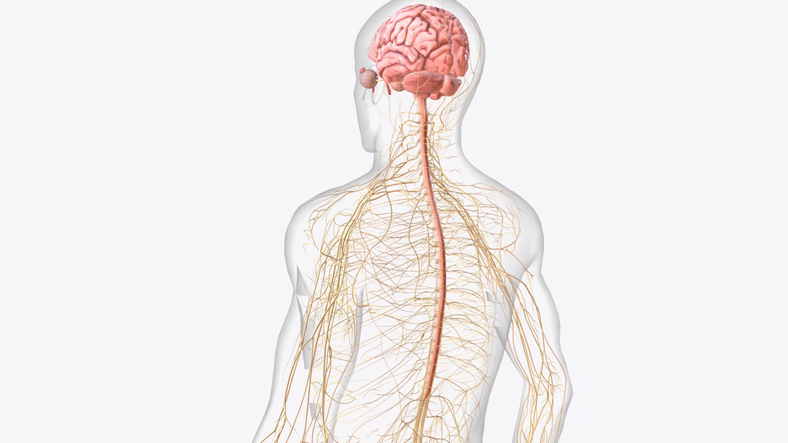
Cerveau et nerfs
Maladie du motoneurone
La maladie de Charcot (MND) est une affection neurologique qui provoque une faiblesse progressive et une atrophie de nombreux muscles du corps. Il existe différents types de maladie de Charcot. Cette brochure concerne principalement la sclérose latérale amyotrophique (SLA), qui est le type le plus courant de maladie de Charcot. Bien qu'il n'existe pas de traitement curatif pour la maladie de Charcot, des traitements peuvent aider à soulager les symptômes et la handicap.
par Dr Rachel Hudson, MRCGP
Cerveau et nerfs
le syndrome de Guillain-Barré
Le syndrome de Guillain-Barré affecte les nerfs des membres et du corps et est généralement déclenché par une infection. Le principal symptôme est une faiblesse soudaine des muscles alimentés par les nerfs affectés. Il nécessite une admission immédiate à l'hôpital car il peut rapidement devenir très grave. Avec un traitement et une surveillance appropriés, la plupart des gens se rétablissent complètement.
par Dr Colin Tidy, MRCGP
Questions fréquemment posées
What is Hand-Arm Vibration Syndrome (HAVS)?
Hand-Arm Vibration Syndrome (HAVS) is a condition that causes symptoms in the fingers, hands, and arms due to using vibrating tools. It was previously known as vibration white finger, but the name was updated to HAVS because other symptoms beyond just white fingers can occur.
How can I prevent Hand-Arm Vibration Syndrome (HAVS) if I use vibrating tools for work?
To help prevent HAVS, it's recommended to hold tools as loosely and in as many varying positions as possible, ensure tools are well maintained, and use them correctly without excessive grip or prolonged use. Taking regular breaks of at least 10 minutes away from the tool is also important, as are keeping warm—especially your hands—and not smoking, as tobacco chemicals can affect blood flow.
What should I do if I experience numbness or tingling in my fingers and I use vibrating tools?
If you suspect you have HAVS due to numbness or tingling in your fingers, you should seek medical advice. Additionally, it's important to report your concerns to your employer, your occupational health team if one is available, and, if relevant, a union representative, as employers have a responsibility to provide a safe working environment.
Can certain medicines make Hand-Arm Vibration Syndrome (HAVS) worse?
Yes, some medications can worsen circulation to the fingers, potentially aggravating HAVS. These include beta-blockers, decongestants that contain adrenaline (often found in cold and flu remedies), certain migraine pills like propranolol or ergot-derivatives, and in some women, the oral contraceptive pill.
What is the long-term outlook for Hand-Arm Vibration Syndrome (HAVS)?
The outlook for HAVS varies. If the use of vibrating tools is stopped early enough, symptoms can sometimes improve. However, if symptoms are severe, they may persist even after stopping the use of vibrating tools.
Lectures complémentaires et références
- Hand arm vibration; Exécutif de la Santé et de la Sécurité
- HSE Hand-arm vibration syndrome in Great Britain
- Advice for Employers - Hand-arm vibration; Exécutif de la Santé et de la Sécurité
- Shen SC, House RA; Hand-arm vibration syndrome: What family physicians should know. Can Fam Physician. 2017 Mar;63(3):206-210.
- Scleroderma & Raynaud's UK (SRUK)
À propos de l'auteurVoir la biographie complète
Mis à jour par

Dr Colin Tidy, MRCGP
Médecin généraliste, Auteur médical
MBBS, MRCGP, MRCP (Paediatrics), DCH
Le Dr Colin Tidy est un médecin du NHS, basé dans l'Oxfordshire.
À propos du critiqueVoir la biographie complète

Dr Toni Hazell, FRCGP
MBBS, BSc, FRCGP, DFSRH, Dip GU med, DRCOG, DCH (London, UK, 2000)
Le Dr Toni Hazell a obtenu son diplôme de l'École de médecine de l'hôpital St. Mary et a effectué son VTS à l'hôpital Northwick Park.
Historique de l'article
Article également disponible en Anglais, Allemand, Espagnol, Français, Italien, Portugais, Hindi, Hébreu, Arabe, and Suédois.
Prochaine révision prévue : 7 sept. 2027
8 sept 2024 | Dernière version
Professionnels de la santé
Looking for more in-depth clinical detail? Our Professional Reference articles are written for doctors, nurses and other healthcare professionals. They include comprehensive clinical guidance, diagnostic information and UK/European evidence summaries. If you need the clinical version, you can read the Professional Reference article on this topic.
Partagez vos pensées ou expériences avec les autres dans notre communautés de patients.
Accès simple à des traitements fiables et à des services de santé en ligne.
Common conditions
Get help with common conditions through the NHS, without a GP appointment.





Inscrivez-vous à la newsletter Patient
Votre dose hebdomadaire de conseils de santé clairs et fiables - rédigés pour vous aider à vous sentir informé, confiant et maître de la situation.
En vous abonnant, vous acceptez notre Politique de confidentialité. Vous pouvez vous désabonner à tout moment. Nous ne vendons jamais vos données.