Fourmillements
Paraesthesia
Revu par Dr Colin Tidy, MRCGPDernière mise à jour par Dr Hayley Willacy, FRCGP Dernière mise à jour 20 oct. 2024
Respecte les directives éditoriales
- TéléchargerTélécharger
- Partager
- Language
- Discussion
- Version audio
- Ajouter aux sources préférées sur Google
Numbness is a condition where you can't feel anything in part of your body, some describe it as a 'limb falling asleep'. Pins and needles are a tingling or numbness feeling or prickling sensation that is often felt in hands or feet. Usually this is due to pressure on nerves/nerve cells or the blood vessels that supply nerves. This often happens after you've been in an awkward position, like sitting cross-legged, or it may be the sign of a trapped nerve. Occasionally, it may be the sign of a more serious underlying problem such as diabetes.
The most common causes are mentioned below.
En un coup d'œil
Pins and needles occur when pressure cuts off blood supply to nerves.
Common causes include trapped nerves, diabetes, injuries, and certain medicines.
Lifestyle factors like alcohol misuse and vitamin B12 deficiency can also be causes.
Treatments depend on the cause and may involve your GP or a specialist.
Seek urgent medical help if you have sudden loss of power down one side of your body.
See a doctor for recurring pins and needles or other worrying symptoms.
Que peuvent indiquer des picotements et des engourdissements ?
Numbness and pins and needles occur when you lose normal sensation in an area of the body. This happens because pressure cuts off the blood supply to nerves that send signals about sensation to the brain. This can affect any body part- eg, hands, feet, face.
This list does not include all the possible causes of numbness/pins and needles but lists some of the more common causes, including:
Pressure
Wearing tight shoes or sitting on your foot can give you a numb foot or leg or cause pins and needles. This kind of numbness has an obvious cause, gets better when the pressure is removed and doesn't cause any further problems.
Trapped nerve
Numbness or pins and needles can also be due to a trapped nerve.
A slipped disc ou back problem can put pressure on a nerve that travels from your spinal cord, down your leg and into your toes.
A trapped nerve in the neck can also cause numbness or pins and needles anywhere from your neck, down your arms and into your fingers.
Carpal tunnel syndrome is a trapped nerve at the wrist, giving you pins and needles and pain in the hand and loss of grip - this can be associated with arthrite rhumatoïde. Around 6 pregnant women in 10 may experience this pregnancy-related cause of pins and needles in the hand.
Other examples are thoracic outlet syndrome et sténose spinale.
Diabète
Diabetes can damage small blood vessels that supply nerves in fingers and toes. This can cause tingling in hands and feet, pain or numbness in the hands and feet (peripheral neuropathy). Being unable to feel anything in your hands and feet can be dangerous, as you may stumble, drop things or not realise when you are touching something hot.
Blessure
Damage to nerve endings in fingers or toes can be the result of an injury. People who use vibrating tools a lot may also develop nerve damage and may experience pins and needles in fingers or the hands.
Médicaments
Some medicines can cause nerve damage. It is usually reversible when the medicine is stopped. The medicines include:
Certains chemotherapy medicines used to treat breast cancer and lymphoma.
Antiretrovirals used to treat HIV/AIDS (generally the older drugs rather than the ones used these days).
Diseases that damage nerves
Many medical conditions can damage the nervous system and cause areas of numbness or pins and needles. These include:
These conditions are serious but relatively rare and will all cause other symptoms in addition to the numbness/pins and needles.
Alcool
Alcohol misuse can damage nerves.
Vitamin deficiency
Carence en vitamine B12 is common among very elderly people, vegans and people with a condition called pernicious anaemia. The lack of vitamin B12 causes anaemia and nerve damage.
Traitements
Treatment will depend on the likely cause of your numbness/pins and needles. You may be asked to keep a diary of the circumstances in which they happened. Most cases will be managed by your GP but you may be referred to a hospital for further investigation and treatment.
How to get rid of pins and needles
Immédiat
Loosen any tight clothing/shoes.
Get up and shake the limb if you have been sitting/leaning on it for a long time.
Medium-long term
Minimise neck/back problems by:
Avoiding lifting heavy weights.
Avoiding repetitive movements.
Taking regular breaks at work.
Avoiding poor posture - consider doing yoga or Pilates.
Control diabetes, if you have it, with diet, medication, avoiding obesity and having regular check-ups.
Avoid excess alcohol.
Avoid vitamin B12 deficiency by eating a mixed diet or have a blood test to check whether you need supplements.
Driving is not a problem for simple numbness/pins and needles but restrictions apply if the situation is more complicated or if diagnosis is less clear. If in doubt, contact the Driver and Vehicle Licensing Agency (DVLA).
When should I be worried about pins and needles?
You should dial 999/112/911 to call an ambulance if you notice you have a loss of power down one side of your body (a possible stroke).
If the attacks of numbness/pins and needles recur or you do not make a complete recovery, you should see your doctor soon to seek medical information. You should also go if you have signs of a neurological disease (worsening loss of power or sensation in part of the body, difficulty walking, falls).
In most persistent cases, you should first see your GP. If you have lots of attacks, or you hurt yourself because of the numbness, your GP may want you to see a specialist.
Can pins and needles be dangerous?
Cela dépend de la cause sous-jacente.
Persistent numbness of the feet can lead to falls which can be serious in the elderly.
Persistent numbness of the hands can affect your grip and make you prone to burns and injury.
Who might be affected by pins and needles?
You can get numbness/pins and needles by putting pressure on a part of your body, like wearing tight shoes or sitting on your foot. People with back pain, those who have diabetes or people who use vibrating tools are more prone to develop the problem.
What investigations might I need?
The doctor will want to know more about the length of the periods of numbness/pins and needles to aid diagnosis and treatment. Is there any obvious cause? Have you started new medication? How much alcohol do you drink? Do you have diabetes? The answers will help the doctor to make a diagnosis.
Your doctor will examine you. They will check your heart, including your blood pressure and pulses in your wrists and feet. Your nervous system will be checked and you may be asked whether you can feel a pinprick or other sensations in your limbs. You may be asked to have a blood test to check for diabetes, l'anémie and vitamin B12 levels. Further tests of your heart and nervous system may be necessary.
How to prevent pins and needles
You will need to find the underlying cause and try to address it if possible.
Pressure on nerves, due to back and neck problems, is very common.
Diabetes is the most common cause of persistent numbness/pins and needles.
Sélections des patients pour Faiblesse et engourdissement des membres
Cerveau et nerfs
Sclérose en plaques
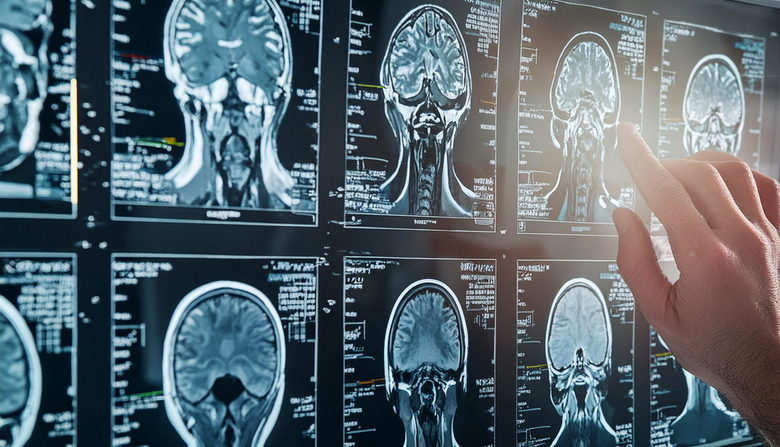
La sclérose en plaques est un trouble du cerveau et de la moelle épinière. Elle peut provoquer divers symptômes. Dans la plupart des cas, les épisodes de symptômes vont et viennent pendant plusieurs années. Avec le temps, certains symptômes peuvent devenir permanents et entraîner un handicap. Bien qu'il n'existe pas de remède pour la sclérose en plaques, divers médicaments et thérapies peuvent réduire le nombre de poussées et aider à atténuer les symptômes et le handicap.
par Dr Hayley Willacy, FRCGP
Cerveau et nerfs
Syndrome de la queue de cheval
Cauda equina syndrome is a particularly serious type of nerve root problem. This is a rare disorder where there is pressure on the nerves at the very bottom of the spinal cord. The collection of nerves at the bottom of the spinal cord is called the cauda equina because it is said to look like a horse's tail. Cauda equina means horse's tail in Latin. The condition may cause low back pain and problems with bowel and bladder function (usually not being able to pass urine), numbness in the saddle area, which is around the back passage (anus), and weakness in one or both legs. It needs urgent investigation and treatment to prevent the nerves to the bladder and bowel from becoming permanently damaged. See a healthcare professional immediately if you suspect CES.
par Dr Colin Tidy, MRCGP
Questions fréquemment posées
What is the difference between numbness and pins and needles?
Numbness and pins and needles both involve losing normal sensation in a body area. They occur when pressure cuts off the blood supply to nerves that send sensory signals to the brain.
Are there specific types of chemotherapy medicines that cause pins and needles?
Yes, some chemotherapy medicines used to treat breast cancer and lymphoma can cause nerve damage, which may lead to pins and needles. This effect is usually reversible after the medicine is stopped.
Can vitamin B12 deficiency cause nerve damage?
A lack of vitamin B12 can indeed cause nerve damage, in addition to anaemia. This deficiency is commonly seen in very elderly people, vegans, and individuals with pernicious anaemia.
What kind of injuries can lead to pins and needles?
Injuries that damage nerve endings in fingers or toes can cause pins and needles. Additionally, individuals who frequently use vibrating tools may develop nerve damage, leading to this sensation in their fingers or hands.
How can spinal issues like a slipped disc lead to pins and needles?
A slipped disc or other back problems can compress a nerve that originates from your spinal cord and extends down your leg into your toes, resulting in numbness or pins and needles. Similarly, a trapped nerve in the neck can cause these sensations anywhere from the neck down to the arms and fingers.
Lectures complémentaires et références
- Gomatos EL, Dulebohn SC, Rehman A; Sensory Neuropathy.
- Douleur cervicale - radiculopathie cervicale, NICE CKS, novembre 2023 (accès réservé au Royaume-Uni)
- Bodman MA, Varacallo M; Peripheral Diabetic Neuropathy.
- Ho T, Braza ME; Hoffmann Tinel Sign.
À propos de l'auteurVoir la biographie complète
Mis à jour par

Dr Hayley Willacy, FRCGP
Médecin généraliste, Auteur médical
MBChB (1992), DRCOG, DFFP, MRCOG (Part 1) MRCGP (2007), DFSRH (2013), MSc - medical education (2020)
Le Dr Hayley Willacy était médecin généraliste au NHS travaillant dans le nord-ouest de l'Angleterre, qui a pris sa retraite de la pratique clinique en 2022 après 30 ans.
À propos du critiqueVoir la biographie complète

Dr Colin Tidy, MRCGP
Médecin généraliste, Auteur médical
MBBS, MRCGP, MRCP (Paediatrics), DCH
Le Dr Colin Tidy est un médecin du NHS, basé dans l'Oxfordshire.
Historique de l'article
Article également disponible en Anglais, Allemand, Espagnol, Français, Italien, Portugais, Hindi, Hébreu, Arabe, and Suédois.
Prochaine révision prévue : 19 oct. 2027
20 oct. 2024 | Dernière version
Participez à la conversation
Partagez vos pensées ou expériences avec les autres dans notre communautés de patients.

Demandez, partagez, connectez-vous.
Parcourez les discussions, posez des questions et partagez vos expériences sur des centaines de sujets de santé.

Vous ne vous sentez pas bien ?
Évaluez vos symptômes en ligne gratuitement
Inscrivez-vous à la newsletter Patient
Votre dose hebdomadaire de conseils de santé clairs et fiables - rédigés pour vous aider à vous sentir informé, confiant et maître de la situation.
En vous abonnant, vous acceptez notre Politique de confidentialité. Vous pouvez vous désabonner à tout moment. Nous ne vendons jamais vos données.