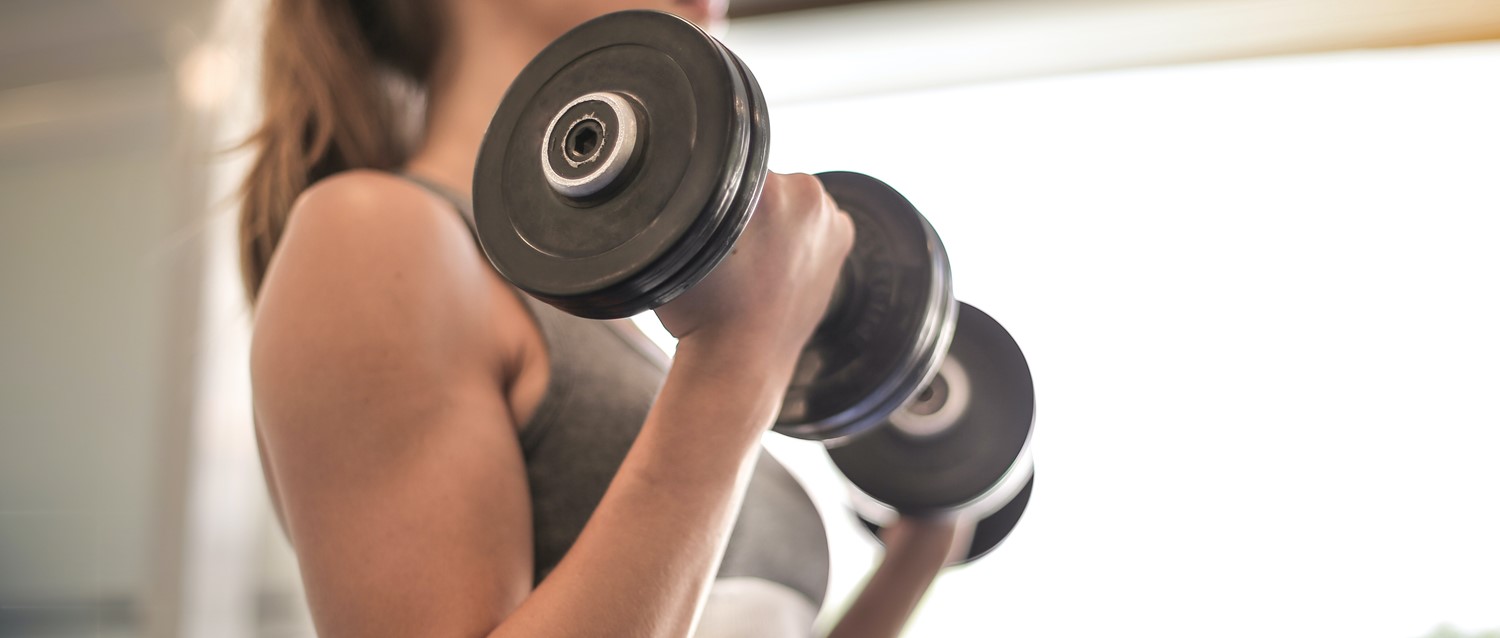
Combien de protéines avez-vous besoin pour développer vos muscles ?
Revu par Dr Sarah JarvisDernière mise à jour par Amberley DavisDernière mise à jour 9 nov. 2021
Respecte les directives éditoriales
- TéléchargerTélécharger
- Partager
- Language
- Discussion
- Version audio
- Ajouter aux sources préférées sur Google
If you wish to build muscle, there is no escaping the importance of protein. Why do we need protein to build muscle, and how much protein intake do we need to maximise muscle gain?
Protein for muscle gain
Many studies have made clear the potential muscle-building benefits achieved by consuming more protein. For example, one 2018 study found that an increased intake of protein leads to greater muscle mass gains when coupled with resistance training exercises. Other des études have also linked higher protein consumption with an improvement in muscle mass preservation.
Increasing your protein intake can be an effective way to help you gain more muscle mass - but only if you also have a muscle-building fitness routine and eat a balanced diet.
Why do we need protein for muscle growth?
Protein is a macronutrient - a nutrient we need in larger quantities - that is made up of essential amino acids. These amino acids are important building blocks for our bodies' cells and tissues, including muscle mass.
Our bodies are constantly building, maintaining, and repairing tissue. If we don't consume enough protein then amino acids that are stored in our muscle tissue will be 'stolen' in order to meet these needs elsewhere, which over time causes muscle loss.
Amino acids are also used for muscle protein synthesis (MPS), repairing and maintaining muscles after strenuous activity that causes micro-tears in our muscles. This is a natural process that happens when we exercise our muscles, and in turn it can lead to stronger muscles that are better adapted to the type of training that caused the tears.
MPS is the reason why both strength training and protein are crucial for building muscle mass. If your goal is to gain muscle, you need to be consuming more protein than your body is breaking down.
How much protein do you need to gain muscle?
La recommended daily intake of protein is 45-55 g, or around 0.8 g per kilogram (kg) of body weight. However, it is important to remember that this is defined as the minimum amount of protein you should consume in order to prevent muscle loss, rather than the recommended maximum intake.
As such, if you are an adult whose goal is to build up muscle mass through exercise, then this intake is unlikely to be enough (although it should also be noted that the estimated 45-55 g doesn't take age, height, or weight into account). Reema Patel, registered dietitian at Diététicien en Forme says:
"It is highly dependent on the individual, but if you are regularly doing resistance/weight-based training, between 1.2-2 g of protein per kg of body weight per day is a good guideline to work towards."
Many recent des études support this recommendation, with the optimum amount of protein for muscle-building appearing be around 1.8 g and 2 g per kg of body weight, which is the amount that most professional athletes aim to consume.
If you are following an intense exercise regime, you may want to consider consuming around 2 g per kg on a daily basis for the first 12 weeks of training. During this time, your body is most hard at work, breaking down muscle fibres, repairing micro-tears, and creating new structures in order to adapt to your exercise routine.
After this period, you might want to reduce your protein intake slightly to between 1.2 g and 1.6 g per kg. This is because your body is unlikely to need quite as much after it becomes more used to the muscle damage that your exercise routine is regularly inflicting.
Calculating your protein intake
As every individual is built differently, you can tailor your daily protein intake based on your weight. Better yet, knowing your body-fat percentage will allow you to calculate the protein needed per kg of lean body mass, which is a more accurate measurement.
There are many body-fat percentage calculators to help you do this. After calculating your body-fat percentage, you will need to subtract this number from your overall weight to work out your lean body mass percentage. If your aim is to build lean muscle, then it is recommended that you aim to consume around 2 g of protein per kg of lean body mass. Using a body mass index (BMI) calculator is also a useful tool for checking that you are at a healthy weight in relation to your height.
This said, for the most personalised and expert advice, Patel recommends booking a consultation with a registered dietitian who specialises in sports nutrition.
Sources of high-protein foods
It is possible to get enough protein for muscle gain by eating a balanced, healthy diet with plenty of protein-rich foods. You should aim to have a source of protein in most of your meals in order to optimise muscle gain. Healthy sources of protein include:
Poultry such as chicken.
Legumes such as beans, lentils and peas.
Oily fish such as mackerel and salmon.
Dairy products such as cheese, yoghurt and milk.
Lean meat.
Œufs.
Plant-based meat alternatives such as tofu and tempeh.
Protein supplements have also been proven to support muscle-building. However, they should be taken in addition to - and not as a substitute for - a protein-rich diet. While some des études have found that whey protein is absorbed faster than food protein, muscles can only handle around 25-35 g of protein at a time. In reality, any excess protein from an overload in protein shakes will be used by the body, but not for muscle tissue.
Other factors integral to muscle gain
It's worth reiterating that consuming the optimum amount of protein per day will only help you to build muscle when integrated with a regular strength/resistance exercise routine. It is also important to factor in adequate rest time, as this is when the maintainance, repairing and strengthening of muscles occurs through the process of MPS.
Likewise, you can follow the strictest exercise routine, but if you're not getting at least seven hours of sommeil every night, all that hard work may be going to waste. Not giving your body enough time to recover can have a big impact on muscle growth.
The time that you choose to consume protein can also positively influence muscle gain. Taking protein both before and after exercise may improve and support the MPS process.
Sélections des patients pour Nutrition
Régime et nutrition
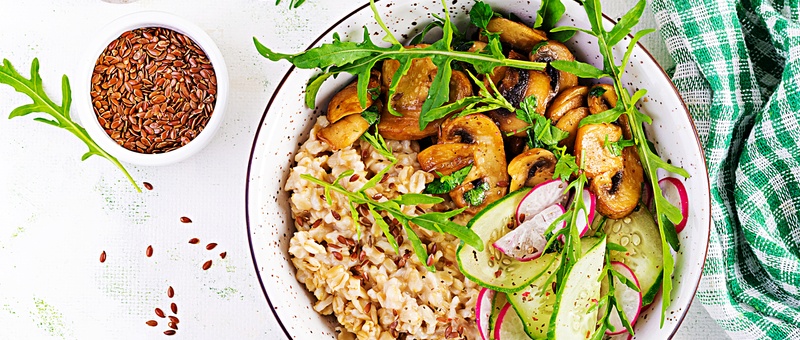
Graines de lin : une arme secrète pour la santé des femmes ?
Les graines de lin sont louées pour leurs divers avantages pour la santé - du soutien de la santé cardiaque à la régulation de la glycémie. Riches en nutriments, elles sont faciles à ajouter aux repas, produits de boulangerie et boissons. Elles gagnent également en popularité dans le domaine de la santé des femmes. Mais quels sont exactement ces bienfaits pour la santé, et que disent les experts ?
par Victoria Raw
Régime et nutrition
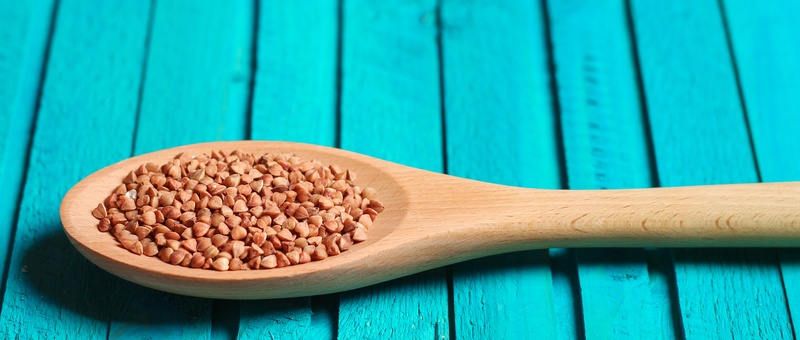
Héros des grains entiers : Pourquoi manger des grains anciens ?
Aujourd'hui, il y a peu d'aliments que nous consommons qui n'aient pas été modifiés par l'homme d'une manière ou d'une autre. Alors que les experts découvrent de plus en plus d'avantages pour la santé des aliments les plus naturels de la planète, l'attention s'est portée sur un groupe d'aliments qui n'a pas été modifié depuis des milliers d'années : les grains anciens.
par Heather Ainsworth
À propos de l'auteurVoir la biographie complète

Amberley Davis
Rédacteur senior
BA (Hons), CPD
Amberley est une rédactrice senior chez Patient et a écrit de manière approfondie sur une gamme de sujets liés à la santé et au bien-être.
À propos du critiqueVoir la biographie complète

Dr Sarah Jarvis
Consultant Clinique
MA (Cantab), BM, BCh (Oxon), DRCOG, FRCGP, MBE
Après avoir suivi une formation en médecine à Cambridge et Oxford, le Dr Sarah Jarvis MBE est devenue médecin généraliste.
Historique de l'article
Les informations sur cette page sont examinées par des cliniciens qualifiés.
Article également disponible en Anglais, Allemand, Espagnol, Français, Italien, Portugais, Hindi, Hébreu, Arabe, and Suédois.
9 nov. 2021 | Dernière version
9 nov. 2021 | Publié à l'origine

Demandez, partagez, connectez-vous.
Parcourez les discussions, posez des questions et partagez vos expériences sur des centaines de sujets de santé.

Vous ne vous sentez pas bien ?
Évaluez vos symptômes en ligne gratuitement
Inscrivez-vous à la newsletter Patient
Votre dose hebdomadaire de conseils de santé clairs et fiables - rédigés pour vous aider à vous sentir informé, confiant et maître de la situation.
En vous abonnant, vous acceptez notre Politique de confidentialité. Vous pouvez vous désabonner à tout moment. Nous ne vendons jamais vos données.
Plus sur l'alimentation et la nutrition
- Les vitamines peuvent-elles vraiment prévenir la perte de cheveux ?
- Feuille de régime pour la maladie cœliaque
- Le jus d'aloe vera aide-t-il vraiment à la santé intestinale ?
- Manger des aliments épicés aide-t-il à perdre du poids ?
- Votre corps a-t-il besoin de compléments vitaminiques ?
- Comment organiser une fête de Noël saine
- Comment améliorer votre immunité grâce à l'alimentation et au mode de vie
- Le sel est-il bon ou mauvais pour vous ?
- Votre enfant consomme-t-il trop de sucre ?
- Gérer les problèmes de santé pendant le Ramadan
- Régime Mounjaro : Aliments à consommer et à éviter
- Moyens d'améliorer votre relation avec la nourriture
- Que sont les probiotiques ?
- Qu'est-ce qu'un régime pauvre en glucides et est-il sain ?
- Qu'est-ce que le fibremaxxing - et est-ce vraiment sain ?
- Qu'est-ce que le régime BRAT et pourquoi est-il dangereux ?
- Qu'est-ce que votre microbiome intestinal ?
- Ce qu'il ne faut pas dire à quelqu'un qui est végétalien
- Quels aliments aident à combattre l'infection ?
- Pourquoi les régimes à la mode peuvent en réalité entraîner une prise de poids