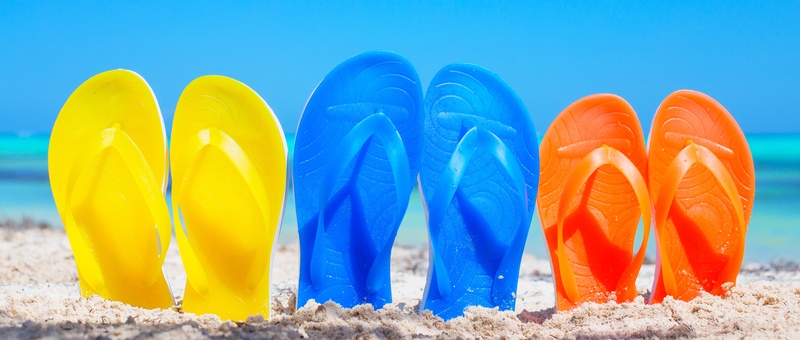
How to keep your feet healthy this summer
Peer reviewed by Dr Colin Tidy, MRCGPLast updated by Heather AinsworthLast updated 21 Jul 2025
Meets Patient’s editorial guidelines
- DownloadDownload
- Share
- Language
- Discussion
- Audio Version
- Add to preferred sources on Google
We all know about using sun cream, aftersun, and moisturiser to protect ourselves against harmful UV rays. But what about looking after one of the most hardworking and underrated parts of the body - your feet? A qualified footcare expert shares some summer foot care tips to help keep your feet healthy this summer.
Many of us do not realise that going out with bare feet during summer is often better for you than wearing flip-flops or sandals. Or that nails are made of protein and therefore as vulnerable to sun damage as our skin?
The truth is, aside from clipping our toenails and making the odd, last-ditch visit to the foot specialist (podiatrist), most of us neglect our feet.
During the summer months, they are especially vulnerable to damage from the sun. They're also susceptible to painful conditions resulting from general wear and tear - like blisters and dry, cracked skin.
How to protect your feet in the sun
"Feet can swell in the heat, so footwear that fits well at home can rub on holiday. This may cause blisters to develop," says Emma McConnachie, a podiatrist from The Royal College of Podiatry in the UK.
"Walking in sandals or flip-flops in warmer weather can really dry out our feet, especially at the heels, which can be painful."
She points out that in the summer months, many of us forget to include our feet in our sun protection regime. But it's important not to neglect them - our feet receive a lot of exposure if we're wearing flip-flops or sandals.
"If you are lying down and sunbathing on the beach, don't forget to apply sunscreen to the top of your feet, as well as your soles. Getting burnt here can be very painful."
Support your feet and prevent blisters
Flip-flops are a cool, comfy choice when walking on the beach, in the garden or around the house. However, they are not ideal for long walks or for wearing every day, as they provide very little arch support.
"The best summer sandal for frequent wear is one with straps that hold your foot in place across the top and at the back - for example, a gladiator sandal," says McConnachie. "You can also buy sandals with moulded soles that support the arch of your feet. These offer more support and are usually more comfortable than completely flat soles."
The correct choice of summer footwear can also prevent painful blisters. Caused by rubbing - especially between the toes if you're wearing flip-flops with a toe-stop - they are more common in hot weather and can last as long as seven days.
"Prevent blisters by stretching out sandals," advises McConnachie. "Wear them with socks and walk around indoors to loosen them up, or use foot balm to protect your skin from chaffing."
She explains that when it comes to dealing with a blister, you should first consider its size. If the blister is small and not causing a problem while wearing shoes, you can cover it with a plaster to avoid friction pain. Don't burst small blisters.
"If the blister is so large that you're unable to wear footwear, carefully burst it without removing the overlying skin. Ensure the area is then covered with a clean and dry dressing and keep an eye on it. If it's open and there is raw skin underneath then consider using an antimicrobial - especially if the blister is dirty or looking infected.
"Using a clean, dry dressing with a non-stick section is also advisable. Most foot blisters clear up if you're careful not to rub them."
How do I avoid verrucas and smelly feet?
Verrucas are foot warts, or small growths that commonly occur on the soles of the feet or around the toe area. They may grow inward beneath a hard, thick layer of skin (callus).
They are caused by the human papilloma virus (HPV), which is highly contagious through direct person-to-person contact. Our chances of catching it are higher during summer when our feet are more exposed. This strain of HPV virus is a different strain to the ones that are linked to cervical cancer.
"If you're susceptible to verrucas, avoid touching them and about half will clear up of their own accord within a year," says McConnachie. "An over-the-counter ointment or gel can also be used. In painful cases, if they have been present for longer than six months, or if they are spreading, visit your doctor or a podiatrist."
Although not as uncomfortable as verrucas, sweaty, smelly feet are a common and embarrassing affliction during the hot summer months. However, worry not. Preventing foot odour can be as simple as wearing open sandals when you can, or changing tights or socks at least once a day.
"Choose socks containing at least 70% cotton, wool or bamboo - although some man-made fibre socks are specifically designed to keep feet dry," adds McConnachie. "Keep your feet clean by washing them daily. Dry carefully between the toes and alternate the shoes you wear daily to allow them to dry out. If odour persists, try an antibacterial soap."
Hard heel skin and toenails
Cracked heels are painful and you may feel unsightly all year around. But especially when the weather warms up.
This is because a lot of popular summer shoes have thin soles - meaning that the fat pad on the heel receives more pressure as the foot strikes the floor.
McConnachie advises using a pumice stone or a non-metal foot file while in the shower. Alternatively, fill a bath with warm water to gently exfoliate the build-up of skin that can happen on the heels of your feet. When your skin is dry, apply a good-quality foot moisturiser. Look for one containing clinical grade urea - except between the toes.
Finally, the podiatrist shares invaluable advice on how to avoid tripping up on another of summer's common foot problems - unsightly toenails.
"When cutting toenails, it's best to use nail nippers, rather than nail cutters, because they have a smaller cutting blade and a longer handle," McConnachie explains. "Cut your nails straight across and don't cut too low at the edge or down the side - the corner of the nail should be visible above the skin. Also, it is better to cut your nails after a bath or shower when they are much softer."
Patient picks for Foot health
Foot care
How to keep your feet problem-free
They're as far away from your eyes as they can be and still be part of your body, but that's no reason to ignore your feet. They work hard every day, supporting all your weight, and a little TLC can go a long way.
by Dr Sarah Jarvis

Foot care
How to find the perfect running shoes for your feet
Whether you've only just decided to take up running, or have long been in training for a marathon, having the right pair of trainers can make a big difference in keeping injuries at bay. But before you think about buying the latest brand, always make sure you get the best advice, as I discovered on a recent shopping trip to London.
by Ross Davies
About the authorView full bio

Julian Turner
Freelance Journalist
Julian Turner is a freelance journalist and Editor of Compelo Energy.
About the reviewerView full bio

Dr Colin Tidy, MRCGP
General Practitioner, Medical Author
MBBS, MRCGP, MRCP (Paediatrics), DCH
Dr Colin Tidy is an NHS Doctor, based in Oxfordshire.
Article history
The information on this page is peer reviewed by qualified clinicians.
Article also available in English, German, Spanish, French, Italian, Portuguese, Hindi, Hebrew, Arabic, and Swedish.
Next review due: 21 Jul 2028
21 Jul 2025 | Latest version
25 Apr 2018 | Originally published
Authored by:
Julian Turner
Join the conversation
Share your thoughts or experiences with others in our patient communities.

Ask, share, connect.
Browse discussions, ask questions, and share experiences across hundreds of health topics.

Feeling unwell?
Assess your symptoms online for free
Sign up to the Patient newsletter
Your weekly dose of clear, trustworthy health advice - written to help you feel informed, confident and in control.
By subscribing you accept our Privacy Policy. You can unsubscribe at any time. We never sell your data.
More in foot care
- Anatomy of the foot
- Do your feet get smellier in winter?
- How to find the perfect running shoes for your feet
- How to keep your feet problem-free
- How to stop your child catching a verruca
- Plantar fasciitis: how to ease pain and find the right treatment
- Signs you need to see a podiatrist
- Tips to prevent common foot injuries
- Video: Foot pain exercises
- Wart and verruca treatment options
- What it's really like to live with gout
- What your shoes can tell you about your feet
- What's causing your cold hands and feet?
- What’s causing your foot pain?
- Why caring for your feet is so important if you have diabetes
- Winter foot care mistakes to avoid