How to quit smoking without gaining weight
Peer reviewed by Dr Sarah JarvisLast updated by Abi MillarLast updated 2 Jan 2019
Meets Patient’s editorial guidelines
- DownloadDownload
- Share
- Language
- Discussion
- Audio Version
- Add to preferred sources on Google
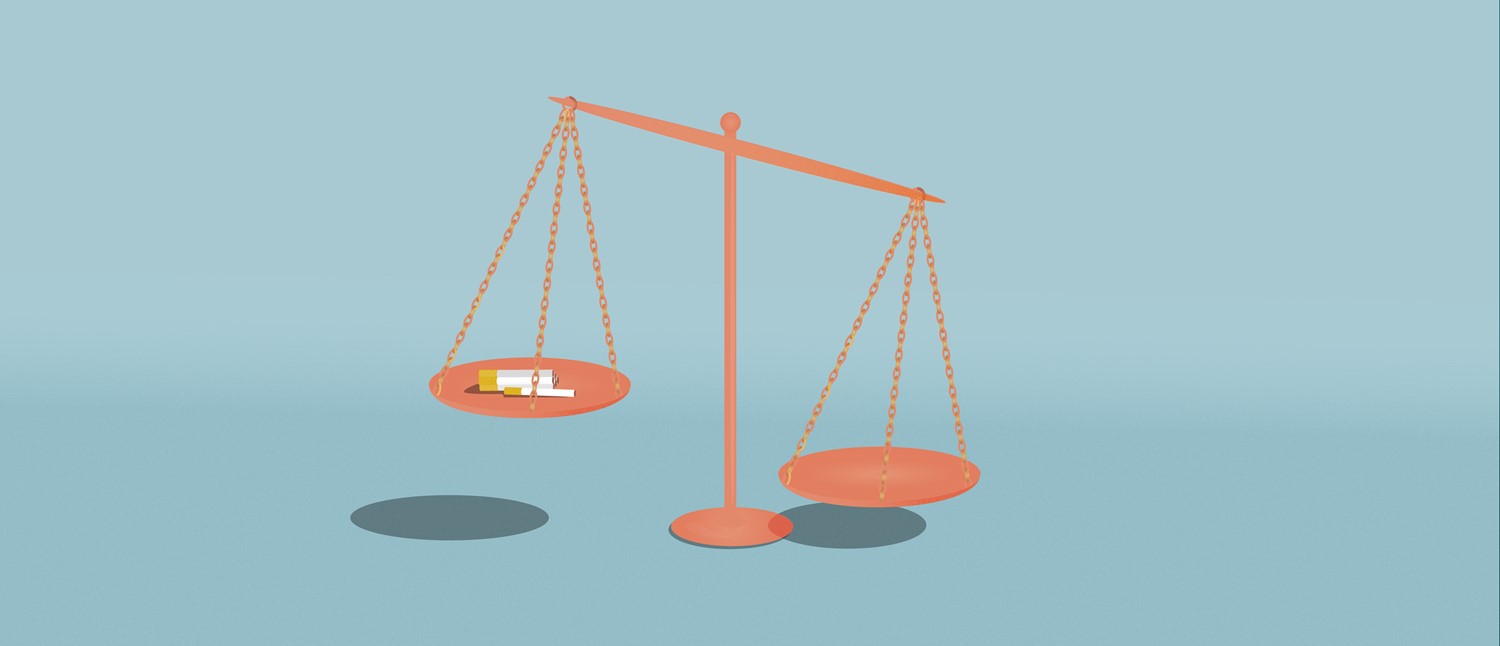
It's a common perception that stopping smoking leads to weight gain. As the thinking goes, while your heart and lungs may benefit from the change, your waistline probably won't. Unsurprisingly, many smokers worry about this eventuality, and may even be deterred from quitting.
The fear isn't altogether unfounded. According to research, smokers gain an average of 4-5 kg (9-11 lb) in the year after their last cigarette. If the weight gain is substantial, this could bring a whole new set of health problems.
However, piling on the pounds is by no means guaranteed, and the amount of weight gained is very variable. In fact, in the research cited above, 16% of former smokers actually lost weight.
"While the effects of smoking and nicotine can affect one's metabolism, the number of calories burnt and therefore your weight, the process does not automatically mean that smoking cessation will result in an increase of weight," says Dr Daniel Fenton, clinic director at the London Doctors Clinic. "The benefits from quitting smoking far outweigh the small weight gain that may or may not occur as a result."
Why weight gain may occur
For those who do gain a few pounds, there are probably a few things going on. Firstly, one of the key chemicals in cigarettes - nicotine - functions as an appetite suppressant. It also speeds up your resting metabolic rate, meaning the body burns more energy (about 200 kcal a day) than it would do otherwise.
"Nicotine acts as somewhat of a stimulant and therefore interferes with your metabolism, making it work faster through a number of effects on a variety of hormones. This results in the burning of more calories," says Fenton.
Without nicotine in your system, you would need to scale back your energy consumption slightly in order to avoid weight gain. Unfortunately, this comes at a time when your appetite is likely to increase.
It has been suggested that nicotine replacement therapy (such as a patch or gum) may help forestall these effects, although the impact doesn't appear to be very large. E-cigarettes are attracting particular attention as a possible mode of weight control.
"There are several potential mechanisms by which vaping, in addition to the direct effects of nicotine, could facilitate weight control. These include taste perception, physical mouthfeel, and sensation and behavioural replacement," said the authors of a study in the field, who noted that more research is required. (This is jargon for 'if it feels like you have a cigarette in your hand and your mouth, you're less likely to want to put cake there instead'.)
Beyond the chemical effects of the nicotine, there are a number of behavioural factors at play. If you enjoy the ritual of smoking, it may become all too easy to replace it with snacking. On top of this, many former smokers report improved flavour perception (and therefore greater enjoyment of food).
"Many replace cigarettes with mints or boiled sweets which can add extra calories to a daily intake," says Susan Short, a registered dietician and a spokesperson for the British Dietetic Association.
How to avoid it
So if you're concerned about weight gain, what should you do? Fenton suggests making quitting smoking part of a more far-reaching lifestyle change.
"Given that one of the key reasons for weight gain is the loss of appetite suppression from nicotine, it is essential to watch what you are eating," he says. "While your appetite may increase, it is important to cure your hunger with healthy fruits and snacks as opposed to calorie-rich chocolates and sweets."
Short recommends eating regular meals that are high in fibre, and drinking six to eight glasses of water a day, with a view to staving off stomach pangs. Fibre and protein-rich foods are particularly good at fending off hunger.
"If someone is finding they need to replace cigarettes with snacks then choose low-fat, low-sugar options such as fruit, unsalted nuts and seeds, oatcakes or a plain yoghurt," she says. "Carrying snacks or a pre-prepared packed lunch when out can help prevent reaching for the biscuit tin or buying cakes with the daily coffee. Keep an eye on portion sizes." And keep a pack of sugar-free gum in your pocket for emergencies, too.
Exercise is important too - not just because it boosts metabolism, but also because it can help curb cravings.
"Exercise releases the same neurotransmitters, including dopamine and noradrenaline, that are often triggered by smoking a cigarette. Clearly, this is a much better way for you to release your 'happy hormones'," says Fenton.
Why you shouldn't be concerned
It's worth mentioning that, even if some weight gain does occur, quitting smoking is still a net positive for your health. Experts concur that gaining 10 lbs or so is nowhere near as dangerous as continuing to smoke.
In one study, which looked at the smoking habits and heart health of more than 3,000 people, recent quitters cut their risk of cardiovascular disease by 53%. This was despite the fact they'd gained an average of 5-10 lbs.
A larger study, involving more than 170,000 people tracked over 20 years, found that quitters had a significantly lower risk of dying from heart disease. Even those who'd gained more than 10 kg (22 lbs) slashed their risk by a third. There was a downside to all that weight gain, in that they were more likely to develop type 2 diabetes over the medium term, but they were still at lower risk of premature death overall.
If you're still worried, rest assured that you won't keep gaining weight indefinitely and that it'll probably balance out over time.
"Studies have shown some weight gain in the initial period of smoking cessation but have also illustrated that weight typically returns to the normal weight-to-age ratio of non-smokers. This is good news," says Fenton.
He adds that people who quit smoking will see benefits almost immediately. Speak with your GP, a pharmacist or a smoking cessation nurse - they'll be able to offer support that's right for you, along with nicotine replacement products if desired.
"The World Health Organization states that your blood pressure and resting heart rate improve within 20 minutes of stopping," he says. "You will see improvements in your circulation and lung function within just a few weeks after stopping, and your risk of heart disease falls to half of that of a smoker within one year of stopping. My advice is don't be scared - take the plunge."
Patient picks for Smoking and vaping
Healthy living
How to quit smoking without gaining weight
It's a common perception that stopping smoking leads to weight gain. As the thinking goes, while your heart and lungs may benefit from the change, your waistline probably won't. Unsurprisingly, many smokers worry about this eventuality, and may even be deterred from quitting.
by Abi Millar
Healthy living
How to resist the toughest cigarette cravings
Nicotine cravings are triggered by a variety of physical and psychological factors. Knowing what these are, when they are likely to occur and how to distract yourself can go a long way towards helping smokers quit for good. We ask a GP for their advice.
by Julian Turner
About the authorView full bio

Abi Millar
Freelance Journalist
BA (Hons), MA
Abi is a freelance journalist with a special interest in health and medicine writing.
About the reviewerView full bio

Dr Sarah Jarvis
Clinical Consultant
MA (Cantab), BM, BCh (Oxon), DRCOG, FRCGP, MBE
After training in medicine at Cambridge and Oxford, Dr Sarah Jarvis MBE became a GP.
Article history
The information on this page is peer reviewed by qualified clinicians.
Article also available in English, German, Spanish, French, Italian, Portuguese, Hindi, Hebrew, Arabic, and Swedish.
2 Jan 2019 | Latest version
Join the conversation
Share your thoughts or experiences with others in our patient communities.

Ask, share, connect.
Browse discussions, ask questions, and share experiences across hundreds of health topics.

Feeling unwell?
Assess your symptoms online for free
Sign up to the Patient newsletter
Your weekly dose of clear, trustworthy health advice - written to help you feel informed, confident and in control.
By subscribing you accept our Privacy Policy. You can unsubscribe at any time. We never sell your data.
More in healthy living
- Are dance workouts good for keeping fit?
- Can a new bed improve your insomnia?
- Can exercise help with grief?
- UpdatedDoes getting good sleep really improve your skin?
- Dr Krishna Vakharia: A look back - and forward
- Hard seltzer: how healthy is it?
- How does Wegovy work for weight loss?
- How to become more flexible
- How to get into swimming safely for beginners
- How to spot the signs of cyberbullying
- New campaign helps people with chronic conditions get active
- Should parents worry about 'dry drowning'?
- Should you take Champix to help you stop smoking?
- Smoking effects on skin: from ageing to illness
- Telling current and past partners about your STI
- What are the benefits of squats?
- What does it mean to be intersex?
- What parents need to know about school entry health checks
- Why spending time outdoors can improve your health