
The best exercise if you have high blood pressure
Peer reviewed by Dr Sarah JarvisAuthored by Abi MillarOriginally published 26 Jan 2018
Meets Patient’s editorial guidelines
- DownloadDownload
- Share
- Language
- Discussion
- Audio Version
- Add to preferred sources on Google
Exercise is a great way of managing high blood pressure (hypertension). If you’re physically active, you’re likely to have a stronger heart that pumps blood with less effort, decreasing the force on your arteries. In one study, sedentary older adults who started exercising saw their systolic blood pressure drop by an average of 3.9%.
Sponsored
Patient recommends... Hilo
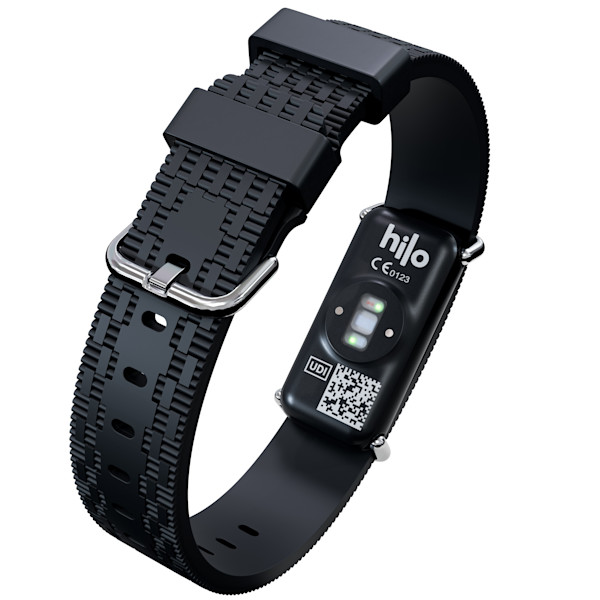
Track your blood pressure continuously, day and night - without an inflatable cuff. Traditional cuffs capture just one moment, if you remember to use them. Hilo takes about 25 readings a day, revealing how stress, meals, and activity affect your blood pressure so you can make informed choices for your wellbeing.
› Shop now
However, if you have very high blood pressure, you may feel apprehensive about upping your activity levels. It's important to make sure that the activities you choose are right for your current level of fitness.
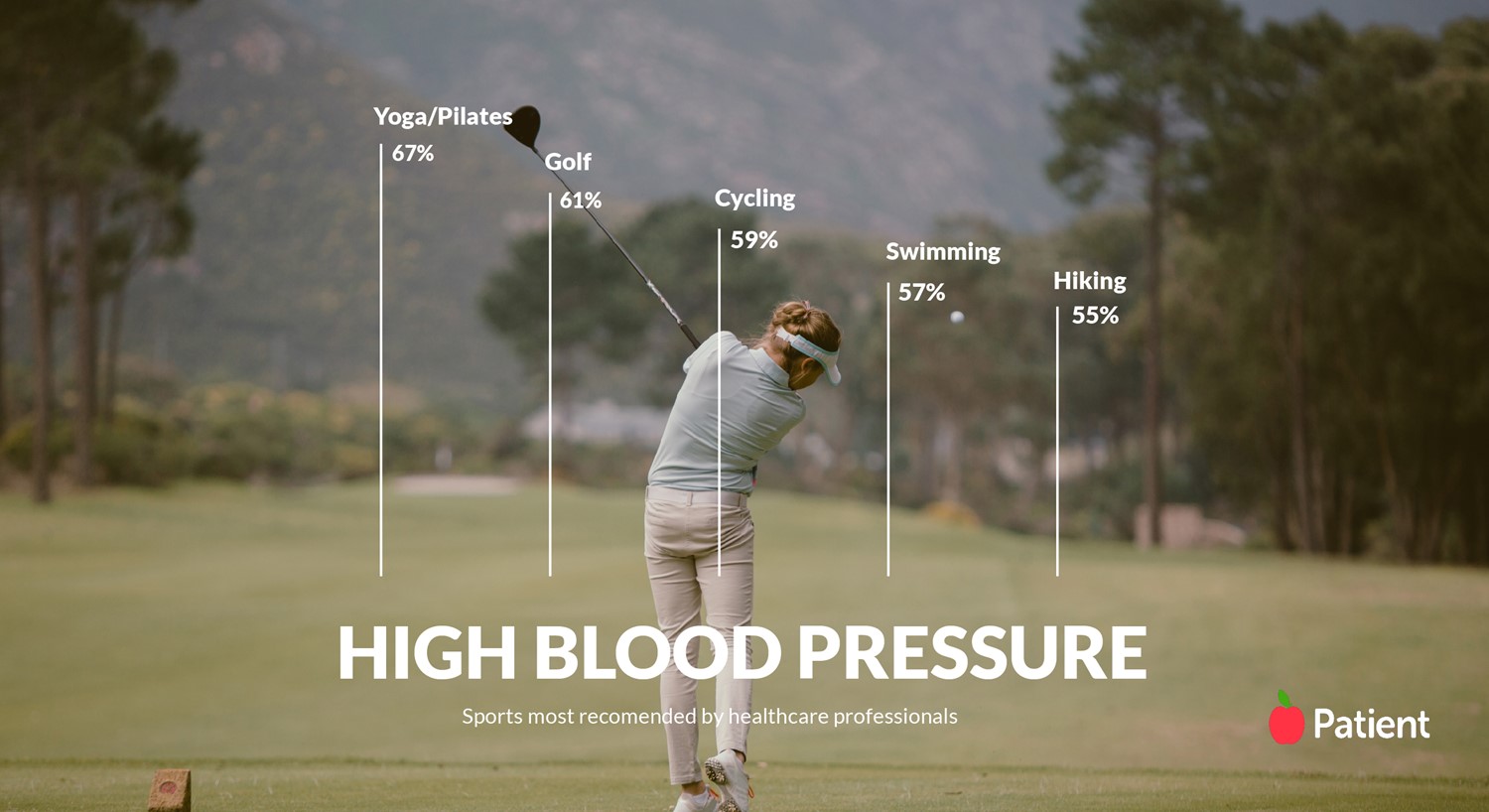
In our recent Patient survey of 281 healthcare professionals, doctors typically favoured low-impact, moderate exercises for people with hypertension. The leading activity was yoga/Pilates (recommended by 66% of doctors), followed by golf (61%), and cycling (59%). The least recommended exercises were squash (25%), skateboarding/rollerblading (23%) and rugby (21%).
"When it comes to activities that are good for your blood pressure, these include cycling, swimming, tennis and jogging," says Katharine Jenner, CEO of Blood Pressure UK. "In comparison, things such as weightlifting, squash, scuba diving and sprinting are not good for your blood pressure. It's good to see some of these activities listed in the Patient survey."
We asked healthcare professionals which are the best sports for high blood pressure
Focus on moderate activity
People with hypertension, she adds, should focus on activities that help the heart and blood vessels. Above all this means aerobic exercise - anything that makes you feel a little warmer, and causes you to breathe a little harder. This could include something as simple as digging in your garden or going for a walk.
However, it's important to be aware that your blood pressure will rise slightly during exercise (albeit returning to normal afterwards). This means it's best to work out at a moderate level. You can gauge the intensity by trying to talk to an exercise partner - if you can't hold a conversation without panting, you're working too hard!
"You should not do any activity that is very intensive for short periods of time, such as sprinting or weightlifting," says Katharine Jenner. "These kinds of exercises may quickly raise your blood pressure, and put unwanted strain on your heart and blood vessels."
Get into golf
Golf, which came second in our survey, is a sensible activity choice for most people with hypertension. It has clear cardiovascular benefits, with players walking between four and eight miles over the course of a single game.
"We're delighted to hear the results of this survey because they underline our own research which shows that golf can help people be healthier and happier," says Richard Flint, participation and club support director at England Golf. "We co-commissioned a report from Sheffield Hallam University on the benefits of golf for society, and one of the major findings was about improved health. It showed that players aged 55 and over have a significantly reduced risk of dementia and coronary heart disease."
England Golf has a campaign called Get into Golf, which gives people the chance to find and book taster, beginner and improver sessions.
In praise of Pilates
Meanwhile, yoga and Pilates, which topped our survey, are known for reducing tension and stress, which can lower blood pressure in the short term. They are also good for building strength and flexibility, making them an excellent complement to your aerobic activities.
"If you have blood pressure problems, Pilates can be very beneficial as many of the exercises are mat-based," says Lynne Robinson, founder and director of Body Control Pilates and author of The Pilates Bible and Pilates for Life. "You are exercising in a supported position, and because the movements are performed slowly with control they should not cause any sudden rise in blood pressure."
Although the relationship between stress and hypertension is far from clear, we know that many of the behaviours associated with stress (like overeating and drinking too much alcohol) increase your risk. If you do yoga or Pilates for stress management, you may be less prone to these 'maladaptive' coping mechanisms, lowering your risk of high blood pressure overall.
Get advice from your doctor
Most people with high blood pressure (ie those with a reading between 140/90 and 179/99) should be able to start an exercise programme without too much trouble. But make sure you know where you stand - if your blood pressure is much higher than that, you may need to exert some caution.
"Your doctor or nurse may prefer to lower it with medicines before starting you on an exercise programme," says Katharine Jenner. "If your blood pressure is very high, you should not start any new activity. To be safe, it is always a good idea to get advice from your doctor or nurse before you start any new physical activity."
Patient picks for Blood pressure

Heart health and blood vessels
High blood pressure in mid-30s could shrink your brain
A rise in blood pressure between your 30s and 40s is linked to poorer brain health in later life, suggest researchers at University College London.
by Ashwin Bhandari
Heart health and blood vessels
DASH diet - healthy eating that helps lower blood pressure
The DASH diet is a heart-healthy diet that lowers blood pressure and cholesterol. Far from being specialist, this eating plan can benefit many people - whether you're looking to improve poor heart health, manage a related condition, or protect yourself against future health problems.
by Lynn Stephen
Frequently asked questions
What type of exercise is considered 'moderate' for someone with high blood pressure?
Moderate activity is anything that makes you feel a little warmer and breathe a little harder. You can check if you're exercising at a moderate level by trying to hold a conversation with an exercise partner; if you can talk without panting, you're likely working at the right intensity.
Are there any specific exercises that someone with high blood pressure should definitely avoid?
Yes, certain activities should be avoided. These include very intensive exercises for short periods, such as sprinting and weightlifting. Other activities mentioned as not good for blood pressure are squash, scuba diving, skateboarding/rollerblading, and rugby.
Why is golf considered a good activity for people with high blood pressure?
Golf is beneficial because it involves walking significant distances, typically four to eight miles per game, which provides cardiovascular benefits. It's often viewed as a sensible choice for most individuals with hypertension.
How can Pilates help manage high blood pressure?
Pilates is known for reducing tension and stress, which can lead to a short-term reduction in blood pressure. Many exercises are mat-based and performed slowly with control, which helps prevent sudden increases in blood pressure. It also builds strength and flexibility.
If I have very high blood pressure, should I still try to exercise?
If your blood pressure is very high (e.g., 180/100 or above), it's important not to start any new activity without medical advice. Your doctor or nurse may recommend lowering your blood pressure with medication first before you begin an exercise programme. Always get advice from your doctor or nurse before starting new physical activities if you have high blood pressure.
About the authorView full bio
Authored by

Abi Millar
Freelance Journalist
BA (Hons), MA
Abi is a freelance journalist with a special interest in health and medicine writing.
About the reviewerView full bio

Dr Sarah Jarvis
Clinical Consultant
MA (Cantab), BM, BCh (Oxon), DRCOG, FRCGP, MBE
After training in medicine at Cambridge and Oxford, Dr Sarah Jarvis MBE became a GP.
Article history
Article also available in English, German, Spanish, French, Italian, Portuguese, Hindi, Hebrew, Arabic, and Swedish.
26 Jan 2018 | Originally published
Authored by:
Abi MillarPeer reviewed by
Dr Sarah Jarvis
Join the conversation
Share your thoughts or experiences with others in our patient communities.

Ask, share, connect.
Browse discussions, ask questions, and share experiences across hundreds of health topics.

Feeling unwell?
Assess your symptoms online for free
Sign up to the Patient newsletter
Your weekly dose of clear, trustworthy health advice - written to help you feel informed, confident and in control.
By subscribing you accept our Privacy Policy. You can unsubscribe at any time. We never sell your data.