Comment traiter les cloques de coup de soleil
Revu par Dr Krishna Vakharia, MRCGPDernière mise à jour par Victoria RawDernière mise à jour 10 juin 2024
Respecte les directives éditoriales
- TéléchargerTélécharger
- Partager
- Language
- Discussion
- Version audio
- Ajouter aux sources préférées sur Google
Hot weather seems like the best time to soak up the sun, work on a tan or play outdoors. But warmth and heat can be dangerous. Sunburn can sometimes blister, causing pain and infection. What causes sunburn blisters? How do you treat them and should you really pop them?
While sunlight provides health benefits such as increasing vitamin D levels, it can also cause problems such as sunburned skin, sunburn blisters, peeling skin and other symptoms such as headache or feeling sick (sun poisoning)1. Excessive exposure to sunlight can also increase your chances of getting heat stroke, and even lead to cancer de la peau.
Sunburn blisters cause a lot of pain and damage to your skin. Without proper treatment, they can become infected, causing tissue damage and scarring. Detecting sunburn blisters early, spotting signs of infection, and choosing the best treatments can help them heal quickly.
What are sunburn blisters?
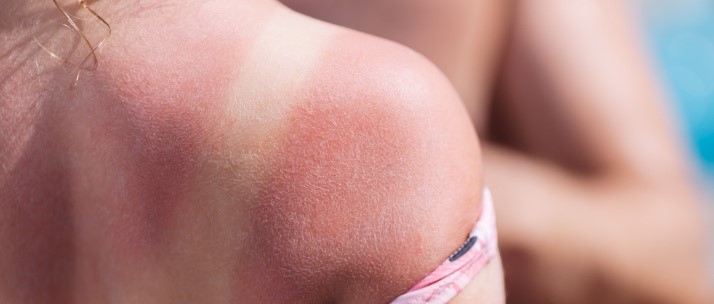
Sunburn blisters are skin injuries caused by second-degree sunburn. They occur when the sun burns and damages tissues in the skin. They appear as small, fluid-filled, painful, raised bumps, covered by a layer of skin. Sunburn blisters develop around 6 - 24 hours after excessive exposure to sunlight. They can be very itchy.
Why does sunburn blister?
Blisters can form when your skin is severely exposed to the sun's heat and UV (ultraviolet) rays. This causes UV damage and severe burning, which harms blood vessels and other tissues in your skin, causing their fluid to leak out. When the leaked fluid collects, blisters form - the result is a sunburn blister.
People with lighter skin tones are more likely to have blisters than those with darker skin tones. That's because darker skin has higher levels of melanin, which helps to protect the skin against UV rays.
Do sunburn blisters scar?
Sunburn blisters are unlikely to scar if they are mild, affect a small area, and remain uninfected. However, they can scar if the blisters are severe, extensive, or if they become infected.
How should you treat a sunburn blister?
You can treat sunburn blisters at home or in a clinic. The way you treat them depends on how bad the blistering is and if there are other symptoms of illness:
Home treatment is fine for mild to moderate sunburn blisters that cover a small area of skin with no other symptoms of ill health.
You should seek medical attention if severe sunburn blisters affect large areas of skin or are followed by other symptoms of illness.
How to treat sunburn blisters at home
When treating sunburn blisters at home, you should aim to relieve pain, prevent infection, and promote healing.
Here's how to do this:
Take pain relief medication such as paracetamol or ibuprofen.
Cover the blister - or blisters - with cold, damp compresses.
Apply a moisturiser containing aloe vera.
Drink plenty of water to prevent dehydration.
Wear sun-protective, or moisture wicking clothing such as long-sleeved shirts and sun hats.
You should avoid:
Further exposure to sunlight.
Picking the blisters.
Applying oil, rubbing alcohol or petroleum jelly - such as Vaseline - to blisters.
Vigorous scrubbing.
Scratching blisters.
Should you pop a blister from sunburn?
Dr Paul Banwell, a cosmetic surgeon with the Banwell Clinic in East Grinstead, says: "You really should not pop the blisters because blisters form to help your skin heal and protect you from infection."
Popping a sunburn blister makes it easier for it to become infected. The intact blister covers the damaged skin underneath and provides a space for it to heal. Popping it disrupts that space and exposes the damaged skin to germs, causing an infected blister.
Signs of an infected blister include:
The blister is filled with cloudy green or yellow pus.
The skin around the blister looks red and swollen.
The blister feels almost hot to the touch.
What to put on a popped sunburn blister
Sometimes sunburn blisters pop on their own. When this happens, you should:
Lavez-vous les mains.
Gently clean the area.
Cover them with an antibiotic ointment.
Wrap them in a non-stick gauze bandage.
Keep them dry.
How to prevent sunburn from blistering
Once the skin has suffered from un coup de soleil blisters, you can't reverse it. So, the best way to prevent blisters is to not get sunburnt in the first place.
You can prevent sunburn by:
Staying indoors between 11am and 4pm when the sun is at its highest.
Applying a generous amount of sunscreen with a sun protection factor (SPF) of 30 or more whenever you are outdoors every 2 hours at least.
Reapplying sunscreen after swimming, baths, or excessive sweating.
Wearing protective clothing such as long-sleeved loose tops, sunglasses, and wide-brimmed hats.
Taking extra precautions when taking medicines that increase sun sensitivity.
How long do blisters from sunburn last?
Mild to moderate blisters can heal in about a week. After the healing process, they may leave coloured dark or light spots on your skin for up to a year.
Severe sunburn blisters can take longer than a week to heal. If your sunburn blisters don't heal in seven days, contact your doctor. They may prescribe a course of antibiotic ointment, or a sterilised needle may be inserted into the blister to allow the fluid to drain.
Excessive sun burn exposure, burns and blisters cause long term skin damage which could lead to skin cancer so it is important to take measures to prevent this from happening.
Pour en savoir plus
Sélections des patients pour Soleil et coups de soleil
Santé de la peau, des ongles et des cheveux
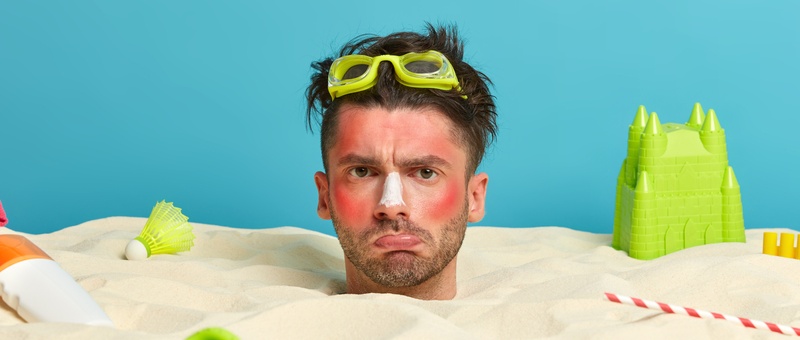
Comment traiter un coup de soleil à la maison
La plupart d'entre nous faisons attention à suivre les recommandations pour se protéger du soleil. Mais si vous oubliez d'appliquer ou de réappliquer de la crème solaire ou si vous restez un peu trop longtemps au soleil, il est important de savoir comment traiter un coup de soleil à la maison.
par Lawrence Higgins
Santé de la peau, des ongles et des cheveux
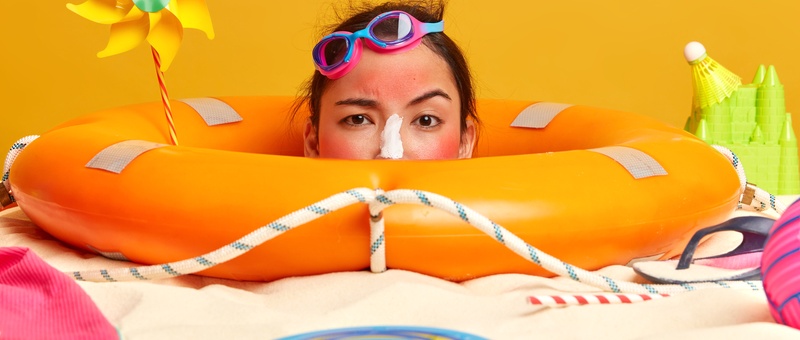
À quoi sert l'après-soleil et en avez-vous vraiment besoin ?
Visitez n'importe quelle plage britannique en été et vous verrez probablement un paysage de corps brûlés par le soleil, roses et rouges. Passer du temps au soleil peut surprendre même les plus fidèles utilisateurs de crème solaire de temps en temps. L'après-soleil ne peut pas inverser les dommages causés par le soleil, mais ses ingrédients apaisants et hydratants peuvent atténuer les symptômes de coup de soleil à court terme.
par Lynn Stephen
À propos de l'auteurVoir la biographie complète

Dr Nsisong Asanga, MPH
MPH
Dr Nsisong Asanga is a physician, editor and writer. Her work has appeared in WebMD, Amerisleep, VeryWell Health and other places. She tweets @Ncbassey.
À propos du critiqueVoir la biographie complète

Dr Krishna Vakharia, MRCGP
Médecin-chef pour la santé, Optum UK
MBChB, MRCGP(2013), BMedSci (hons), DFSRH, DRCOG, PGDipDerm (Distn)
Le Dr Krishna Vakharia est un médecin généraliste du NHS. Elle est également examinatrice régulière pour le diplôme de troisième cycle en dermatologie pratique à l'Université de Cardiff, ainsi que médecin-chef pour la santé chez Optum UK.
Historique de l'article
Les informations sur cette page sont examinées par des cliniciens qualifiés.
Article également disponible en Anglais, Allemand, Espagnol, Français, Italien, Portugais, Hindi, Hébreu, Arabe, and Suédois.
Next review due: 10 Jun 2027
10 juin 2024 | Dernière version
22 sept 2022 | Publié à l'origine
Écrit par :
Dr Nsisong Asanga, MPH

Demandez, partagez, connectez-vous.
Parcourez les discussions, posez des questions et partagez vos expériences sur des centaines de sujets de santé.

Vous ne vous sentez pas bien ?
Évaluez vos symptômes en ligne gratuitement
Inscrivez-vous à la newsletter Patient
Votre dose hebdomadaire de conseils de santé clairs et fiables - rédigés pour vous aider à vous sentir informé, confiant et maître de la situation.
En vous abonnant, vous acceptez notre Politique de confidentialité. Vous pouvez vous désabonner à tout moment. Nous ne vendons jamais vos données.
Plus sur la santé de la peau, des ongles et des cheveux
- Les greffes de cheveux peuvent-elles améliorer la santé mentale ?
- Votre peau peut-elle vraiment devenir dépendante des crèmes stéroïdes ?
- Gérer la dépression et l'anxiété causées par l'acné adulte
- Eczéma chez les enfants : comment apaiser votre enfant
- Comment prendre soin de la peau noire en hiver
- Comment distinguer l'acné des autres problèmes de peau
- Comment traiter une piqûre de taon
- Comment traiter un piercing infecté
- Augmentation des cas de gale à travers le Royaume-Uni
- Scarlatine : les conseils d'un médecin
- La routine de soins pour hommes la plus simple
- Quelles sont les causes courantes des éruptions cutanées estivales ?
- Quelles sont les causes de la calvitie masculine ?
- Qu'est-ce que le skinimalisme, et est-ce bon pour votre peau ?
- Que faire si le psoriasis vous déprime
- Que faire lorsque votre enfant a une éruption cutanée
- Ce que vos ongles révèlent sur votre santé
- Pourquoi les hommes sont-ils moins enclins à porter de la crème solaire ?
- Pourquoi nous avons besoin de meilleurs soins pour les personnes atteintes d'eczéma