Qu'est-ce que la chirurgie bariatrique ?
Revu par Dr Colin Tidy, MRCGPRédigé par Victoria RawPublié à l'origine 20 Aug 2025
Respecte les directives éditoriales
- TéléchargerTélécharger
- Partager
- Language
- Discussion
- Ask Patient
- Version audio
- Ajouter aux sources préférées sur Google
À mesure que les injections pour la perte de poids gagnent en popularité, de plus en plus de personnes recherchent différentes méthodes pour gérer l'obésité et améliorer leur santé. Une méthode qui reçoit généralement moins d'attention est la chirurgie bariatrique - une procédure médicale qui peut être aussi efficace que les médicaments pour la perte de poids dans le soutien à la santé et à la gestion du poids à long terme.
Explore medical weight management options
Get expert healthcare advice from the comfort of home. Complete a quick online consultation, available 24/7, with your request reviewed by a UK-registered clinician. Next day delivery available on eligible treatments.

Qu'est-ce que la chirurgie bariatrique ?
Bariatric surgery is a type of weight loss surgery that some people may be eligible for if they have obesity. This is usually when traditional lifestyle changes - such as diet and exercise - have not helped them lose weight.
Dr Peter Vasas, Consultant Bariatric Surgeon, Practice Plus Group Hospital, Barlborough, UK says that weight loss surgery can make a real difference to a person's life - not just as a weight reduction method, but it also has a positive effect on health conditions related to l'obésité.
"It has an amazing outcome on hypertension artérielle et diabète de type 2," he explains. "Surgery should always be a last resort when diets and exercise have failed to help maintain weight."
Dr Peter Vasas, Consultant Bariatric Surgeon, Practice Plus Group Hospital, Barlborough, UK

What are the 4 types of bariatric surgery?
There are four main types of weight loss surgery. Each is designed to either reduce the amount of food you eat or limit your calorie intake to support long-term weight loss.
Roux-en-Y (gastric bypass surgery) - a small stomach pouch is made and connected to the bottom of your small intestine. This effectively 'bypasses' a portion of your small intestine. As a result, you'll feel satisfied with less food, and your body will absorb fewer nutrients and calories from what you eat.
Gastric band - a silicone band is placed around the top of your stomach, creating a small pouch above it. This band can be tightened or loosened, acting like an adjustable belt to control how much food you can eat.
Gastric balloon - a soft balloon is inserted into your stomach, usually by swallowing it while it's attached to a thin tube. Once in place, the balloon is filled with salt water (saline) to partially fill your stomach and help you feel full more quickly.
Sleeve gastrectomy (gastric sleeve surgery) - makes your stomach smaller to around a fifth of its original size. This means you'll eat less and feel full faster.
What does bariatric surgery do to you?
Bariatric surgery is generally considered a lifelong intervention that, depending on your type of procedure, makes permanent changes to your digestive system. This approach is considered a more long-term measure compared to weight loss injections.
Vasas says that, after surgery, people tend to lose weight quickly.
"This is around a stone a month for the first nine months - and the total outcome is usually reached in 18 months," he explains. "It can reverse diabetes, improve high blood pressure, and help l'apnée du sommeil. Emotionally, patients often feel able to do things they couldn’t before. It opens up a completely different lifestyle, from swimming to skiing."
Where can you get bariatric surgery?
In the UK, bariatric surgery is available through both the NHS and private healthcare providers. If you're going through the NHS, your wait time can be anywhere from 1-3 years. However, if you choose private treatment, the procedure can often be arranged within a few weeks.
Do I qualify for bariatric surgery?
Vasas explains you must meet specific criteria outlined by the National Institute for Health and Care Excellence (NICE) to be eligible for weight loss surgery. You must also be ready to show you've tried loosing weight through more conventional meals - such as diet, exercise, and medicines - for at least 6-12 months.
"Everyone goes through a full pre-op assessment to make sure it's right for them," he says. "Typically, candidates are people with a indice de masse corporelle (IMC) between 35 and 45, or down to 30 if they have weight-related medical conditions such as newly diagnosed diabetes."
Is bariatric surgery safe?
When carried out by accredited healthcare providers in a safe and hygienic environment, bariatric surgery follows a carefully structured and regulated process.
"Of course, there can be side effects - especially if the surgery is done abroad," Vasas warns. "I've performed emergency surgery on people who have had it done overseas. Flying soon after surgery can lead to infection, or even the stomach opening up."
Vasas advises that to prevent weight regain, you must follow a two-year aftercare program which includes support from a dietitian, nutritional guidance, and regular check-ups.
"Surgery gives long-term change," he adds. "But you must also follow the lifestyle and dietary advice to keep the results."
Preparing for surgery and what to expect
Before weight loss surgery can be approved, you will undergo a pre-operative assessment that reviews your medical history, dietary habits, and overall suitability for the procedure. If you meet the necessary criteria, you will need to adjust your diet beforehand.
Vasas says: "After surgery, there’s a 6-8 week adaptation period. First comes two weeks of a liquid diet - soups and liquid yoghurt - then soft foods, and eventually you return to eating normal foods in smaller amounts.
"By 6-8 months, most people are enjoying their usual meals with reduced volume. Recovery begins quickly - many return to light activities within weeks. People are often surprised that they don’t vomit or feel ill - they just get full sooner and naturally eat less."
What care is needed after bariatric surgery?
After surgery, you'll need to make long-term changes to the way you eat - a commitment that lasts a lifetime. Your doctor will provide detailed guidance on how to eat and drink, including advice on alcohol consumption and portion control.
You’ll need to check in regularly with your weight loss clinic for at least two years and have a blood test once a year to monitor your health. It’s also really important to take your daily vitamin and mineral supplements - skipping them can lead to serious health issues over time.
"Regular contact with a dietitian can provide advice on nutrition, minerals, and vitamins," says Vasas. "You can still enjoy food - just in smaller amounts."
Vasas concludes by saying that though injection pour la perte de poidss, such as Ozempic, have their place, he does not believe they are sustainable in the long term.
"After one or two years, the weight loss often diminishes, leading people to return in search of surgery," he explains. "Injections can be costly, and they are necessary for life if you don't change your lifestyle. In contrast, surgery alters your body and hormones permanently."
Explore medical weight management options
Get expert healthcare advice from the comfort of home. Complete a quick online consultation, available 24/7, with your request reviewed by a UK-registered clinician. Next day delivery available on eligible treatments.
Sélections des patients pour Traitements et chirurgie pour la perte de poids
Traitement et médicaments
Qu'est-ce que les injections pour la perte de poids et sont-elles sûres ?
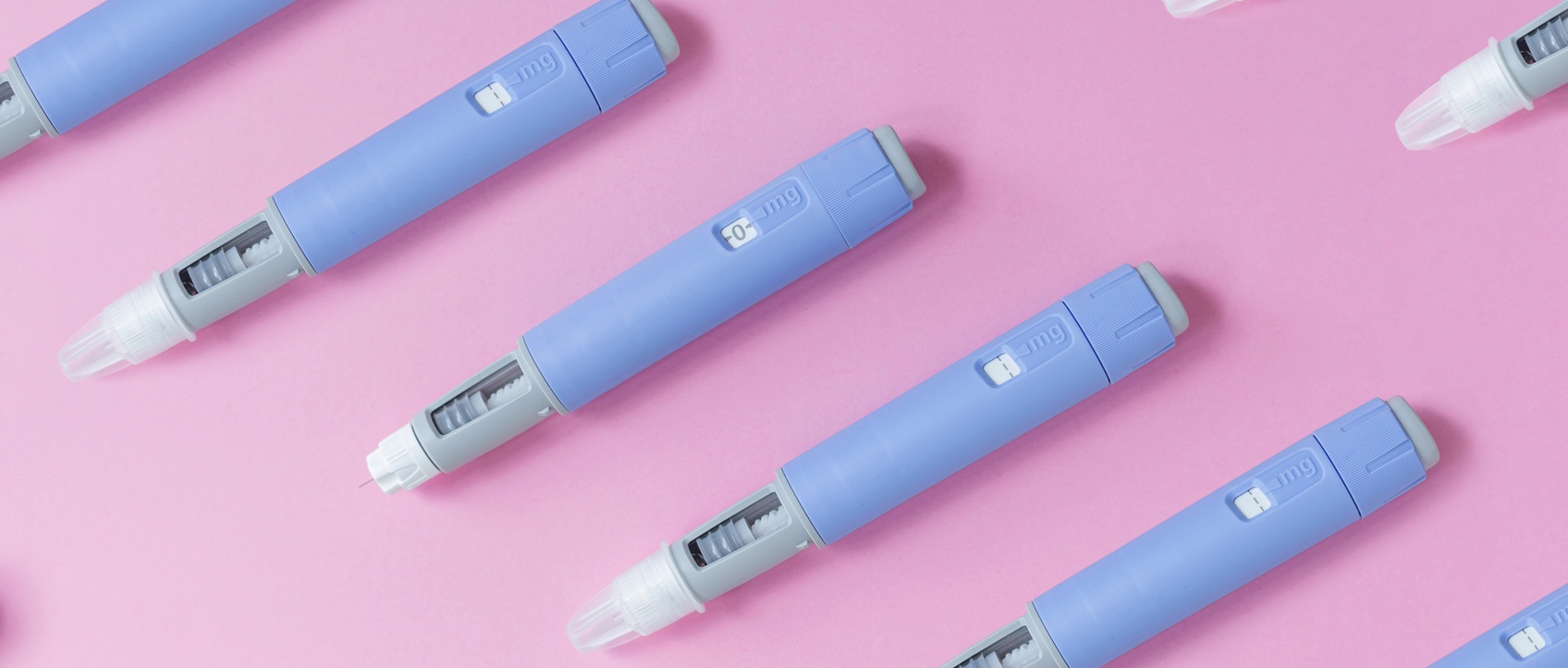
Les injections pour la perte de poids ont été utilisées par des célébrités comme Amy Schumer, Meghan Trainor et Rebel Wilson - mais sont-elles vraiment une option pour tout le monde ? Le gouvernement britannique élargit l'accès aux injections pour la perte de poids à certaines personnes afin de réduire les maladies liées à l'obésité. Cela signifierait que certaines injections dites "minceur" - comme Wegovy - pourraient être administrées dans votre clinique locale plutôt qu'à l'hôpital. Ici, nous examinons quelles injections pour la perte de poids sont déjà disponibles, lesquelles pourraient bientôt l'être, et ce que cela implique d'avoir ces injections.
par Victoria Raw

Mode de vie sain
10 habitudes quotidiennes pour une perte de poids saine
Équilibrer un emploi du temps chargé avec des objectifs de perte de poids peut sembler accablant. Mais la bonne nouvelle, c'est que de petits changements peuvent faire une grande différence. Les experts s'accordent à dire qu'introduire des étapes simples dans votre routine quotidienne peut vous aider à perdre du poids de manière saine.
par Victoria Raw
À propos de l'auteurVoir la biographie complète
Rédigé par

Victoria Raw
Auteur de chroniques
Licence (Hons), Littérature anglaise
Victoria est rédactrice de contenu chez Patient, avec des intérêts particuliers couvrant le bien-être mental, les tendances sociétales et l'impact de la technologie sur notre santé.
À propos du critiqueVoir la biographie complète

Dr Colin Tidy, MRCGP
Médecin généraliste, Auteur médical
MBBS, MRCGP, MRCP (Paediatrics), DCH
Le Dr Colin Tidy est un médecin du NHS, basé dans l'Oxfordshire.
Historique de l'article
Article également disponible en Anglais, Allemand, Espagnol, Français, Italien, Portugais, Hindi, Hébreu, Arabe, and Suédois.
Prochaine révision prévue : 20 août 2028
20 Aug 2025 | Publié à l'origine
Écrit par :
Victoria RawRevu par
Dr Colin Tidy, MRCGP
Partagez vos pensées ou expériences avec les autres dans notre communautés de patients.
Accès simple à des traitements fiables et à des services de santé en ligne.
Common conditions
Get help with common conditions through the NHS, without a GP appointment.





Inscrivez-vous à la newsletter Patient
Votre dose hebdomadaire de conseils de santé clairs et fiables - rédigés pour vous aider à vous sentir informé, confiant et maître de la situation.
En vous abonnant, vous acceptez notre Politique de confidentialité. Vous pouvez vous désabonner à tout moment. Nous ne vendons jamais vos données.