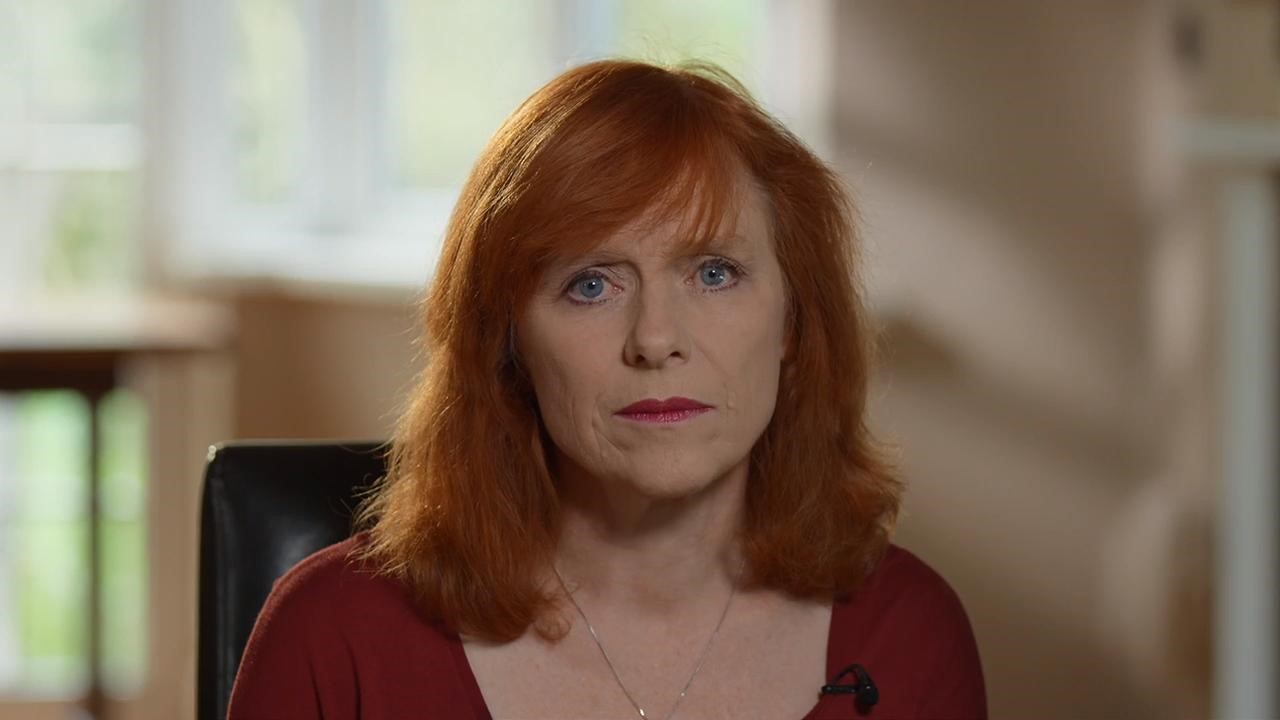
Video: Are fibroids cancerous?
Peer reviewed by Dr Krishna Vakharia, MRCGPLast updated by Lydia SmithLast updated 2 Aug 2023
Meets Patient’s editorial guidelines
- DownloadDownload
- Share
- Language
- Discussion
- Audio Version
- Add to preferred sources on Google
Any growth in your womb can be worrying, but fibroids are generally not a cause for major concern. However, they can lead to many questions - which our expert Dr Sarah Jarvis has answered below.
Playlist: Fibroids Q&A
9 videos
Are fibroids cancerous?
Dr Sarah Jarvis
Are fibroids cancerous?
Dr. Sarah Jarvis

Can fibroids cause miscarriages?
Dr. Sarah Jarvis

Can fibroids cause infertility?
Dr. Sarah Jarvis

How many fibroids is too many?
Dr. Sarah Jarvis

How many fibroids can a woman have?
Dr. Sarah Jarvis

How are fibroids removed?
Dr. Sarah Jarvis

How big can fibroids grow?
Dr. Sarah Jarvis

Do fibroids shrink after menopause?
Dr. Sarah Jarvis

Do fibroids bleed?
Dr. Sarah Jarvis
Are fibroids cancerous?
Fibroids are growths of the muscle that lines the womb, but they are not cancerous nor do they ever turn into cancer. In fact, around two in three women who have fibroids never even know that they have them.
Can fibroids cause miscarriages?
Often, fibroids and miscarriages aren’t connected. Occasionally, however, fibroids may reduce the amount of blood supply to an embryo or make it difficult for that embryo to implant and grow, which can lead to a miscarriage.
Can fibroids cause infertility?
Fibroids are really common. Around one in four women get them at some stage and in the vast majority of cases, they don’t cause fertility problems. Sometimes, though, fibroids can stop sperm from being able to get into the womb effectively.
Sometimes they can block the entrance to the fallopian tubes which is where the fertilised egg comes down in order to get into the womb. And in some cases, especially if you have lot of fibroids, it can make it difficult for that fertilised egg to find anywhere to implant in your womb and start to grow.
How many fibroids is too many?
Fibroids are benign and non-cancerous growth of the womb. You can have either one or you can have many. However, there is no real definition of how many is too many, because one women might have one large fibroid which cause severe problems - while other women may have dozens of tiny fibroids which don’t cause any symptoms.
How many fibroids can a woman have?
Fibroids are non-cancerous growths of the womb, specifically, the muscle that lines the womb. You can have dozens of them and they very much depend in terms of how many problems they cause, on their size.
Many women will have dozens of tiny almost pea sized growths and they won’t cause any symptoms at all, where some women will have one very large fibroid that can distort the cavity of the womb or grow outside the womb which can cause heavy bleeding, pain and sometimes other problems.
How are fibroids removed?
There are several treatments for fibroids which include medical treatments, tablets, hormones and surgical treatments. Some treatments don’t remove the fibroids, but shrink them instead. One of these is called uterine artery embolisation where the blood supply to the fibroids is cut off, so that it withers and fades away.
Another is called MRI focus ultrasound where high powered beams of ultrasound are directed at the fibroids using MRI control. Alternatively, key hole surgery or in the case of bigger fibroids, open surgery where the wall of the stomach is cut open, can be used to remove the fibroids. This is called myomectomy. As a last resort, and these days not very often done is hysterectomy, where the whole womb is removed.
How much can fibroids grow?
There is a huge variation in the possible size of fibroids. Some women have lots of very small fibroids even as small as a pea. In some women however one single fibroid can grow very large . Very large fibroids can lead to symptoms including bloating, pressure on the bladder or bowel - and it can affect your fertility and lead to heavy or painful periods.
Do fibroids shrink after the menopause?
Fibroids largely depend on the hormone oestrogen in order to grow. Therefore, they tend to be most problematic for women in their early 20s until the menopause. After the menopause, these fibroids will almost always shrink. They may not disappear completely but they certainly shouldn’t cause problems in most people. But the only exception is if you take hormone treatment like HRT which contains oestrogen, so this can keep the fibroids going.
Do fibroids bleed?
The most common symptom is heavy - and sometimes painful - periods. Usually fibroids do not cause bleeding between your periods. If you do get irregular bleeding between your periods or bleeding after the menopause you should always get it checked out.
Patient picks for General women's health
Women's health
What it’s like to have pelvic inflammatory disease
Pelvic inflammatory disease (PID), an infection of a woman's reproductive organs affecting the womb, Fallopian tubes and ovaries, is a devastating condition that can cause chronic pain and infertility. The common condition predominantly affects women who are sexually active between the ages of 15 and 24.
by Karen Gordon

Women's health
What is abnormal uterine bleeding and when should I worry?
Although some women get their period like clockwork, a period that's a little early or late, or occasionally a bit heavier or lighter is not unusual or alarming. You can also bleed in between periods and sometimes after sex - here we look at when to worry and what to do.
by Dr Claudia Berty, MRCGP
About the authorView full bio
Updated by

Lydia Smith
Feature writer
BA, MA, MSc
Lydia Smith is an award-winning journalist and feature writer who has written extensively on women's health and mental health. She is currently studying for an MSc in psychology.
Authored by

Dr Sarah Jarvis
Clinical Consultant
MA (Cantab), BM, BCh (Oxon), DRCOG, FRCGP, MBE
After training in medicine at Cambridge and Oxford, Dr Sarah Jarvis MBE became a GP.
About the reviewerView full bio

Dr Krishna Vakharia, MRCGP
Chief Medical Officer for Health, Optum UK
MBChB, MRCGP(2013), BMedSci (hons), DFSRH, DRCOG, PGDipDerm (Distn)
Dr Krishna Vakharia is an NHS GP. She is also a regular examiner for the postgraduate Diploma in Practical Dermatology at Cardiff University as well as being the Chief Medical Officer for health at Optum UK.
Article history
Article also available in English, German, Spanish, French, Italian, Portuguese, Hindi, Hebrew, Arabic, and Swedish.
Next review due: 2 Aug 2026
2 Aug 2023 | Latest version
18 Mar 2018 | Originally published
Authored by:
Dr Sarah Jarvis
Join the conversation
Share your thoughts or experiences with others in our patient communities.

Ask, share, connect.
Browse discussions, ask questions, and share experiences across hundreds of health topics.

Feeling unwell?
Assess your symptoms online for free
Sign up to the Patient newsletter
Your weekly dose of clear, trustworthy health advice - written to help you feel informed, confident and in control.
By subscribing you accept our Privacy Policy. You can unsubscribe at any time. We never sell your data.