COVID-19 : que dois-je faire si je pense avoir le coronavirus ?
Revu par Dr Sarah JarvisRédigé par Milly EvansPublié à l'origine 11 Mar 2020
Respecte les directives éditoriales
- TéléchargerTélécharger
- Partager
- Language
- Discussion
- Ask Patient
- Version audio
- Ajouter aux sources préférées sur Google
Like many other countries, the UK is seeing an increase in diagnoses of COVID-19. If you think you might have contracted the virus, what should you do?
Sélections vidéo pour Informations généralesBibliothèque vidéo
Please note that the information in this article has not been updated since it was written and cannot be relied upon. You can find our latest features and advice on coronavirus and COVID-19 at our coronavirus hub.
Utiliser le patient outil de vérification du coronavirus if you have any symptoms of fever or a new cough. Until you have used the tool and been advised what action to take, veuillez rester à la maison et éviter le contact avec d'autres personnes.
Across the world, countries are taking serious measures to minimise the outbreak of the virus including going into quarantine, widespread testing and the closure of public spaces.
Signes et symptômes
The symptoms of COVID-19 are very similar to other respiratory infections like cold and flu. According to a study published in The Lancet, the proportion of infected people with the following symptoms of coronavirus infection is:
Fever - 98%.
Toux - 76%.
Essoufflement - 55%.
Muscle ache or fatigue - 44%.
Coughing up sputum - 28%.
Maux de tête - 8%.
Coughing up blood - 5%.
Some people may also have a runny or blocked nose, sore throat and sneezing.
However, it is possible to have coronavirus, and be able to pass it on, without having any symptoms. That's why it's important to take action if you are advised to, to avoid passing it on to anyone who may be at greater risk of a serious infection.
If you think there is a chance you might have coronavirus, you should isolate yourself immediately and use our outil de vérification du coronavirus.
Self-isolation: what does it mean?
You must vous isoler pour seven days if you develop any symptoms of fièvre or a new toux. If you are part of a household and anybody in that household develops symptoms, everyone else must isolate for fourteen days. If more people in the household develop symptoms, they must isolate for a further seven days from the start of their symptoms, even if it means isolating for more than fourteen days.
If you are asked to self-isolate, you must:
Stay at home.
Not go to school, work or public places.
Not attend your GP surgery - if you have to attend hospital, do not use public transport to get there.
Not use public transport, including taxis.
Ask friends, family or delivery services to do errands for you.
Avoid visitors to your home, except to drop off food or supplies.
If you share a house, try and stay in one room away from other members of the household.
Avoid sharing towels, crockery, cutlery or bedding.
If your fever is gone and you feel better, you can leave isolation at the end of your allotted period. You must continue to isolate until the end of the period. Your cough may persist after your fever is gone.
If you continue to feel unwell or worse, you should use the coronavirus checker tool again and contact NHS 111 or the relevant number for your region if instructed.
If you have to be away from work to self-isolate, you may be worried about pay. The government has announced that workers will receive statutory sick pay from day one of isolation, in an emergency move to prevent people working when they should be in isolation. This does not apply to freelancers, those who work for themselves or those earning less than £118 a week. The government says it is discussing other options to ensure that people are able to self-isolate if required.
How does testing work?
People with mild cases of coronavirus are no longer being tested in the UK. Only those who are admitted to hospital with a moderate or severe respiratory infection will be tested.
Health professionals will test you by taking samples which may include blood, faeces (poo) or mucus from your nose, throat or lungs.
How do we treat COVID-19?
Most people - around 80% - have an asymptomatic or mild infection which doesn't require treatment. In this case, you should self-isolate for at least one week until you have recovered.
One in five people who contract COVID-19 will require hospital care. Around 15% of cases experience a severe infection requiring oxygen to help with respiratory symptoms. 5% experience critical infections, requiring ventilation. Those at a higher risk of severe or critical infections include older people and those with underlying health conditions.
La Collège Royal des Obstétriciens et Gynécologues issued new guidance for pregnant women who are concerned about coronavirus.
Currently there isn't a specific treatment for COVID-19 but we can treat the symptoms to help your body fight off the coronavirus. Antibiotics do not work as they only fight bacterial, not viral, infections. Antiviral drugs, such as those used to treat VIH, are being tested to see if they will have an impact on the coronavirus. Those requiring hospitalisation will be treated for their symptoms such as difficultés respiratoires ou pneumonie.
How to prevent coronavirus
Prevention is better than a cure when it comes to health conditions. You can take various measures to reduce your personal risk of contracting the virus.
Follow the latest guidance from Public Health England.
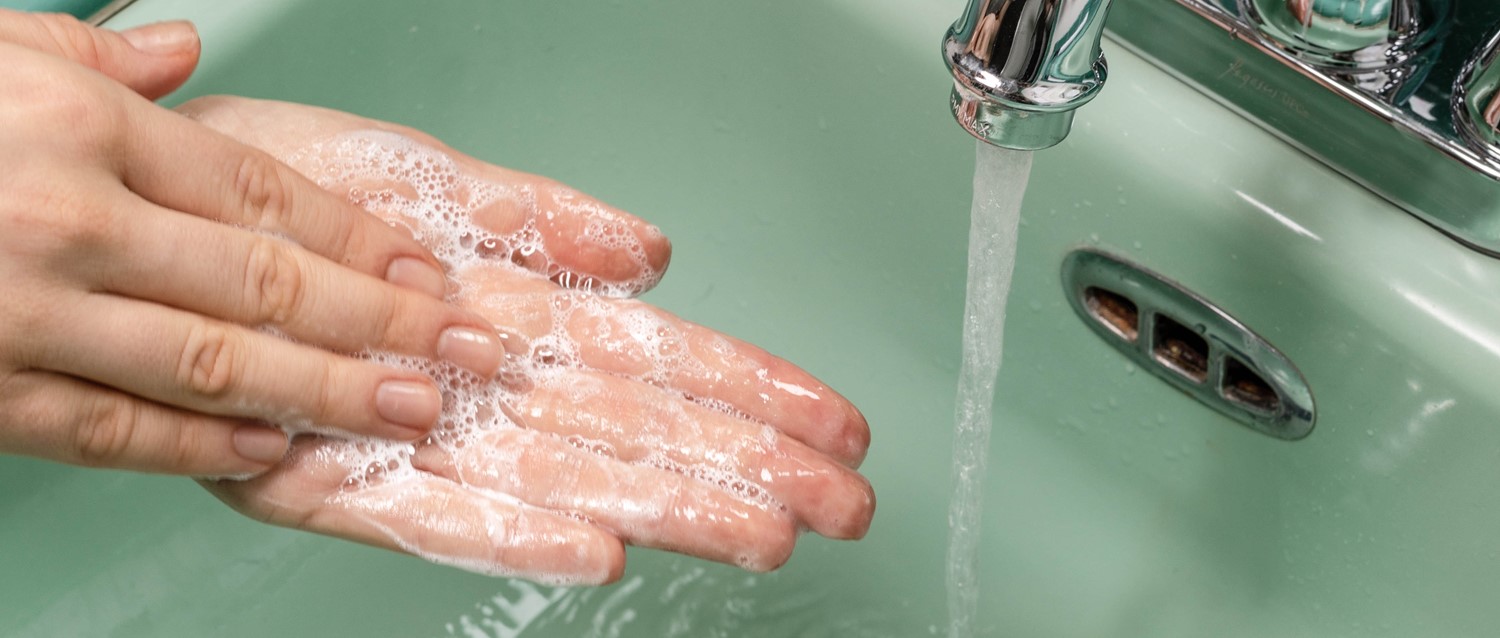
Wash your hands more frequently and properly. Wash your hands for 20 seconds each time, using the World Health Organization recommended handwashing method, soap and hot water. If soap and water are not available, use hand sanitiser containing at least 60% alcohol and wash your hands at the earliest opportunity.
Avoid touching your face with unwashed hands. This includes biting your nails, touching your eyes, nose and mouth and eating with your hands.
Avoid contact with people who are unwell.
Maintain social distancing. This means keeping at least 1 metre away from anyone who is coughing or sneezing. You should cover your mouth and nose with your bent elbow or a tissue if you are coughing and sneezing yourself.
Avoid travel to countries flagged by the Ministère des Affaires étrangères et du Commonwealth.
You should avoid all but essential social contact. This means avoiding social gatherings, clubs, pubs, cinemas and other social venues. If you can work from home or avoid public transport, you should.
Keep an eye on the latest guidance to stay up to date.
Sélections des patients pour Informations générales

COVID-19
Couvre-visages : que devez-vous rechercher dans un masque fait maison ?
Avec le port du couvre-visage désormais obligatoire dans les espaces clos au Royaume-Uni, beaucoup d'entre nous doivent s'habituer à un tout nouveau code vestimentaire. Et les options apparaissent partout - envie d'un masque avec votre photo préférée dessus ? Que diriez-vous d'assortir votre masque à votre tenue ? Mais lorsqu'il s'agit de protéger les autres et nous-mêmes, que devons-nous rechercher dans un masque fait maison ?
par Gillian Harvey

COVID-19
COVID-19 : comment rester en sécurité ce Noël
Noël approche à grands pas, et après avoir été annulé l'année dernière en raison de la pandémie, l'espoir d'une saison festive plus joyeuse est de retour. Mais le COVID-19 n'a pas disparu, et cette saison festive, il est toujours très important de veiller à être « COVID-sécurisé » et à réduire au maximum les risques liés au virus.
par Dr Sarah Jarvis
À propos de l'auteurVoir la biographie complète
Rédigé par

Milly Evans
Rédactrice
Milly écrit sur une gamme de sujets liés à la santé, avec un intérêt particulier pour les inégalités en santé et la santé sexuelle.
À propos du critiqueVoir la biographie complète

Dr Sarah Jarvis
Consultant Clinique
MA (Cantab), BM, BCh (Oxon), DRCOG, FRCGP, MBE
Après avoir suivi une formation en médecine à Cambridge et Oxford, le Dr Sarah Jarvis MBE est devenue médecin généraliste.
Historique de l'article
Article également disponible en Anglais, Allemand, Espagnol, Français, Italien, Portugais, Hindi, Hébreu, Arabe, and Suédois.
11 Mar 2020 | Publié à l'origine
Écrit par :
Milly EvansRevu par
Dr Sarah Jarvis
Partagez vos pensées ou expériences avec les autres dans notre communautés de patients.
Inscrivez-vous à la newsletter Patient
Votre dose hebdomadaire de conseils de santé clairs et fiables - rédigés pour vous aider à vous sentir informé, confiant et maître de la situation.
En vous abonnant, vous acceptez notre Politique de confidentialité. Vous pouvez vous désabonner à tout moment. Nous ne vendons jamais vos données.