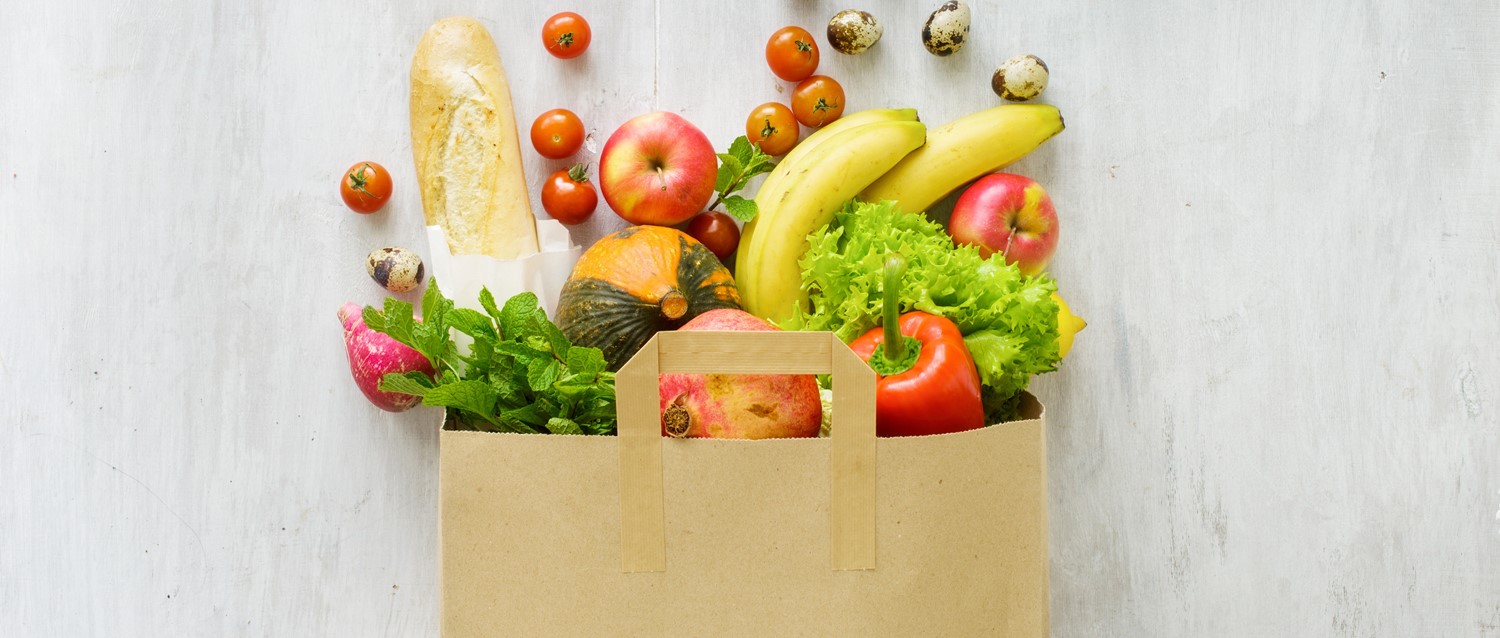
Conseils pour faire ses courses alimentaires pour les personnes diabétiques
Revu par Dr Sarah JarvisDernière mise à jour par Dr Mary Elisabeth Lowth, FRCGPDernière mise à jour 10 May 2018
Respecte les directives éditoriales
- TéléchargerTélécharger
- Partager
- Language
- Discussion
- Version audio
- Ajouter aux sources préférées sur Google
Il est naturel de se sentir intimidée après un diagnostic de diabète, surtout en ce qui concerne les plans de repas et vos courses hebdomadaires. Mais il n'y a pas lieu de craindre ; les mêmes principes d'une alimentation saine s'appliquent que vous ayez ou non le diabète. Ce guide simple offre une approche de bon sens pour faire ses courses en supermarché pour les personnes atteintes de cette maladie.
Inscrivez-vous à notre cours gratuit de 10 semaines sur le diabète !
Chaque semaine, nous explorerons un sujet différent pour vous aider à mieux comprendre et gérer votre diabète, y compris la vie quotidienne et les médicaments, le bien-être mental, les dernières technologies en matière de diabète et la nutrition.
En vous abonnant, vous acceptez notre Politique de confidentialité. Vous pouvez vous désabonner à tout moment. Nous ne vendons jamais vos données.
Which foods are 'banned'?
The best way to shop for food if you, or one of your family, have type 1 or diabète de type 2, is to follow exactly the same guidelines that apply to everyone else.
Diabetes UK says: "The way to go nowadays is to try to fit the diabetes and insulin around the same healthy, balanced diet that is recommended for everyone, with lots of fruit and veg and some food from all the food groups."
This may come as a surprise to some. One of my former patients, John*, was diagnosed with diabète de type 2 when he was 58. His wife, Mary*, completely changed her shopping habits at once, replacing their cooked evening meals with lean meat and salad, and their sandwich lunches with soups, and banning toast and marmalade from the breakfast table.
John confessed to me that he thought his new diet was positively miserable. All the foods he most enjoyed - meat and potato pie, roast meat, cheese on toast and sweetened drinks - were gone.
I referred the couple to a dietician who talked to them about a healthy diet that they would both enjoy. Meat and potato pie didn't have to be banned, roast meat is a good source of protein, and chips are fine in moderation. The dietician also suggested ways to 'wean' him off his sweet tooth, using sweeteners, so that he would eventually prefer to have his tea without sugar. His wife became less anxious about his diet as she understood that not everything needed to be banned.
It doesn't have to be expensive
Aside from foods mistakenly believed to be forbidden, many people diagnosed with diabetes are also concerned it will make the weekly shop a lot more expensive. This was something that really worried Julia*, a single mother trying to manage on a low income. Her son Luke* was diagnosed with diabète de type 1 at age 10. She was sure 'diabetic foods' were beyond her means and she felt she didn't have the flexibility within her budget to shop more healthily. But Julia didn't need to buy those expensive 'suitable for diabetes' products in the first place.
As GP Dr Colin Tidy says: "Foods labelled as 'suitable for people with diabetes' on the supermarket shelves do not provide you with any special benefit above that of ordinary foods and so are not recommended. These foods are often more expensive, high in calories and still able to cause your blood sugar (glucose) levels to rise."
A dietician also spent some time with Julia. She directed her to lots of helpful websites such as Jack Monroe's Cuisiner avec un budget serré, which provides accessible recipes for those on a very tight budget. It wasn't easy at first. Luke liked sweets, and was at times very frustrated that he couldn't eat exactly what his friends were eating. However, Julia was a convert and found she was spending less on their new healthier diet. Luke soon made friends through the diabetes clinic, and through Diabetes UK, and this made him feel less 'different'.
Food shopping tips
See our diabetes recipes for inspiration. And follow these tips:
Fruits et légumes
You should aim for your 'five a day' of fruit and vegetable portions. You can include canned, frozen and dried foods in this. Find interesting salad leaves and have them as a side with your food. Doing things 'the French way' and eating a salad before your main course may take the edge off your appetite. Be sparing with dressings though; go for clear vinaigrettes rather than creamy sauces. A really good dressing is a tiny bit of olive oil and lemon juice or balsamic vinegar.
Produits laitiers
Dairy products, including milk, cheese and yoghurt, are all good for you and give you essential vitamins and minerals. Some cheeses, particularly hard cheeses, are high in fat content, and it is generally advisable to keep down the levels of animal fats we eat. Low-fat cheese and yoghurts and skimmed, or semi-skimmed, milk are best if you're eating these foods a lot.
Meat, fish and pulses
Lean meat is generally better for you than fattier cuts. Chicken is a particularly low-fat meat. If you're buying bacon and sausages you can grill a lot of the fat out of them.
Fish is healthy, and the fats in oily fish like salmon are good for your brain and your heart.
For a plant-based protein source, canned beans and pulses are just as good as the dried ones, and don't need soaking or prolonged cooking - but you can opt for either. Both are high in protein and low in fat and they can be added to stews and soups to make them go further.
Drinks
Fruit juice is great in moderation (a single 150 ml portion a day, preferably with food) but read the box as some are naturally higher than others in 'free sugar'. Do be aware that fruit juice should be labelled 100% fruit juice - 'fruit juice drinks' or 'fruit nectars' can contain lots of added sugars and should be off the menu. Avoid sweetened fizzy drinks for yourself and your family; they are bad for teeth, encourage a 'sweet tooth' and are 'empty calories' - meaning they have no significant additional nutritional value. Consider flavouring your own water instead. A litre of water kept in the fridge, infused for an hour or two with cucumber, orange or melon, is delicious.
What to buy for the store cupboard
Tins
Tinned tomatoes make an excellent basis for sauces with many meals; they are low in fat and carbohydrate. Opt for tinned fruit in natural juices rather than in syrup. Canned tuna in brine is an excellent, low-calorie source of protein for sandwiches and salad snacks - although do watch the salt content.
Curry pastes
Avoid creamy 'cook-in' sauces which often have lots of added salt and are high in fat. And choose curry pastes rather than ready made sauces - they are better value and you can use tomatoes, stock, or low-fat coconut milk to make up the sauce.
Pulses
Dried lentils and chickpeas are an excellent back-up for the store cupboard.
Aliments riches en amidon
Keep pasta and rice in the cupboard - brown is better for you, although it takes longer to cook - but white is also fine.
Cooking oil
Choose light olive oil or sunflower oil for cooking.
*Names have been changed to protect identities
Dr Mary Lowth est l'auteur ou l'auteur original de ce dépliant.
Sélections des patients pour Diabète sucré

Diabète
Un meilleur sommeil peut-il aider à gérer le diabète ?
Obtenir suffisamment de sommeil est vital pour votre bien-être général - vous avez besoin d'environ 7 à 9 heures par nuit pour soutenir votre santé mentale et physique. Si vous êtes diabétique, il est particulièrement important de dormir suffisamment, car cela peut jouer un rôle clé dans la gestion de votre condition. Dans cet article, nous explorons pourquoi le sommeil est important et comment intégrer des habitudes de sommeil saines dans votre routine quotidienne.
par Victoria Raw
Diabète
Ce que vous devez savoir sur l'épuisement lié au diabète
Gérer le diabète est un travail à plein temps. Cela implique un cycle continu de surveillance de la glycémie, de gestion des médicaments et de planification proactive. Comme pour de nombreux défis de la vie, le besoin constant de surveiller cette condition de santé peut mener à l'épuisement si vous ne prenez pas de mesures pour le reconnaître, le traiter et le prévenir. En cette Journée mondiale du diabète, nous soulignons l'importance de l'auto-soin, du soutien et de la recherche des bonnes ressources si vous vivez avec le diabète.
par Victoria Raw
À propos de l'auteurVoir la biographie complète

Dr Mary Elisabeth Lowth, FRCGP
MA (Cantab), MB, BChir, DFFP, DRCOG, PG Cert, Med Ed, FRCGP, MA (London)
Le Dr Mary Lowth a été médecin généraliste dans le Suffolk pendant 20 ans, spécialisée en pédiatrie et protection de l'enfance, et plus tard dans la documentation de la torture.
À propos du critiqueVoir la biographie complète

Dr Sarah Jarvis
Consultant Clinique
MA (Cantab), BM, BCh (Oxon), DRCOG, FRCGP, MBE
Après avoir suivi une formation en médecine à Cambridge et Oxford, le Dr Sarah Jarvis MBE est devenue médecin généraliste.
Historique de l'article
Les informations sur cette page sont examinées par des cliniciens qualifiés.
Article également disponible en Anglais, Allemand, Espagnol, Français, Italien, Portugais, Hindi, Hébreu, Arabe, and Suédois.
10 May 2018 | Dernière version

Demandez, partagez, connectez-vous.
Parcourez les discussions, posez des questions et partagez vos expériences sur des centaines de sujets de santé.

Vous ne vous sentez pas bien ?
Évaluez vos symptômes en ligne gratuitement
Inscrivez-vous à la newsletter Patient
Votre dose hebdomadaire de conseils de santé clairs et fiables - rédigés pour vous aider à vous sentir informé, confiant et maître de la situation.
En vous abonnant, vous acceptez notre Politique de confidentialité. Vous pouvez vous désabonner à tout moment. Nous ne vendons jamais vos données.
Plus sur le diabète
- Les applications peuvent-elles vraiment aider à gérer le diabète ?
- Les probiotiques peuvent-ils traiter l'obésité et le diabète ?
- Peut-on inverser le diabète de type 2 ?
- Surveillance continue de la glycémie dans le diabète de type 1
- Régime pour diabète : gérer le diabète de type 2
- Comment manger au restaurant avec le diabète
- Comment grignoter quand on a le diabète
- Gérer le diabète de type 2 avec l'exercice
- Quiz : Ai-je du diabète ?
- Signes de diabète de type 2 détectés chez des enfants dès l'âge de huit ans
- Adopter un régime à base de plantes réduit le risque de diabète de type 2
- Les meilleurs sports à essayer si vous avez le diabète de type 2
- L'avenir du traitement du diabète
- Vidéo : Quelle est la différence entre le diabète de type 1 et le diabète de type 2 ?
- Qu'est-ce qu'une « hypo » et peut-on en avoir une si on n'a pas de diabète ?
- Qu'est-ce que la surveillance du glucose en continu et comment peut-elle aider les personnes atteintes de diabète ?
- Que manger à Noël si vous avez le diabète de type 2
- Ce que vous devez savoir sur l'épuisement lié au diabète
- Quel est le lien entre le SOPK et le diabète ?
- Vos médicaments contre le diabète expliqués