
Le divorce de sommeil est-il la clé pour un meilleur repos ?
Revu par Dr Colin Tidy, MRCGPRédigé par Victoria RawPublié à l'origine 21 Dec 2025
Respecte les directives éditoriales
- TéléchargerTélécharger
- Partager
- Language
- Discussion
- Version audio
- Ajouter aux sources préférées sur Google
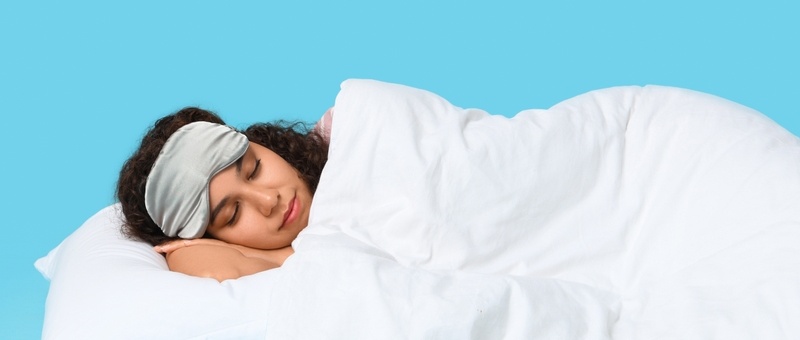
A sleep divorce is when two people who usually share a bed mutually decide to sleep separately to safeguard the quality of their rest. While it’s not for everyone, some find it’s the best solution if their health is impacted due to disrupted sleep.
We dive into what a sleep divorce really involves, the potential health benefits, and the best ways to make it work. Ultimately, it’s up to you to decide whether the effects of better sleep outweigh the cost of sleeping apart from your partner.
What is a sleep divorce?
In essence, a sleep divorce doesn’t have to be as dramatic as the name implies. It won't necessarily mean your connection with your partner will change - in fact, it could even help strengthen it. The primary goal is to improve your health, not harm your relationship, though it’s still a decision worth considering carefully.
Dr Atul Malhotra, board-certified pulmonologist and sleep medicine specialist, University of California, San Diego, USA explains that a sleep divorce typically occurs when couples decide to sleep in separate rooms because one partner’s snoring or restlessness makes sharing a bed difficult.
He says: “For many, sleeping apart becomes a desperate attempt to preserve rest and, as a result, overall health.”
Ciara Bogdanovic, licensed marriage and family therapist, owner and founder at Sagebrush Psychotherapy, Los Angeles, USA adds that getting a sleep divorce does not mean your relationship is ending. It is about prioritising your sleep hygiene rather than following the expectation that couples must share a bed.
The changing culture of shared sleep
Bogdanovic says: “Many couples choose to sleep in separate bedrooms for their health and the health of their relationship.
"It’s becoming more and more common as people leave behind societal expectations around sleeping in the same bed and prioritising your sleep.”
Common triggers of a sleep divorce
One of the most common reasons couples choose to sleep apart is that the bedtime habits of either partner can interfere with quality sleep. Getting enough rest is essential for maintaining your overall wellbeing, so consistently disrupted sleep can have a significant impact on your health and daily functioning.
Malhotra explains that snoring is one of the biggest triggers of a sleep divorce.
“It’s often dismissed as ‘just noise,’ but in reality, it can signal disorders such as l'apnée obstructive du sommeil (OSA),” he says. “The disrupted sleep caused by OSA doesn’t just impact the person snoring - it fragments their partner’s rest and drains both partners’ daytime energy.
“Over time, sleep deprivation can cause irritability, poor emotional regulation, and lower relationship satisfaction for both partners, essentially creating a cycle where exhaustion feeds frustration.”
Malhotra adds that untreated OSA is far more serious than many realise.
Even mild cases may increase your chance of:
médicament antagoniste des récepteurs He warns: “Because sleep affects nearly every system in the body, poor sleep quality can quietly chip away at both physical health and emotional connection.”
Is a sleep divorce good for your health?
There’s no denying that getting enough sleep - both in quantity and quality - is crucial for your health. However, choosing to sleep apart from your partner to achieve this brings a more complex level to the conversation.
Bogdanovic says that prioritising quality sleep doesn't necessarily mean sacrificing intimacy or emotional closeness.
“A strong relationship is built on intention, not just proximity,” she explains. “Also, well-rested partners are often more patient, emotionally available, and engaged with each other. Prioritising good sleep sets your relationship up for success. As long as the couple approaches this arrangement with mutual respect and clear communication, it is a healthy choice.”
Dr Hana Patel is an NHS GP and resident sleep expert at Time4Sleep, UK. She says that good quality sleep increases your energy levels, improves your mood, and promotes better overall health.
She explains: “Although sleeping separately sounds like a negative thing, many couples have reported feeling closer and more intimate with their partner, feeling less frustrated or resentful towards them due to their snoring, and have seen an overall improvement in their physical and mental health.
“If you are finding that sleeping with your partner is causing you to experience long-term lack of sleep, and that your health and wellbeing are negatively impacted as a result, it may be time to consider a sleep divorce.”
What happens to bedroom intimacy?
One obvious concern is that intimacy might fade if a couple starts sleeping in separate beds.
Patel says that whilst some may assume that a sleep divorce hinders bedroom intimacy between couples, in fact, it can significantly enhance intimacy and the overall quality of a couple's sex life - particularly for those in long-term relationships.
“This is because increased energy levels and improved mood from better sleep are important factors in encouraging a healthy libido,” she explains.
Boganovic agrees that physical intimacy doesn’t have to fade just because you’re no longer sharing a bed. She believes that nurturing your sex life outside the bedroom can actually heighten desire and strengthen emotional connection.
“Sex doesn’t have to be tied to sleep. Build desire outside of the bedroom. Be flirty and build sexual energy. Examples include being touchy, teasing, compliments, or sending sexy photos,” she says.
“Keeping sexual energy alive outside of the bedroom helps couples stay connected, desired, and emotionally attuned. It shifts sex from something that just happens to something you prioritise.”
Downsides of a sleep divorce
Getting uninterrupted sleep sounds like a no-brainer for your health. However, our experts aren’t entirely convinced that sleeping apart from your partner is always the better choice.
Malhotra reiterates that sleeping separately can bring short-term benefits, but long-term, a sleep divorce can also come with downsides.
Ceux-ci incluent :
Emotional distance.
Reduced intimacy.
Fewer opportunities to relax and connect as a couple.
Patel explains that many couples who try a sleep divorce actually end up sharing a bed again, perhaps due to missing each other.
“There is research that suggests some couples experience better sleep quality overall and emotional regulation from sleeping next to each other,” she says. “However, these benefits often depend on the absence of major sleep disturbances.”
She notes that some studies show that sleeping next to your partner could actually boost your REM sleep - the stage where most dreaming happens and one that’s key to feeling properly rested.
“One in particular showed that compared to sleeping individually, co-sleeping was associated with roughly 10% more REM sleep,” Patel explains. “Co-sleeping can lead to more synchronised sleep patterns, with the presence of a partner having the potential to impact our sleep cycles and waking times.”
How to ask for a sleep divorce
Bringing up the idea of a sleep divorce can be tricky - especially if one partner suggests it before there’s a mutual agreement that sleeping separately is something both are comfortable trying.
Patel suggests that if you think a sleep divorce might be helpful, start by discussing the idea openly with your partner. Try it out for a short period to see if it makes a difference. If sharing a bed is seriously affecting your sleep quality, it’s worth having an honest, reassuring conversation about finding a solution that works for you both.
Bogdanovic stresses the importance of talking openly and sincerely - sharing how you feel while being mindful of your partner’s emotions too.
“Start by explaining that you want to work on your sleep hygiene and why that is important to you,” she advises. “Frame the conversation in a positive way. Emphasise that sleeping separately is a way to support each person’s health and the quality of the relationship.
“Highlight the benefits - such as better sleep, more patience, and more energy to connect. Reassure your partner that the goal is to improve how you both feel, not to create distance.”
Simple steps to try a sleep divorce
Couples can take a few simple, thoughtful steps to make the move to separate sleeping arrangements easier and more respectful for both sides.
Boganovic outlines the following useful ideas:
Work together - arrange and decorate your separate bedrooms.
Personalise your bedrooms - by adding pictures of your partner and incorporating other small touches that represent each other.
Establish shared daily rituals - such as having coffee together every morning or snuggling on the couch before going to sleep.
Alternatives to a sleep divorce
If a sleep divorce isn't for you, there are alternatives you can try to protect your sleep while staying in the same bed as your partner.
Try a pair of earplugs
If the reason you thought you might want a sleep divorce is because of your partner’s snoring, then buying some earplugs may be a good way to go.
Patel explains that studies have shown that sleeping with earplugs - as well as an eye mask - can help improve the quality of your night’s sleep by blocking out background noise and ambient light.
Stagger your sleep schedules
Heading to bed before your partner may be a strategic way to reduce the amount of time you are exposed to sleep-disrupting noises, such as snoring.
“Getting a head start on your partner who is a snorer can be a good method for getting a good night’s rest, as it allows you time to settle into deep sleep before your partner begins snoring,” says Patel.
“This tactic may not work well for those who are light sleepers, however, as they may be woken up by their partner anyway when they come to bed, or if they snore particularly loudly.”
Adopt healthier habits
Si vous avez general sleeping difficulties, certain lifestyle changes could make a big difference. These changes may be specific to you, as the issue might not necessarily be caused by your partner's behaviours.
Patel recommends you improve your daily routine to become more beneficial for sleep.
“This includes cutting caffeine intake after lunchtime and réduire le temps d'écran in the hours leading up to bed,” she explains. “I would suggest creating a regular sleep routine, with set hours for waking up and going to bed, to allow your body to prepare itself for sleep, and to improve your overall quality of sleep.
"Becoming more physically active during the day can also have a positive impact on the ease with which you fall asleep.”
Seek medical help
If you're struggling with persistent sleep issues - regardless of the cause - it's crucial to discuss them with your doctor. This is especially important if the issue involves snoring, as it can be a sign of an underlying medical condition such as OSA.
Speaking with a health professional is the wisest step to receive a proper diagnosis and find an appropriate treatment plan.
Sélections des patients pour Sommeil et insomnie

Mode de vie sain
Comment s'endormir rapidement : 5 méthodes simples pour un sommeil rapide
Si vous avez du mal à dormir, vous n'êtes pas seul. Voici quelques méthodes populaires pour vous détendre et vous endormir plus rapidement.
par Victoria Raw
Mode de vie sain
Comment améliorer votre comportement de sommeil
Le sommeil est essentiel pour notre bien-être, et le manque de repos peut affecter tout, de la performance au travail à la fonction immunitaire. Alors qu'un sur cinq d'entre nous ne dort pas suffisamment, nous explorons les meilleures façons d'améliorer nos habitudes de sommeil.
par Victoria Raw
À propos de l'auteurVoir la biographie complète

Victoria Raw
Auteur de chroniques
Licence (Hons), Littérature anglaise
Victoria est rédactrice de contenu chez Patient, avec des intérêts particuliers pour le bien-être mental, les tendances sociétales et l'impact de la technologie sur notre santé.
À propos du critiqueVoir la biographie complète

Dr Colin Tidy, MRCGP
Médecin généraliste, Auteur médical
MBBS, MRCGP, MRCP (Paediatrics), DCH
Le Dr Colin Tidy est un médecin du NHS, basé dans l'Oxfordshire.
Historique de l'article
Les informations sur cette page sont examinées par des cliniciens qualifiés.
Article également disponible en Anglais, Allemand, Espagnol, Français, Italien, Portugais, Hindi, Hébreu, Arabe, and Suédois.
Next review due: 21 Dec 2028
21 Dec 2025 | Publié à l'origine
Écrit par :
Victoria RawRevu par
Dr Colin Tidy, MRCGP

Demandez, partagez, connectez-vous.
Parcourez les discussions, posez des questions et partagez vos expériences sur des centaines de sujets de santé.

Vous ne vous sentez pas bien ?
Évaluez vos symptômes en ligne gratuitement
Inscrivez-vous à la newsletter Patient
Votre dose hebdomadaire de conseils de santé clairs et fiables - rédigés pour vous aider à vous sentir informé, confiant et maître de la situation.
En vous abonnant, vous acceptez notre Politique de confidentialité. Vous pouvez vous désabonner à tout moment. Nous ne vendons jamais vos données.
Plus sur la vie saine
- 6 bienfaits de la natation pour la santé
- 7 façons d'atténuer l'angoisse matinale pendant la périménopause
- Les cigarettes électroniques sont-elles un moyen sûr d'arrêter de fumer ?
- Établir des limites saines pour un nouveau départ en début d'année
- Votre 'angoisse matinale' pourrait-elle être un signe de périménopause ?
- Dr Krishna Vakharia : Un regard en arrière - et vers l'avant
- Comment les bactéries intestinales affectent l'humeur, la concentration et la santé cérébrale
- Comment réduire votre IMC et perdre du poids sainement
- Le jeûne intermittent est-il une méthode saine pour perdre du poids ?
- Voyage LGBTQ+ : comment rester en sécurité
- Injections de perte de poids Mounjaro : FAQ
- Mis à jourLes meilleurs exercices avec bandes de résistance pour développer les muscles
- Quels sont les avantages des squats ?
- Quels sont les meilleurs exercices avec bande de résistance pour les jambes ?
- Qu'est-ce que la 'bonne santé mentale' ?
- Que faire si votre poids vous déprime
- Pourquoi être gentil aide les autres et vous profite aussi
- Pourquoi je n'arrive pas à dormir ? 12 causes courantes et que faire
- Pourquoi les jeunes LGBTQ+ ont-ils une expérience moins favorable des soins contre le cancer ?