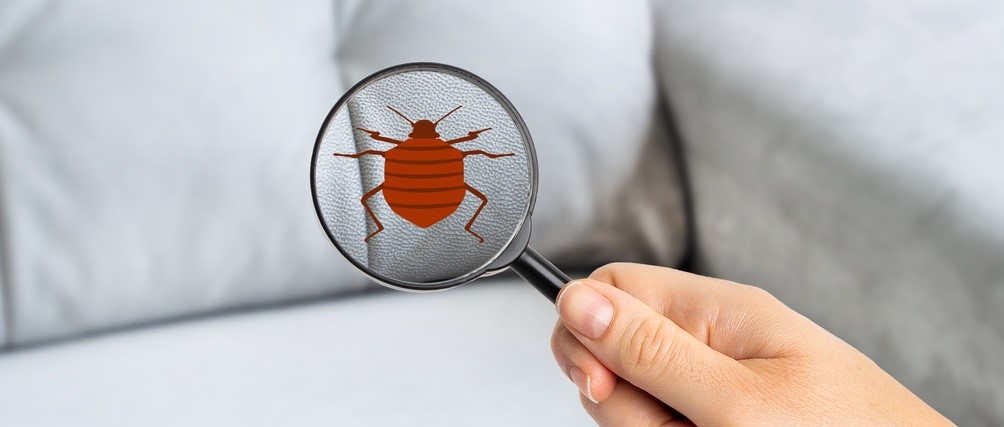
Comment repérer les punaises de lit et s'en débarrasser
Revu par Dr Colin Tidy, MRCGPRédigé par Lydia SmithPublié à l'origine 10 Oct 2023
Respecte les directives éditoriales
- TéléchargerTélécharger
- Partager
- Language
- Discussion
- Ask Patient
- Version audio
- Ajouter aux sources préférées sur Google
Une infestation de punaises de lit en France a suscité des inquiétudes quant à leur propagation vers le Royaume-Uni. Malheureusement, les punaises de lit sont assez courantes - mais il existe des mesures que vous pouvez prendre pour les tenir à l'écart de votre chambre. Ici, nous expliquons comment reconnaître si vous avez des punaises de lit, et quoi faire si c'est le cas.
Need relief from bites and stings?
Get expert healthcare advice from the comfort of home. Complete a quick online consultation, available 24/7, with your request reviewed by a UK-registered clinician. Next day delivery available on eligible treatments.

Sélections vidéo pour Autres infectionsBibliothèque vidéo
What are the signs of bedbugs?
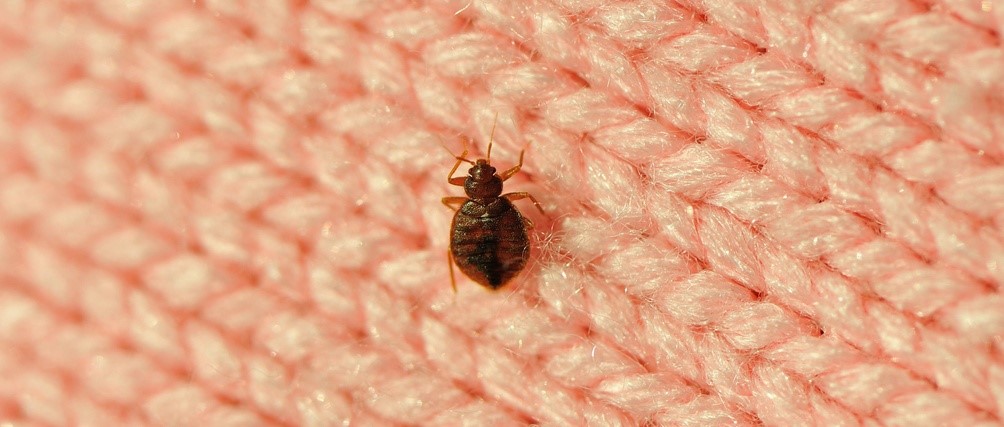
Bedbugs are small insects that live on furniture or bedding - and can be found on mattresses, clothing or bed frames. Although their bites are often itchy, they tend not to cause any other health issues.
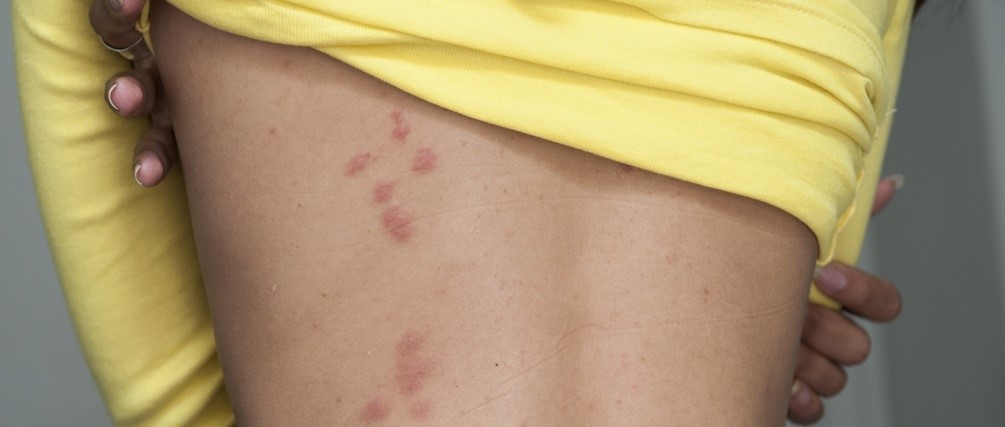
The signs of bedbugs include bites on your skin which are raised and itchy. They may appear red or purple, depending on your skin tone. Often the morsures appear in groups or lines.
You might see spots of blood on your bedding, either from the bites or from squashing a bedbug. Sometimes, infestations may be accompanied by a musty smell.
There might also be bedbug poo on your bedding, which looks like tiny brown spots.
Some people have a reaction to the bites. They can be very itchy and there may be gonflement. A severe allergic reaction (anaphylaxie) is rare but possible - signs include itchy skin rashes, trouble respiration, sifflements, swollen lips, vomissements and stomach pains. This is a medical emergency and you should get help straightaway.
What does a bedbug look like?
How to treat bedbug bites
Bedbug bites usually clear up on their own in a week or so. You should try not to scratch them and to keep them clean to avoid getting an infection. You can soothe them with a cool, damp cloth if they are sore or itchy.
You can get a mild steroid cream or antihistaminiques from your pharmacy to reduce itching or swelling.
If the redness or swelling isn’t going away or is spreading, you may have an infection and you should see your doctor.
What does a bedbug bite look like?
How to get rid of bedbugs
To get rid of bedbugs, you should wash your bedding and clothing on a hot wash at 60C. You can also buy special detergent that is designed to kill bedbugs - but it may not be suitable for people with sensitive skin.
You could also use a handheld steamer on mattresses, sofas, and other places where bedbugs hide.
Deep cleaning your mattress regularly will allow you to spot bedbugs, so you can get rid of them before they spread. Check all areas of your bedroom or affected room for signs of bedbugs, including the walls, wallpaper, curtains, cushions and furniture.
Cleaning and vacuuming regularly will also keep bedbugs at bay. Insecticide sprays can also be used to kill the bugs.
Sélections des patients pour Autres infections

Infections
Strep A : Qu'est-ce que le streptocoque du groupe A invasif ?
Parents have been warned by health officials to be aware of the infections strep A can cause, after the deaths of several children in the UK from it. While most people don't become very ill, the highly contagious bacteria that causes the infection can cause serious illness and can be fatal.
par Lydia Smith

Infections
Les cas de maladie de Lyme au Royaume-Uni pourraient être trois fois plus élevés que prévu
A new study has shown that the number of new cases of tick-borne Lyme disease in the UK may be three times higher than previously thought.
par Milly Evans
À propos de l'auteurVoir la biographie complète
Rédigé par

Lydia Smith
Rédacteur de reportages
Licence, Master, MSc
Lydia Smith est une journaliste primée et rédactrice spécialisée qui a beaucoup écrit sur la santé des femmes et la santé mentale. Elle prépare actuellement un MSc en psychologie.
À propos du critiqueVoir la biographie complète

Dr Colin Tidy, MRCGP
Médecin généraliste, Auteur médical
MBBS, MRCGP, MRCP (Paediatrics), DCH
Le Dr Colin Tidy est un médecin du NHS, basé dans l'Oxfordshire.
Historique de l'article
Article également disponible en Anglais, Allemand, Espagnol, Français, Italien, Portugais, Hindi, Hébreu, Arabe, and Suédois.
10 Oct 2023 | Publié à l'origine
Écrit par :
Lydia SmithRevu par
Dr Colin Tidy, MRCGP
Partagez vos pensées ou expériences avec les autres dans notre communautés de patients.
Inscrivez-vous à la newsletter Patient
Votre dose hebdomadaire de conseils de santé clairs et fiables - rédigés pour vous aider à vous sentir informé, confiant et maître de la situation.
En vous abonnant, vous acceptez notre Politique de confidentialité. Vous pouvez vous désabonner à tout moment. Nous ne vendons jamais vos données.