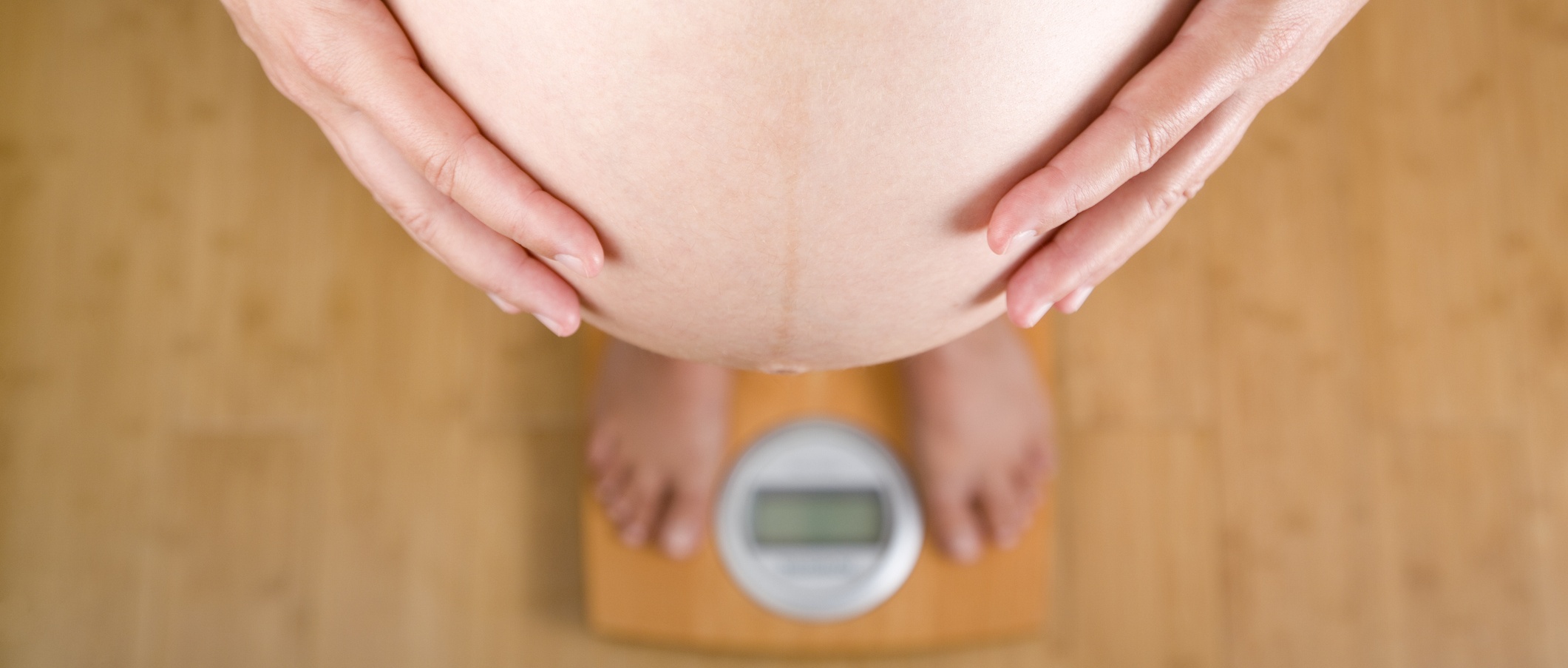
How much pregnancy weight gain is normal?
Peer reviewed by Gillian HarveyLast updated by Gillian HarveyLast updated 12 Oct 2017
Meets Patient’s editorial guidelines
- DownloadDownload
- Share
- Language
- Discussion
- Audio Version
- Add to preferred sources on Google
Most people are familiar with the expression 'eating for two', but like many sayings, this should be taken with a pinch of salt. During pregnancy your body will be working incredibly hard to build a tiny human being, but your calorie needs remain largely unchanged.
We look at how much pregnancy gain is normal, and why it’s important to keep chocolate cravings in check.
Sign up for our free 8-week Healthy Pregnancy course!
Each week we’ll share useful information and essential tips on topics such as nutrition, exercise, mental health, symptoms to look out for, and preparing for childbirth, to help you navigate your pregnancy journey whatever stage you are at.
By subscribing you accept our Privacy Policy. You can unsubscribe at any time. We never sell your data.
Step away from the biscuit tin!
Despite what you may have heard, most women don’t actually need to up their calorie intake in the first six months of pregnancy – meaning the average woman should still aim to eat around 2,000 calories per day.
In the last three months of your pregnancy, you do need a little more sustenance, but only to the tune of 200 calories a day according to the Royal College of Obstetricians and Gynaecologists – which equates to two slices of toast or a couple of bananas.
That slab of chocolate fudge cake you’ve got your eye on? It’s probably loaded with about twice that – so think carefully before you indulge.
Quality not quantity
It’s hardly surprising that many women use pregnancy as an excuse to gorge on normally-forbidden treats. However, despite temptation, it’s more important than ever to pay attention to what you put into your body during this time.
“It’s important to get a balance of all the major food groups to provide all the nutrients needed for the growth and development of the baby,” explains Jenny Lord, qualified midwife and blogger at Midwife and Life.
How much weight will I gain?
Many describe pregnant women as ‘blooming’ but those of us feel pretty uncomfortable in the late stages of pregnancy. As well as gaining a bump, your body will begin to store more fat in preparation for breastfeeding. “Weight gain varies from woman to woman,” explains Lord. “But on average a woman will gain about 10-14kg. In addition, if a woman is overweight to start with, they may gain more than the average.”
Whilst some of this weight will be lost after giving birth (for starters, your baby will probably weigh around 3kg), some of it is likely to linger for a few months after the birth. Although it’s important to avoid excess weight gain, it’s also important to accept the bodily changes that come with pregnancy
To help you stay on track, your midwife will usually calculate your BMI at your first appointment, and may give you specific advice, particularly if you are slightly underweight or overweight at the start of pregnancy.
Risks of excess weight gain
As well as wanting to get back in our jeans after pregnancy, there are many other reasons why weight gain during pregnancy should be kept to a minimum.
Excess weight gain can lead to high blood pressure and even complications during labour, so it’s important to be careful.
Women should also “avoid high sugar foods as this, along with excess weight, could result in gestational diabetes,” explains Lord. Gestational diabetes can lead to potential complications such as high birth weight, or excess fluid.
Gaining too little can also be problematic, as it might mean that your baby will have a low birth weight. Your midwife or doctor may monitor your weight during pregnancy and will be able to give specific advice relating to your circumstances and your risk of different complications.
Getting enough exercise
Whilst high-impact exercise and pushing yourself too hard are not a good idea during pregnancy -and trampolining is definitely off the cards - taking gentle exercise can be beneficial both for yourself and for your baby. In fact, exercise may relieve back-ache and constipation, as well as keeping you fit and well – which will help when it comes to labour.
There are a range of exercise classes available for women during and after pregnancy, so consult your local leisure centre. Alternatively, there are many options to work out from the comfort of your own home, using a DVD or streaming an exercise class.
However, to ensure you choose the right exercise for your needs, have a chat with your midwife or doctor before taking up anything new.
Keeping it in proportion
Whilst from the outside, pregnancy can seem like a glorious time in which women bloom, those of us who’ve struggled with some of pregnancy’s less wonderful effects know that growing a human can be a stressful experience. So although it’s important to keep an eye on the scales, it’s important to keep a sense of perspective.
Stress during pregnancy can also have a negative impact, so although we need to watch our diet, it’s important too to relax and enjoy the journey as much as possible. “There’s no need to count calories,” agrees Lord. “Just maintain a healthy, balanced diet.”
You may not be able to eat for two, but everyone deserves a treat now and again!
Patient picks for Diet and lifestyle

Pregnancy
How to travel safely during pregnancy
Over the last few years, a new term has cropped up on travel websites, namely the 'babymoon'. Referring to the last holiday you take while pregnant, the babymoon ideally has little to do with babies. On the contrary, it's a chance for some much needed 'you' time before the baby arrives and child-free activities become a distant memory.
by Abi Millar
Pregnancy
Postpartum power: exercising after pregnancy
Exercise is good for our health - if you're a mum who's recently had a baby, it can be beneficial for you in many ways. We spoke with experts about the healthy upsides of postnatal exercise, the best workouts, and when to start.
by Victoria Raw
About the authorView full bio

Gillian Harvey
Freelance Writer
BA (Hons) English
Gillian is a freelance writer and columnist for a variety of national newspapers and magazines.
About the reviewerView full bio
Gillian Harvey
Freelance Writer
BA (Hons) English
Gillian is a freelance writer and columnist for a variety of national newspapers and magazines.
Article history
The information on this page is peer reviewed by qualified clinicians.
Article also available in English, German, Spanish, French, Italian, Portuguese, Hindi, Hebrew, Arabic, and Swedish.
12 Oct 2017 | Latest version
Join the conversation
Share your thoughts or experiences with others in our patient communities.

Ask, share, connect.
Browse discussions, ask questions, and share experiences across hundreds of health topics.

Feeling unwell?
Assess your symptoms online for free
Sign up to the Patient newsletter
Your weekly dose of clear, trustworthy health advice - written to help you feel informed, confident and in control.
By subscribing you accept our Privacy Policy. You can unsubscribe at any time. We never sell your data.
More in pregnancy
- Black women more likely to experience stillbirth than white women
- Can your diet and lifestyle improve fertility?
- Do contraceptive pills change your behaviour?
- Does testicular cancer affect your fertility?
- Fertility diet: what to eat when you're trying to get pregnant
- General pregnancy videos
- Healthy pregnancy - what you need to know
- How to create a birth plan
- How to feel more confident about childbirth
- How to support a friend after a miscarriage or stillbirth
- Is it safe to skip your period on the pill?
- Looking after your mental health when returning to work after maternity leave
- Miscarriage: why it's important to break the taboo
- Should you avoid the pill if you get migraines?
- The pros and cons of female condoms
- What do you learn in antenatal classes and what are the benefits?
- What you need to know about inducing labour
- When should you announce a pregnancy?
- Which types of condoms are best for preventing pregnancy?
- Why can pregnancy cause nightmares and vivid dreams?