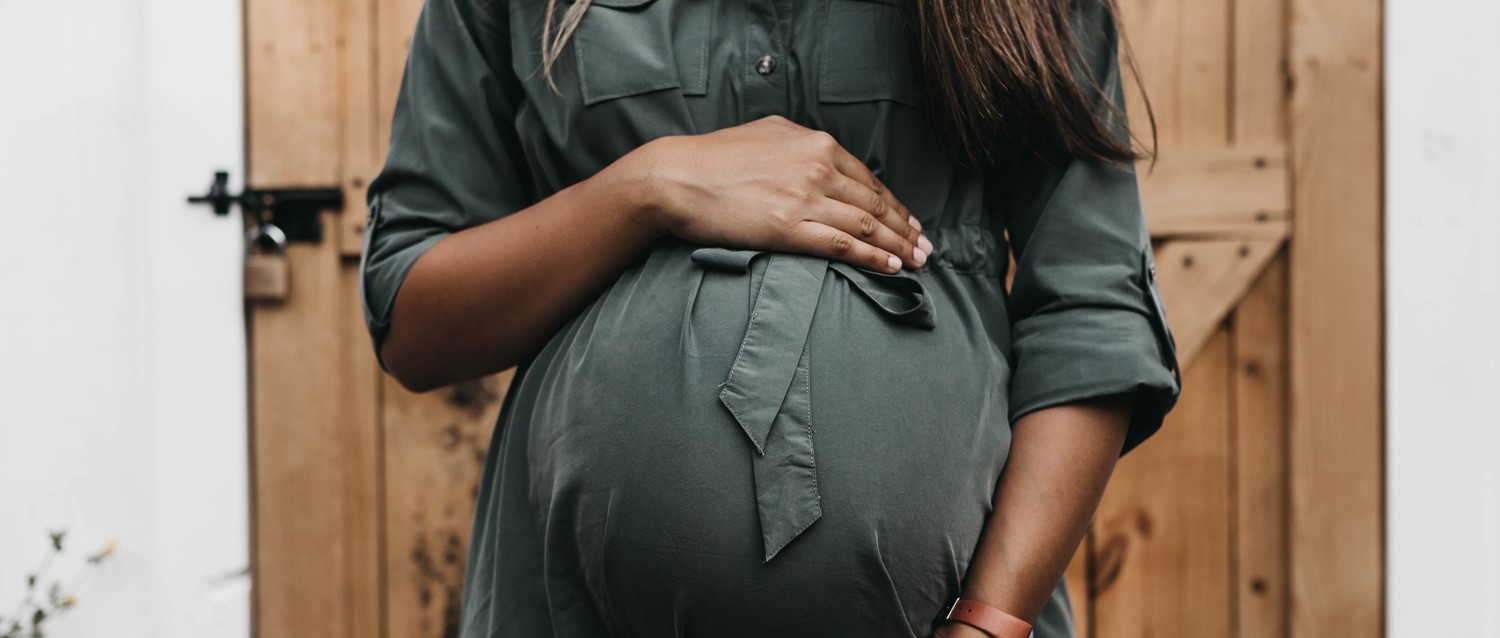
How to deal with negative body image in pregnancy
Peer reviewed by Dr Sarah JarvisLast updated by Lydia SmithLast updated 4 Dec 2021
Meets Patient’s editorial guidelines
- DownloadDownload
- Share
- Language
- Discussion
- Audio Version
- Add to preferred sources on Google
Pregnancy isn't always the magical time we are often led to believe it is. Not only can symptoms like nausea and backache be difficult to cope with, it's a big life event that can affect your mood and emotions. Even though it's a normal part of pregnancy, seeing your body change as your bump develops can also be challenging too.
Sign up for our free 8-week Healthy Pregnancy course!
Each week we’ll share useful information and essential tips on topics such as nutrition, exercise, mental health, symptoms to look out for, and preparing for childbirth, to help you navigate your pregnancy journey whatever stage you are at.
By subscribing you accept our Privacy Policy. You can unsubscribe at any time. We never sell your data.
Why pregnancy can affect your body image
Many mums struggle to mentally process the body changes during pregnancy. According to a survey of more than 1,500 women, just over 41% of women who had been pregnant said they felt more negative about their bodies afterwards. A further 18% felt 'much more negative', while 23% felt 'slightly more negative' about their post-pregnancy bodies.
"Through adolescence and beyond, we can all struggle with fluctuating body image influenced by a vast array of factors," says Dr Marielle Quint, chartered clinical psychologist at The Soke, a mental health clinic in London.
How we feel about our bodies is a complex issue, often influenced by strict and unrealistic social and cultural beauty ideals. Our personal experiences, such as bullying, trauma, our health and relationships, can all contribute to negative body image too.
Social media often plays a significant role, as it allows us to compare ourselves to other people and idealised bodies. What we see on Instagram, TikTok and Pinterest is rarely a genuine insight into other people's lives, which can lead us to have unrealistic expectations about our own experiences.
Feeling 'alien'
During pregnancy, existing concerns about body image can become exacerbated. Even if you've not experienced negative feelings about your body before, you may find yourself struggling with it feeling 'alien' as your body changes during pregnancy.
"These issues can become increasingly complex during pregnancy, as it is naturally a time where weight gain and changes in our body are inevitable, rapid and largely out of our control," says Quint.
"There is also something about pregnancy that seems to give others often well-intended, but ill-perceived, licence to comment on size and shape," she adds. "Ordinarily, unacceptable comments can feel incredibly difficult for women struggling to inhabit their constantly evolving pregnant bodies."
Reality of pregnancy
It's also normal to experience a disconnect between what you thought pregnancy would be like, compared to the reality. You may also find yourself comparing your body and pregnancy experience to other people's on social media, where thinness is often valued above all else.
Negative feelings towards your body can be compounded by other mood problems such as anxiety or depression. Not only do pregnancy hormones impact mental health, pregnancy and fears over childbirth and child-rearing can lead us to feel overwhelmed and low. In some cases, women may find themselves mourning their 'old' lives as they navigate the challenges of pregnancy and new motherhood.
"It's OK to have complex feelings about what your body is going through, but you have to keep in mind that it's all part of producing your beautiful baby," says Tina Prendeville, midwife for the pregnancy charity Tommy’s.
"Recognise that your body is going through a huge challenge and celebrate the amazing thing it's doing. It's also important to remember that pictures on social media or in the news are often edited and unrealistic - and even in person, you can't compare yourself to other mums, because there's really no such thing as normal."
How to feel better about yourself during pregnancy
Stay active
We tend to associate exercise with weight loss, but it's a great way to boost our mental health. Physical activity can relieve feelings of anxiety, tension and stress, while enhancing well-being through the release of endorphins.
"Staying active throughout pregnancy will not only keep you physically fit but can help you feel better psychologically too. There are lots of pregnancy safe exercises, such as swimming, cycling, running, walking and strength training," says Prendeville.
"Reconnect with your body in a positive way, maybe through pregnancy massage, Pilates or yoga. Whatever you do, try to focus on how you feel rather than how you look. Your health and your baby are far more important."
Try to be realistic about your weight
It's natural to put on weight during pregnancy. As well as the small human you're growing, other things will be contributing to your weight gain. This includes the placenta, amniotic fluid, extra water in the body and growing breasts.
These changes might feel strange and uncomfortable, but it's important to be realistic about normal and desirable weight gain, says Quint.
Eating a balanced diet and keeping active can help you stay at a healthy weight during pregnancy. This includes eating plenty of whole grains and fibre-rich foods, at least five portions of fruit and veg every day and cutting back on high-fat or high-sugar food and drinks.
Get rid of the scales
If you're struggling with your appearance, removing scales from your bathroom can help. While it's important to maintain a healthy weight, the urge to weigh yourself every day can be damaging to your mental health.
Take a break from social media
Social media is flooded with images of glowing, slim pregnant women. However, this isn't necessarily the reality for many women during pregnancy.
Seeing these unrealistic images can lead us to compare our appearance to others, which can negatively impact our mental well-being. Taking a break from Instagram, Pinterest and other apps - or being more mindful when you go on them - can provide some much needed relief.
Get professional help
If you're struggling with your mental health or experiencing anxiety or depression in pregnancy, it's important to speak to your doctor. They may advise talking therapy - for which you can self-refer on the NHS - or medication.
Sometimes, poor body image is linked to negative past experiences. Talking therapy and counselling can be a good way to explore these feelings and overcome mental health issues.
"If your distress is significantly impacting your life, or it brings up past trauma or exacerbates pre-existing difficulties, it may be that it would be helpful to seek therapeutic support," says Quint. "A qualified professional who can support you through this exciting but emotionally challenging time."
Speak to people you trust
It's important not to keep negative feelings or emotions to yourself. Speak to trusted friends or family about how you feel and any worries you might have. They may not have answers, but sharing a problem can make it feel less overwhelming.
Speaking to other pregnant friends can help too. Apps like Peanut connect women with others and there may be local peer support groups in your area too.
Patient picks for Mental health

Pregnancy
How to cope with anxiety during pregnancy
I can still remember sitting on the edge of my bed wondering if I would ever be 'normal'. My dad had just passed away unexpectedly and I was nine weeks pregnant with my first child. Filled with panic and nervousness, I spent hours each day predicting the worst outcome to any situation.
by Sara Lindberg
Pregnancy
How stopping breastfeeding can impact your mental health
It's common for new parents to struggle with their mental health. New parenthood comes with a whole host of challenges, from sleep deprivation and disrupted hormones to lifestyle changes and navigating feeding - all of which can play havoc with your well-being. However, stopping breastfeeding and weaning can lead to some difficult emotions too.
by Lydia Smith
About the authorView full bio

Lydia Smith
Feature writer
BA, MA, MSc
Lydia Smith is an award-winning journalist and feature writer who has written extensively on women's health and mental health. She is currently studying for an MSc in psychology.
About the reviewerView full bio

Dr Sarah Jarvis
Clinical Consultant
MA (Cantab), BM, BCh (Oxon), DRCOG, FRCGP, MBE
After training in medicine at Cambridge and Oxford, Dr Sarah Jarvis MBE became a GP.
Article history
The information on this page is peer reviewed by qualified clinicians.
Article also available in English, German, Spanish, French, Italian, Portuguese, Hindi, Hebrew, Arabic, and Swedish.
4 Dec 2021 | Latest version
4 Dec 2021 | Originally published
Join the conversation
Share your thoughts or experiences with others in our patient communities.

Ask, share, connect.
Browse discussions, ask questions, and share experiences across hundreds of health topics.

Feeling unwell?
Assess your symptoms online for free
Sign up to the Patient newsletter
Your weekly dose of clear, trustworthy health advice - written to help you feel informed, confident and in control.
By subscribing you accept our Privacy Policy. You can unsubscribe at any time. We never sell your data.
More in pregnancy
- Black women more likely to experience stillbirth than white women
- Build a maternity capsule wardrobe on a budget
- C-section babies have different gut bacteria to those born vaginally
- Does taking paracetamol in pregnancy lead to behavioural problems in kids?
- Flu vaccine in pregnancy does not lead to health problems in children
- Home births as safe as hospital for low-risk pregnancies
- How to be a supportive birth partner during childbirth
- How to cope with repeated pregnancy loss
- How to create a birth plan
- How to plan for pregnancy when you have mental health problems
- How to quit smoking during pregnancy
- Is it safe to have the flu jab when you're pregnant?
- Miscarriage: why it's important to break the taboo
- Our top tips for coping with hot weather and pregnancy
- Quiz: Do I have postnatal depression?
- Should you worry about pelvic pain in pregnancy?
- Video: Can stress cause a miscarriage?
- What are all the different types of abortion?
- What to do if you miss alcohol during pregnancy
- What you need to know about inducing labour