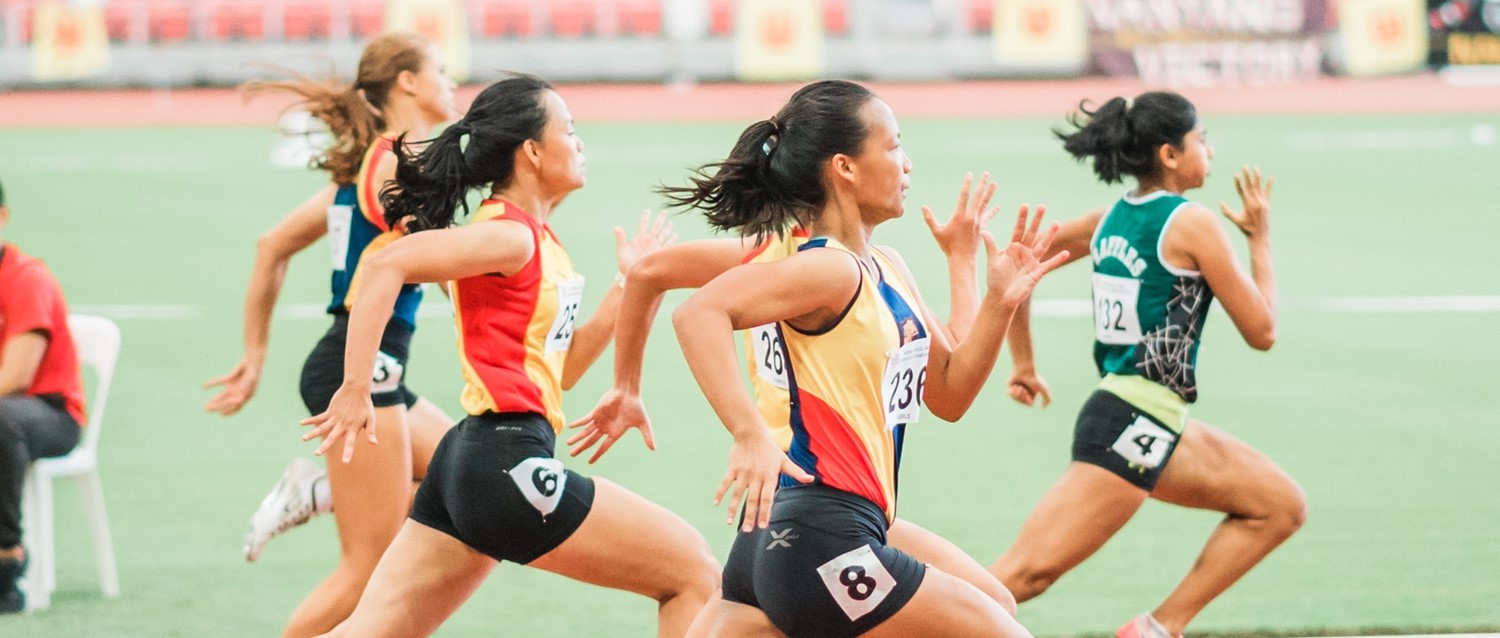
Should you exercise during period times?
Peer reviewed by Dr Sarah JarvisAuthored by Abi MillarOriginally published 3 May 2020
Meets Patient’s editorial guidelines
- DownloadDownload
- Share
- Language
- Discussion
- Audio Version
- Add to preferred sources on Google
It's well known that the menstrual cycle can have an impact on exercise, and not just during your period. Hormonal fluctuations can influence your energy levels and performance all month.
If you've ever seen a tampon advert, you'll be familiar with the format: a woman dances, plays tennis and rides a horse, all while wearing white trousers. The implication is that your period is not a time to curl up with a hot water bottle - it's a time to get active.
Of course, if you're one of the millions of women who suffer with PMSs, bloating or painful periods, the lifestyle sold in the adverts may seem a bit far-fetched. However, there's a grain of truth among the exaggeration. Exercise can be extremely beneficial during your period (though you may want to skip the white trousers).
"The idea that women should not exercise during their period is a complete fallacy, as this is the time of the month when the benefits of exercise can be at their greatest," says Dr Anne Henderson, a Doctify-rated consultant gynaecologist. "There is endorphin and serotonin release during and after exercise, which can have an antidepressant and mood-elevating effect. And, as most women who exercise regularly will know, pushing beyond the sensation of feeling tired is usually beneficial as exercise alleviates this symptom."
On top of that, the endorphin release can have a painkilling effect, which may give you some relief from cramps. And, since exercise increases bowel motility (the speed of digestion), it can help with bloating symptoms.
The start of your cycle
This is not to say that you will necessarily be on top form at this time of the month. As Jocette Coote, co-owner of the boutique gyms F45 Farringdon and Ravenscourt Park, explains, both progesterone and oestrogen are at their lowest during your period, which can cause dips in energy. Rather than ceasing all activity, this is a good time to listen to your body and potentially try some new workouts.
"If you experience painful periods, also called dysmenorrhoea, you know all too well how uncomfortable this time of the month can be," she says. "The good news is that exercises such as light walking may help you decrease these symptoms."
Interestingly enough, this also might be a good time to do some strength training - and that applies all the way through until ovulation.
"Some research has found that strength training during the follicular phase (days 1-14 of the cycle) resulted in higher increases in muscle strength compared to training in the luteal phase (days 15-28 of the cycle)," says a spokesperson for the science team at Clue, the period tracking app. "Therefore, if you start paying attention to your cycle phases, you may find your strength training pays off the most in your follicular phase."
The middle stage
As you approach ovulation (around day 14 for most women), there is a surge in levels of oestrogen and testosterone, while progesterone levels remain stable and low.
"The combined hormone surge usually has an enormously beneficial impact on general well-being, mood, energy levels and ability to exercise and train more easily," says Henderson. "Many female athletes report carrying out their best performances and most effective training during this phase of the cycle."
Martin Hamer, health and fitness tutor at The Training Room, says it's a great time to work out at high intensity, potentially incorporating some heavy weight training.
"Within these first 14 days, a woman's body temperature stays consistent, her pain tolerance increases and her ability to digest and utilise carbohydrates is more efficient," he says. "So, in other words, go out and shift some steel and hit those personal bests within the follicular phase."
A word of warning, though - you might be more injury prone at this time. To use a stark example, women are around three to six more times likely than men to sustain an anterior cruciate ligament (ACL) injury, a common sports injury affecting the knee. Research suggests this may have a hormonal basis, with the risk at its greatest in the days leading up to ovulation.
"More research is needed, but it's worth doing longer warm-up exercises and not overstretching during your fertile window," says the spokesperson for Clue.
The luteal phase
As you move into the luteal phase of the cycle (the days between ovulation and your period), progesterone levels start to rise and oestrogen levels fall.
"This is a more problematic phase of the menstrual cycle for many women, as progesterone is generally seen as a depressant, compared to the mood elevating benefits of oestrogen," says Henderson. "Not surprisingly, this phase of the cycle may have a negative impact on training and exercise."
You may want to drop the intensity of your workouts at this point, as your heart will be working slightly harder than normal and your body temperature will be raised. The upshot is that you may succumb to fatigue more quickly.
"You might also see decreased endurance here, so if you're training for, or racing in, an endurance event, try to opt for shorter workouts during this phase," says Coote.
The Clue team suggests scheduling rest days during your luteal phase, which of course doesn't mean skipping training entirely. It just means being realistic about what's achievable at this time, and not beating yourself up if there's a slight dip in performance - some changes are out of your control.
Tune into how you're feeling
All this said, everyone's body is different, and we don't all respond to hormonal fluctuations in the same way. You might find that your energy levels vary depending on where you are in the cycle, or you might feel strong all month long. This is not to mention that your cycle may be longer or shorter than 28 days - and if your periods are irregular, the relationship between your hormones and your workout performance may be harder to track.
The important thing is to tune into how you're feeling. Simply put, this means easing off if you're tired and pushing harder if you're on top form. Athletes have won their events, or scored personal bests, at all stages of their cycle, which should indicate that nothing is set in stone.
"As female athletes, taking a closer look at how our bodies change throughout our cycle can be an incredibly helpful tool," says Coote. "When we understand what's going on inside us, we can set ourselves up for success in reaching our health and fitness goals."
Patient picks for Periods and period problems
Women's health
Can changing your diet improve PMS?
Symptoms of PMS are common but they range in severity and affect people differently. They can even impact your day-to-day life. Hormones are the cause of PMS, but could certain foods help improve symptoms such as low mood, headaches and bloating?
by Victoria Raw
Women's health
How to get rid of period cramps
If you get periods, it's likely that you will have experienced period cramps and period pain at some point. Thankfully, most of the time menstrual cramps can be managed using tried and tested methods at home.
by Milly Evans
About the authorView full bio

Abi Millar
Freelance Journalist
BA (Hons), MA
Abi is a freelance journalist with a special interest in health and medicine writing.
About the reviewerView full bio

Dr Sarah Jarvis
Clinical Consultant
MA (Cantab), BM, BCh (Oxon), DRCOG, FRCGP, MBE
After training in medicine at Cambridge and Oxford, Dr Sarah Jarvis MBE became a GP.
Article history
The information on this page is peer reviewed by qualified clinicians.
Article also available in English, German, Spanish, French, Italian, Portuguese, Hindi, Hebrew, Arabic, and Swedish.
3 May 2020 | Originally published
Authored by:
Abi MillarPeer reviewed by
Dr Sarah Jarvis
Join the conversation
Share your thoughts or experiences with others in our patient communities.

Ask, share, connect.
Browse discussions, ask questions, and share experiences across hundreds of health topics.

Feeling unwell?
Assess your symptoms online for free
Sign up to the Patient newsletter
Your weekly dose of clear, trustworthy health advice - written to help you feel informed, confident and in control.
By subscribing you accept our Privacy Policy. You can unsubscribe at any time. We never sell your data.
More in women's health
- Bacterial vaginosis videos
- Contraception videos
- Could your PMS be PMDD?
- Does the menopause cause hair loss?
- Genitourinary prolapse treatment options
- How much period pain is normal?
- How to delay your period - is it safe to take norethisterone?
- How to ease joint pain during the menopause
- Is your bra harming your health?
- New insight into breast cancer risk after stopping HRT
- NewPerimenopause and birth control - how the pill can affect your symptoms
- Should vaginal mesh surgery be banned?
- The truth about PCOS and menopause
- Vaginal and vulvar videos
- Video: How do you know you're going through the menopause?
- Video: How does PID affect fertility?
- What to expect when you take the morning after pill
- What's the link between PCOS and diabetes?
- When will I become fertile again after coming off contraception?
- Will we ever have a male contraceptive pill?