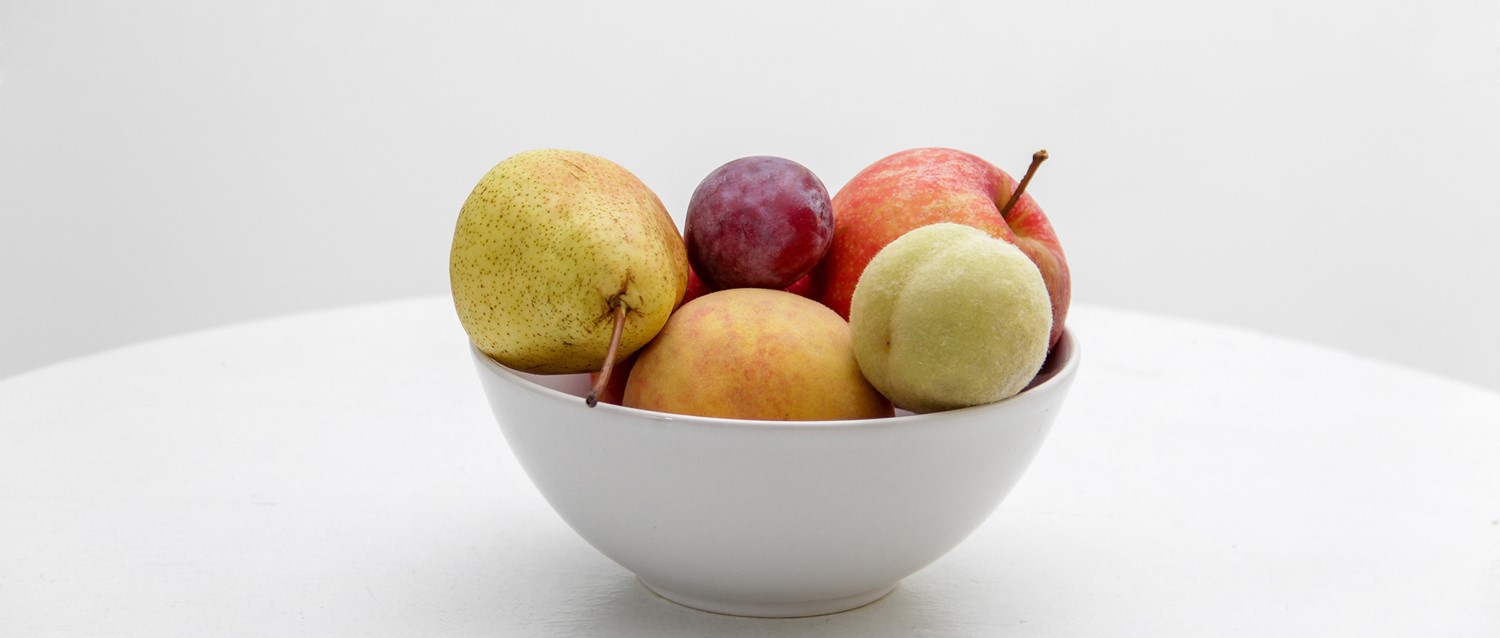
Pourquoi une alimentation saine pourrait être mauvaise pour vos os
Revu par Dr Sarah JarvisDernière mise à jour par Dr Carrie Ruxton, PhD, Nutrition InfantileDernière mise à jour 14 déc. 2017
Respecte les directives éditoriales
- TéléchargerTélécharger
- Partager
- Language
- Discussion
- Version audio
- Ajouter aux sources préférées sur Google
The trend for manger sain continues to dominate social media, especially amongst female bloggers and celebrities. Twitter and Facebook are packed with photos of raw vegetable smoothies and advice to cut out meat, dairy, processed foods and caffeine. But will it do us any good?
Not according to the Société Nationale de l'Ostéoporose which has warned that the popularity of 'clean eating' and overly restrictive diets is setting up young people for a future where broken bones are the norm. In a enquête carried out by the charity, four in ten people aged 18 to 24 years had tried a 'clean eating' diet. This meant that around three million young adults are putting themselves at risk of osteoporosis in later life by avoiding foods that provide key bone health nutrients.
What is clean eating?
No one really knows because there is no agreed definition! As the basic concept is to avoid ‘toxins’ (which has no scientific basis by the way), a so-called 'clean' diet can mean anything from eating lots of unprocessed, raw foods to avoiding entire food groups. An important criticism of clean eating is that our liver does a great job of removing toxins without anyone having to follow a restrictive diet.
A general theme is for clean eaters to avoid red meat, sugar, alcohol, tea and coffee and follow a plant-based diet. As well as this, some cut out dairy foods, gluten/wheat or even all carbohydrates. This is where problems can occur, as some of these food groups contain important nutrients for bone health like calcium, phosphorus, protein and vitamine D.
Get to know your bones
Bones are like giant sponges filled with calcium which turns them into rigid structures. Bones that lack calcium become progressively weak so, taken to extremes, this can lead to rachitisme in children or osteomalacia et ostéoporose in adults.
Good vitamin D status is crucial to this as it improves calcium absorption from our diets and helps to fix the calcium in bones. Studies show that up to 40% of UK adults and teenagers are deficient in vitamin D thanks to a lack of regular sun exposure and low intakes of oily fish.
From the womb until our mid-twenties, bones lay down calcium and other minerals to reach a maximum point. This is called our peak bone mass. Once this has been reached, bone mass is maintained throughout adulthood until age, diet, lifestyle and hormone changes cause it to gradually decline.
Dietician, Gaynor Bussell, comments: "As clean eating can be restrictive, there's a risk that people don't get all of the nutrients they need for optimal bone health, especially if dairy products are shunned. This means that teenagers may never reach an optimal peak bone mass giving them a much higher risk of fractures and osteoporosis in later life."
Diet is not the only factor in good bone health however. Regular weight-bearing exercise, avoiding tobacco, and maintaining a healthy body weight all help. Dietician, Dr Juliet Gray, comments: "Maintaining levels of high-impact physical activity (eg, brisk walking, running, aerobics, dance) will support your peak bone mass, which helps to strengthen bones."
The good news is that bones are living tissues and in a constant state of turnover so it's never too late to give them a boost by eating a healthier diet and taking more exercise. This is particularly important for women and girls, who have an increased risk of bone problems.
Eat balanced, not clean
So, what do you need to include in your diet to keep your bones healthy and, if you do decide to cut out dairy foods, what are the alternatives?
The most important nutrients are calcium and vitamin D. Calcium is found in dairy foods (milk, cheese, yoghurt) as well as green leafy vegetables (kale, Savoy cabbage, spinach), nuts and seeds. Vitamin D is found in oily fish (salmon, tuna, mackerel, trout) and eggs, with smaller amounts in red meat, but the best source in summer is getting some daily sunshine. Experts say that exposing your face and arms is enough for your body to make enough vitamin D but remember to apply sun cream only after you've been outside for 10-15 minutes. This is because sun cream and SPF make-ups block vitamin D synthesis in the skin.
Other nutrients that support bone health are protein (meat, fish, beans and pulses), vitamin K (Brussels sprouts, liver, meat) and phosphorus (dairy foods, meat), vitamin C (fruit, vegetables) and magnesium (fish, nuts, seeds).
Alternatives to dairy
If you or a member of your family do give up dairy foods, it's vital to consume alternative nutrient sources.
Dr Juliet Gray advises: "Nuts, seeds and green leafy vegetables will provide some calcium and some dairy alternatives such as soy and almond milk are fortified with calcium. These foods should be consumed daily to compensate for the calcium that would normally be found in dairy foods. Eggs are a particularly good source of vitamin D and one of the few dietary sources of this vitamin - two eggs provide around two thirds of the nutrient reference value for vitamin D. Œufs are also an excellent source of high-quality protein and contain vitamin K, both of which contribute to bone health."
Gaynor Bussell adds: "If you don't eat dairy foods, it's a good idea to seek advice from a dietician or registered nutritionist to identify alternative dietary sources of bone health nutrients. Such experts can also suggest if you need a supplement."
So, clean eating - whatever that means - isn't a good option for bones, or indeed for general health. Our bones have to carry us through life and could do with some TLC. Choosing foods rich in calcium and vitamin D, and being more active, are a good start.
Sélections des patients pour Ostéoporose
Os, articulations et muscles
Quand commencer à s'inquiéter pour vos os et l'ostéoporose
Vos os changent constamment. Plus vous commencez tôt à prendre des mesures pour soutenir la santé de vos os afin de prévenir l'ostéoporose, mieux c'est.
par Victoria Raw

Os, articulations et muscles
Quels sont les meilleurs exercices pour l'ostéoporose ?
La question de l'exercice avec l'ostéoporose peut sans aucun doute être compliquée. D'une part, l'activité physique est bénéfique pour renforcer les os, mais certains exercices peuvent exposer certaines personnes à un risque de fracture. En conséquence, la confusion tend à régner - combien d'exercice les personnes atteintes d'ostéoporose devraient-elles faire et quels types sont sûrs ?
par Abi Millar
À propos de l'auteurVoir la biographie complète

Dr Carrie Ruxton, PhD, Nutrition Infantile
Diététicien et Écrivain en Santé
Doctorat, Nutrition Infantile
Dr Carrie Ruxton a obtenu son diplôme de diététicienne à l'Université Queen Margaret, Édimbourg, avant de décrocher un doctorat en nutrition infantile.
À propos du critiqueVoir la biographie complète

Dr Sarah Jarvis
Consultant Clinique
MA (Cantab), BM, BCh (Oxon), DRCOG, FRCGP, MBE
Après avoir suivi une formation en médecine à Cambridge et Oxford, le Dr Sarah Jarvis MBE est devenue médecin généraliste.
Historique de l'article
Les informations sur cette page sont examinées par des cliniciens qualifiés.
Article également disponible en Anglais, Allemand, Espagnol, Français, Italien, Portugais, Hindi, Hébreu, Arabe, and Suédois.
14 déc. 2017 | Dernière version

Demandez, partagez, connectez-vous.
Parcourez les discussions, posez des questions et partagez vos expériences sur des centaines de sujets de santé.

Vous ne vous sentez pas bien ?
Évaluez vos symptômes en ligne gratuitement
Inscrivez-vous à la newsletter Patient
Votre dose hebdomadaire de conseils de santé clairs et fiables - rédigés pour vous aider à vous sentir informé, confiant et maître de la situation.
En vous abonnant, vous acceptez notre Politique de confidentialité. Vous pouvez vous désabonner à tout moment. Nous ne vendons jamais vos données.
Plus sur les os, les articulations et les muscles
- Vidéos sur les douleurs dorsales et les exercices
- Combattez le froid : pourquoi le mouvement est important pour vos articulations par temps froid
- Les suppléments de créatine peuvent-ils aider à développer la masse musculaire ?
- Le temps hivernal peut-il aggraver les douleurs articulaires ?
- Combien de protéines avez-vous besoin pour développer vos muscles ?
- Comment prévenir la perte musculaire sur Mounjaro
- Comment protéger vos articulations en vieillissant
- Comment soulager la douleur sciatique
- Comment traiter la douleur au cou
- Comment traiter le tennis elbow à la maison
- La course est-elle mauvaise pour vos genoux ?
- Douleur articulaire - est-ce une bursite ?
- Douleur au genou et vidéos d'exercices
- Vidéo : Exercices pour le mal de dos
- Vidéo : Exercices pour la douleur au genou
- Vidéo : Exercices de récupération après une prothèse du genou
- Qu'est-ce qu'une épaule de 40 ans ?
- Quelle est la différence entre l'arthrose et la polyarthrite rhumatoïde ?
- Quand est-il sûr de reprendre le sport après une blessure ?
- Santé des femmes dans le sport : blessures, menstruation et maternité