
Que peut vous révéler un simple test de lever-assis sur votre santé ?
Revu par Dr Colin Tidy, MRCGPRédigé par Victoria RawPublié à l'origine 20 Oct 2025
Respecte les directives éditoriales
- TéléchargerTélécharger
- Partager
- Language
- Discussion
- Version audio
- Ajouter aux sources préférées sur Google
Vous avez peut-être entendu parler de ce qu'on appelle le test de la position assise à debout. Il est souvent utilisé par les professionnels de la santé pour voir à quel point il est facile pour vous de passer de la position assise à la position debout et vice versa. Bien que cela puisse sembler une méthode simple pour mesurer la santé, cela peut en réalité révéler beaucoup de choses. Ce mouvement simple fournit des indices importants sur le bon fonctionnement de votre corps et si des ajustements sont nécessaires pour vous permettre de fonctionner au mieux.
What is the Sit-to-Stand test?
Put simply, the Sit-to-Stand test is a timed exercise where you stand up and sit back down again. It’s straightforward, safe, and provides valuable insight into how your body is working now, and how it might affect your health in the future.
Cara D’Orazio, a certified personal trainer and accredited sports conditioning specialist through the American College of Sports Medicine (ACSM), Huntington, USA, explains that the Sit-to-Stand test is exactly as the name suggests.
“It sounds simple, but that’s the point,” says the founder of C.G.M. Fitness, Inc. “Professionals such as doctors and even personal trainers use it because it shows so much about how your body’s actually working in real life.
“It’s like a ‘snapshot’ of how well you manage everyday stuff - getting off the couch, stairs, and things like that.”
What does the sit-to-stand test measure?
The Sit-to-Stand test looks at various parts of your physical health - such as leg strength, balance, posture, stamina, and overall mobility.
Kaleigh Ray, a biomechanist and certified exercise physiologist, based in Utah, USA explains that the Sit-to-Stand test is widely used in both healthcare and fitness settings to assess a range of physical abilities.
Ceux-ci incluent :
Strength.
Coordination.
Balance.
Posture.
Biomechanics - how your body's built, how it functions, and how it moves.
Ray explains that she uses the Sit-to-Stand test with new clients to check joint alignment at the knees and hips. This helps her to identify weaknesses, imbalances, and compensations.
“I use this test in conjunction with a walking or running gait analysis to find areas that could be improved with strength training and gait retraining,” she says. “I’m also assessing whether they have the strength, balance, and coordination to complete the movement.
“If the client is hesitant to do the test, that could be another indication that they are experiencing pain or need to improve their trust in their current strength.”
How to do the sit-to-stand test
The Sit-to-Stand test comes in a few different versions, each aimed at assessing different aspects of your body’s function.
Dr Micheal Genovese is Chief Medical Advisor at AscendantNY in New York City, USA. He explains each type of test, including what it’s used for:
30-second - how many times a person can rise to full standing and sit back down in 30 seconds. This measures muscular endurance of the lower body and functional capacity.
5-times - how long it takes a person to complete 5 full sit-to-stand cycles. This can measure lower body strength and power, and dynamic balance.
Ten-times - similar to the five-times but with 10 cycles, this measures strength and muscular endurance.
One-minute - how many cycles a person can complete in 60 seconds. This measures endurance, strength, and cardiovascular response.
Genovese adds: “Sit-to-stand-to-sit with balance analysis uses sensors or force plates to analyse weight distribution, timing, and stability during each step. This measures balance, coordination, and biomechanics.
The Sit-to-Stand test is used by health professionals to assess specific aspects of your health. They are the best people to interpret the results.
However, if you’re curious about what the test involves, here’s a quick look at what to expect:
Sit on a straight-backed chair placed against a wall, with a firm seat and no armrests.
Place both feet flat on the floor with your knees bent at 90 degrees.
Rest your hands on your hips, or cross them over your chest - whichever will make you less tempted to use them during the exercise.
Without pushing off with your arms or hands, rise from the chair until your legs are fully straight.
Then keep sitting and standing - either as many times as you can or for the set number of repetitions or time required.
The test results are usually based on either how many repetitions you complete or the time it takes to reach the required number of sit-to-stands, depending on which version of the test you’re doing. A health professional will then interpret the results to help guide your health and fitness progress.
Ray cautions that some people may need additional equipment while performing this test.
“For example, an athlete who is currently participating in their sport will likely not need additional equipment,” she says. “However, an elderly or injured person may require a spotter - a person ready to support the participant if they fall or cannot complete the movement. They may also need something to hold on to or a mobility aid.”
How to improve your sit-to-stand score
If a health professional feels your score highlights an area to improve to keep your body functioning well for longer, they may suggest certain exercises or strategies to help boost your sit-to-stand performance. Our experts explain what these adjustments might involve.
Focus on exercise
People who stay physically active usually perform better on the Sit-to-Stand test. One of the most effective ways to improve your score is by doing exercises that target specific areas of your body.
Genovese advises you to focus on the following:
Squats, step-ups, lunges - for lower body strength.
Planks, bird dogs - for balance and core stability.
Resistance band sit-to-stand - for power and speed.
Stair climbing, circuit training - for endurance and functional capacity.
Ray adds that leg raises and calf raises may be helpful, too.
Elle dit : “I also recommend single-leg balance training that targets the hips and ankles - such as balance boards. Foam rolling, yoga, and stretching can improve your range of motion.”
Manage your weight
Poids can influence how challenging the Sit-to-Stand test feels, since carrying more weight can make each stand and sit more difficult.
Ray explains that people with overweight may have more trouble with the test, depending on their mobility and activity level.
“People who are underweight may also lack the muscle strength to complete the exercise,” she adds.
Fuel your body and prioritise sleep
While staying active can help keep your strength and stamina up, Genovese emphasises that quality sleep is key for muscle recovery. He also notes that mental health plays an important role in your power, endurance, and coordination.
Genovese and D’Orazio both stress that good nutrition powers your muscles. Incorporating protein, micronutrients, and antioxidants into your meals helps keep your muscles strong and supports recovery.
How quickly you see improvement in your Sit-to-Stand score depends on the guidance from your health professional and the specific area you’re working to improve.
Ray explains that if you’re fairly active, you could see improvements in your Sit-to-Stand test with a few rounds of practice.
“Cues from a coach or trainer could also lead to fast improvements,” she adds. “Neuromuscular adaptations happen quickly, allowing you to learn new movement patterns. Deficits in strength or balance will take longer. I encourage my clients to stick to a training program for at least six weeks before they expect noticeable improvements.”
Sélections des patients pour Santé
Mode de vie sain
Les entraînements du week-end pourraient suffire pour votre santé
Une nouvelle étude révèle que pratiquer 150 minutes d'activité physique modérée à vigoureuse sur 1 à 2 jours est aussi bénéfique que de la répartir sur une semaine. Cette approche de l'exercice dite du 'guerrier du week-end' peut améliorer significativement votre santé et même réduire votre risque de mourir prématurément.
par Victoria Raw
Mode de vie sain
Ce que votre tour de taille révèle sur votre santé
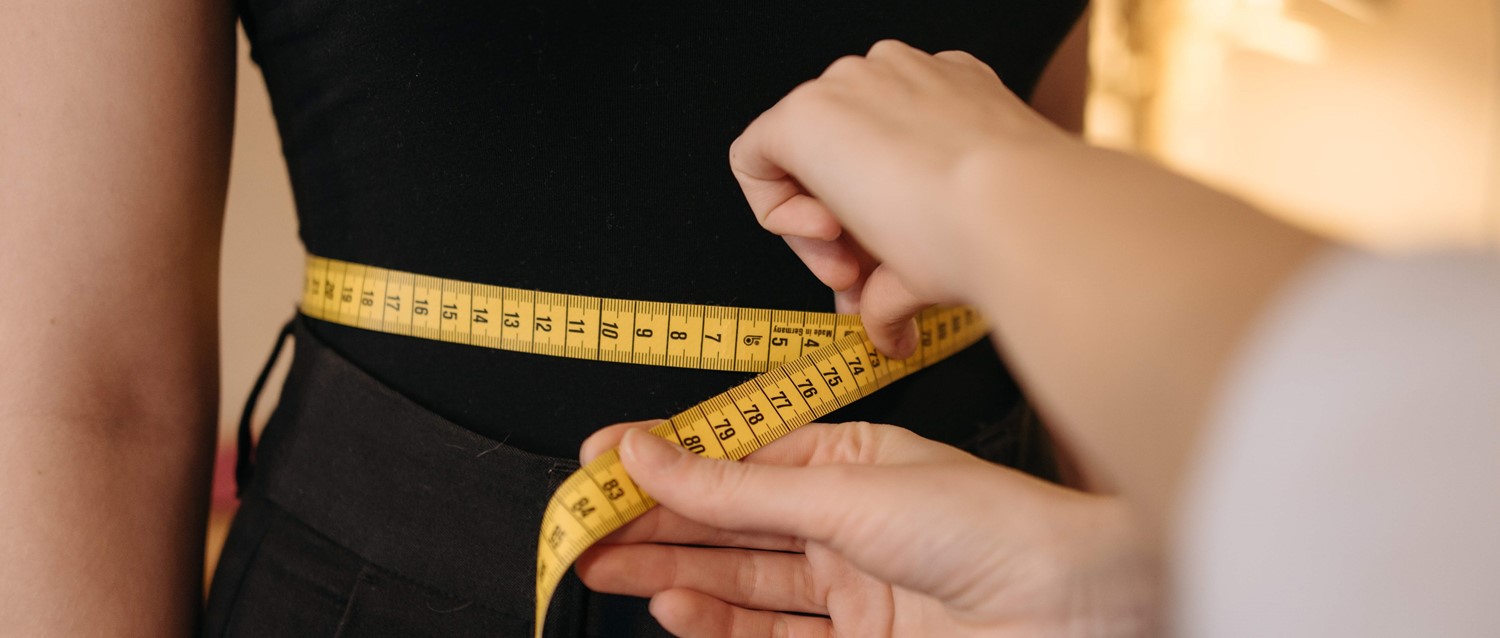
We all know that if we consume excess calories and fail to burn them off, our body stores them as fat. Many of us are also aware of our problem areas - perhaps we're prone to gaining weight on our thighs, or around our middle. A little extra weight may not be harmful to our health, so how do we know if we're still in a healthy zone?
par Gillian Harvey
À propos de l'auteurVoir la biographie complète

Victoria Raw
Auteur de chroniques
Licence (Hons), Littérature anglaise
Victoria est rédactrice de contenu chez Patient, avec des intérêts particuliers pour le bien-être mental, les tendances sociétales et l'impact de la technologie sur notre santé.
À propos du critiqueVoir la biographie complète

Dr Colin Tidy, MRCGP
Médecin généraliste, Auteur médical
MBBS, MRCGP, MRCP (Paediatrics), DCH
Le Dr Colin Tidy est un médecin du NHS, basé dans l'Oxfordshire.
Historique de l'article
Les informations sur cette page sont examinées par des cliniciens qualifiés.
Article également disponible en Anglais, Allemand, Espagnol, Français, Italien, Portugais, Hindi, Hébreu, Arabe, and Suédois.
Next review due: 20 Oct 2028
20 Oct 2025 | Publié à l'origine
Écrit par :
Victoria RawRevu par
Dr Colin Tidy, MRCGP

Demandez, partagez, connectez-vous.
Parcourez les discussions, posez des questions et partagez vos expériences sur des centaines de sujets de santé.

Vous ne vous sentez pas bien ?
Évaluez vos symptômes en ligne gratuitement
Inscrivez-vous à la newsletter Patient
Votre dose hebdomadaire de conseils de santé clairs et fiables - rédigés pour vous aider à vous sentir informé, confiant et maître de la situation.
En vous abonnant, vous acceptez notre Politique de confidentialité. Vous pouvez vous désabonner à tout moment. Nous ne vendons jamais vos données.
Plus sur la santé générale et le mode de vie
- Les rendez-vous chez le médecin en ligne sont-ils l'avenir des soins de santé ?
- Do Blue Zones hold the secrets to a longer life?
- Une pilule quatre-en-un pourrait prévenir les problèmes cardiaques
- Comment la technologie peut-elle nous aider à gérer les problèmes de santé ?
- Comment la technologie aide-t-elle à responsabiliser les patients dans leur propre santé ?
- Comment faire face à une vague de chaleur en plein air
- Comment protéger vos enfants du soleil cet été
- Comment prendre soin de l'asthme de votre enfant cet été
- Comment s'entraîner pendant une vague de chaleur
- Existe-t-il un écart de santé pour la communauté LGBTQ+ ?
- Votre travail met-il votre santé en danger ?
- Les protéines végétales pourraient aider à prévenir l'hypertension
- Devriez-vous aller travailler lorsque vous avez un rhume ?
- Les signes avant-coureurs de l'insolation et de l'épuisement dû à la chaleur
- NouveauQu'est-ce que le système endocannabinoïde - et pourquoi est-il important ?
- Ce que c'est que d'accoucher le jour de Noël
- Que faire si vous êtes inquiet pour la santé d'un proche
- Que faire en attendant les services de traitement de la drogue ou de l'alcool
- Quelles conditions médicales affectent votre conduite ?
- Pourquoi devriez-vous parler à vos proches de don d'organes