Handy tips to reduce your food waste
Peer reviewed by Dr Krishna Vakharia, MRCGPLast updated by Amberley DavisLast updated 17 Jan 2024
Meets Patient’s editorial guidelines
- DownloadDownload
- Share
- Language
- Discussion
- Audio Version
- Add to preferred sources on Google
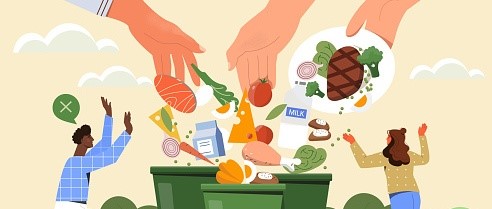
In the UK, each person wastes around 100 kg of food on average every year. Throwing away uneaten food is bad for both people and planet, but there are steps you can take at home to reduce food waste and protect public health both in the present and in the future.
What is food waste?
Food waste is when food that's grown and manufactured for consumption isn't used or eaten. Globally, around one third of all food is wasted every year1, and this has huge implications for our planet and our own health.
Food can get lost anywhere from farm to fork - at any stage in the supply chain.
How much food is wasted or lost?
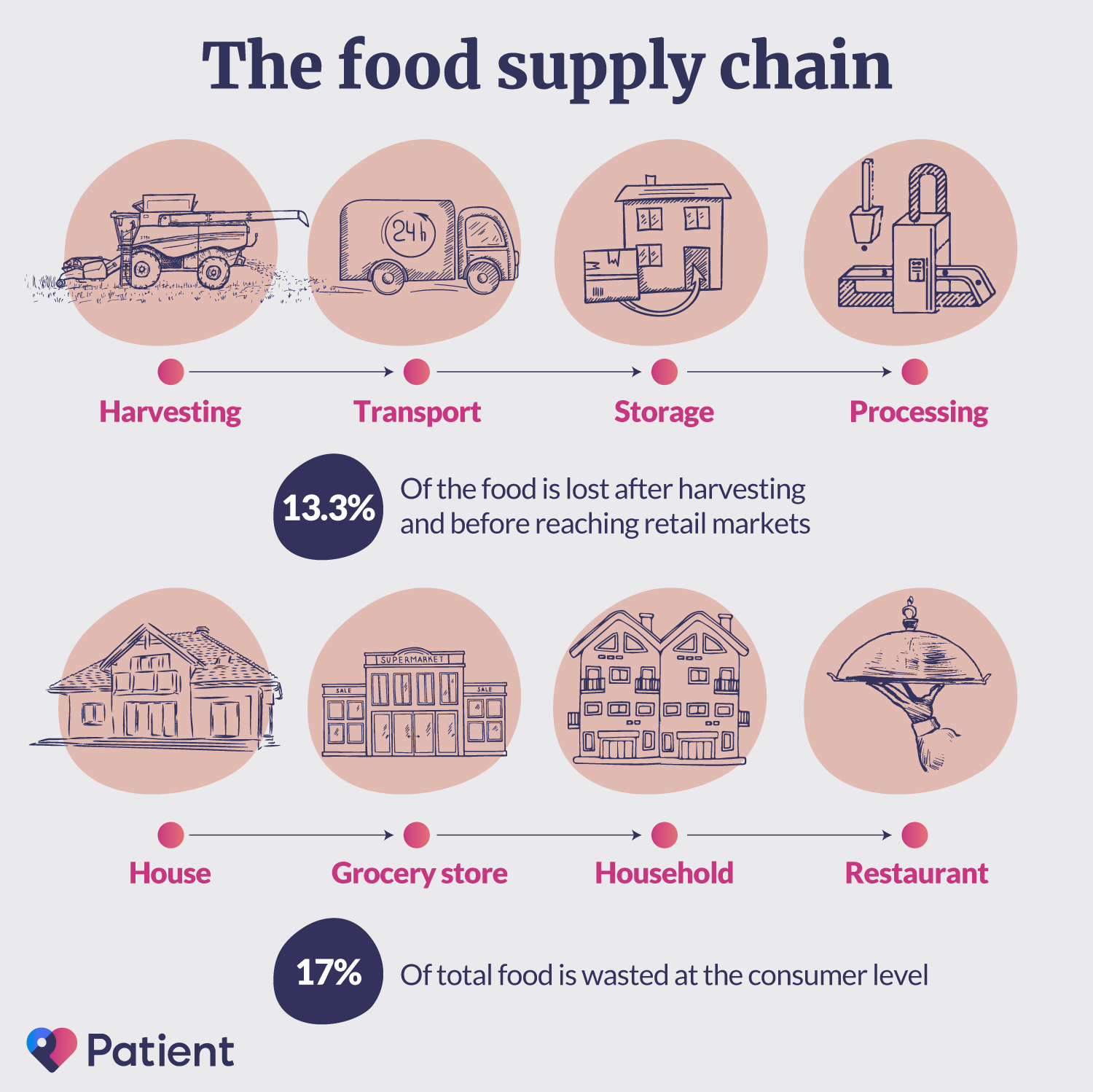
Dr Elliot Woolley is a senior lecturer in sustainable manufacturing at Loughborough University. He says that in the UK - and most developed countries - the largest proportion of food waste occurs because consumers throw it away, as opposed to food that's discarded during manufacturing and retail.
"UK household food waste is more than 6.5 million tonnes per year2. This equates to around 100 kg per person on average. Some of this food waste is unavoidable - for example, eggshells, meat bones, and banana skins - but more than two-thirds is avoidable."
What food do we waste at home?
There a several things you might be doing at home which increase your household's food waste. Dr Woolley describes three common human behaviours:
We tend to not be very good at keeping track of what we have in the fridge and cupboards and so food often gets discarded once it is past its best.
We are typically not very efficient at preparing food and often end up with leftovers which may go to waste.
Despite food prices increasing, for many people it is still an affordable waste. So, if we don't like something or just decide we don't want it, there is no real barrier to it being discarded.
How does food waste affect the environment?
In November and December 2023, the United Nations Framework convention on Climate Change - known as COP28 - recognised "the particular vulnerabilities of food production systems to the adverse impacts of climate change", and devoted a day to food and agriculture for the very first time3.
COP28 unveiled it's first road map designed to bring food production in line with global climate goals - and food waste is to play a central part, with the goal of halving all food waste emissions by 2030.
Giving food production high priority in COP28 shows that experts and world leaders are recognising the huge carbon footprint of this industry, and that inefficiencies - including food waste - need to be addressed.
A carbon footprint is the total environmental impact of an item or activity. In the context of climate change, when we waste food, we're also wasting all the environmentally damaging processes used in its production. This includes all the water and energy it takes to grow, harvest, transport, store, and package that food and drink, as well as the production of harmful substances, such as farming pesticides and factory pollution.
Here we put two significant environmental effects of food waste under the microscope:
Greenhouses gases
Food production, transportation, and handling releases significant levels of carbon dioxide (CO2) - a greenhouse gas that increases climate change by trapping heat in the atmosphere and warming the surface of the Earth. The food we discard in our household general waste also ends up in landfills. Once here, it biodegrades which causes it to produce another potent greenhouse gas called methane.
Food waste is estimated to account for up to 10% of global greenhouse gas emissions4.
Biodiversity
Discarding food also means wastage in the very first step of food production - farming. In the UK, around 70% of land is used for agriculture5. While farming is important for food security, space for farming also means clearing natural ecosystems and reducing biodiversity - the variety of species in a given area. Food waste means we're using this cleared space inefficiently.
Food waste can also be eaten by wildlife, and decaying or highly-processed foods could cause them harm. This may affect their numbers and throw ecosystems out of balance.
How does food waste affect public health?
Nutrient wastage
Food waste and nutrient wastage are closely linked. President and CEO of The Global FoodBanking Network Lisa Moon explains:
"Every tonne of food wasted is a missed opportunity to make diverse diets available to all, and to improve access to nutritious food options for the more than three billion people worldwide who cannot afford a healthy diet6.
“Around one third - or around 1.3 billion tonnes - of the food produced for human consumption gets lost or wasted every year7. Recovering just a quarter of this would be enough to feed the 870 million people facing hunger in the world."
People who struggle to afford or to source a nutrient-rich diet face several health issues. For example, undernourished children are more likely to experience obesity, diabetes, heart attacks, and stroke later in life.
Moon believes that food banks can help address the issue by enabling many families to include greater amounts of surplus fruits and vegetables in their diet, and by curating culturally appropriate nutrition education programmes for communities.
Effects of climate change
The large carbon footprint of food waste is likely to affect public health in a big way in the future.
Dr Woolley says "extreme heat waves or cold spells will likely lead to increase death rates across the most vulnerable in the world. The impact of extreme weather patterns could also affect food supply resilience, such as loss of particular crops, which could mean national shortages of some nutrients. Increased levels of water borne diseases and famine rates in some of the poorer countries of the world are also likely to be apparent."
Moon adds that a higher carbon dioxide concentration in the atmosphere has been shown to reduce crop yield8 and may negatively affect the nutritional quality of some grains and legumes - which can lead to zinc and iron deficiencies for those that consume them.
Food litter
Incorrect disposal of food waste presents a more immediate danger to human health. Dropping food in the street or any undesignated area creates a breeding ground for bacteria and may attract vermin and parasites which can spread viruses and diseases.
How to reduce food waste
Dr Woolley shares his top tips to reduce food waste at home:
Planning - carefully plan what you are going to eat over the next few days or week, taking into consideration any items you may already have.
Shopping list - once you know what you want to buy, make a shopping list and stick to it. Don't be drawn in by offers as they make you buy food you don't really need.
Storage - at home, make sure it is stored correctly; for example in the cupboard, fridge, or freezer.
Use by and best before dates - he use by is for food safety and you should abide by this. Best before is an indicator of quality - food past this date is often perfectly safe to eat.
Preparation - when preparing food, make sure you cook the right amount and try to use fruit and vegetables as efficiently as possible to avoid large off-cuts and excessive peelings.
Leftovers - if there are any leftovers, treat these with respect. Store them appropriately and use them as part of one of your future meals.
You can also go one step beyond reducing your own food waste and pick up and share food that otherwise would have gone to waste - apps like Olio allow you to do this for free.
Moon also urges the UK government to make it easier for more businesses to donate or redistribute surplus food. "We need policies that allow non-perishable products to be donated after their best before date but when they are still safe to consume.
"By creating a more circular food economy through redistribution, we can make food systems as a whole more sustainable for people and planet."
Further reading
United Nations: Ensure sustainable consumption and production methods.
COP28: UAE declaration on sustainable agriculture, resilient food systems, and climate action.
United Nations Environment programme: UNEP food waste index report 2021.
Innovative UK KTN: Biodiversity and Food Production: The Future of the British Landscape.
Patient picks for Environmental conditions
General health and lifestyle
Microplastics in drinking water not an urgent health risk
The World Health Organization (WHO) has called for further assessment of microplastics in the environment and their potential impacts on human health.
by Ashwin Bhandari
General health and lifestyle
How does climate change affect mental health?
From extreme weather events to TV and social media news stories, the climate change crisis touches everyone's lives in one form or another. How is this affecting our mental well-being? And how can we try to stay positive in an increasingly negative world?
by Amberley Davis
About the authorView full bio
Updated by

Amberley Davis
Senior writer
BA (Hons), CPD
Amberley is a senior writer with Patient and has written extensively on a range of health and wellbeing topics.
Authored by
Amberley Davis
Senior writer
BA (Hons), CPD
Amberley is a senior writer with Patient and has written extensively on a range of health and wellbeing topics.
About the reviewerView full bio

Dr Krishna Vakharia, MRCGP
Chief Medical Officer for Health, Optum UK
MBChB, MRCGP(2013), BMedSci (hons), DFSRH, DRCOG, PGDipDerm (Distn)
Dr Krishna Vakharia is an NHS GP. She is also a regular examiner for the postgraduate Diploma in Practical Dermatology at Cardiff University as well as being the Chief Medical Officer for health at Optum UK.
Join the conversation
Share your thoughts or experiences with others in our patient communities.

Ask, share, connect.
Browse discussions, ask questions, and share experiences across hundreds of health topics.

Feeling unwell?
Assess your symptoms online for free
Sign up to the Patient newsletter
Your weekly dose of clear, trustworthy health advice - written to help you feel informed, confident and in control.
By subscribing you accept our Privacy Policy. You can unsubscribe at any time. We never sell your data.