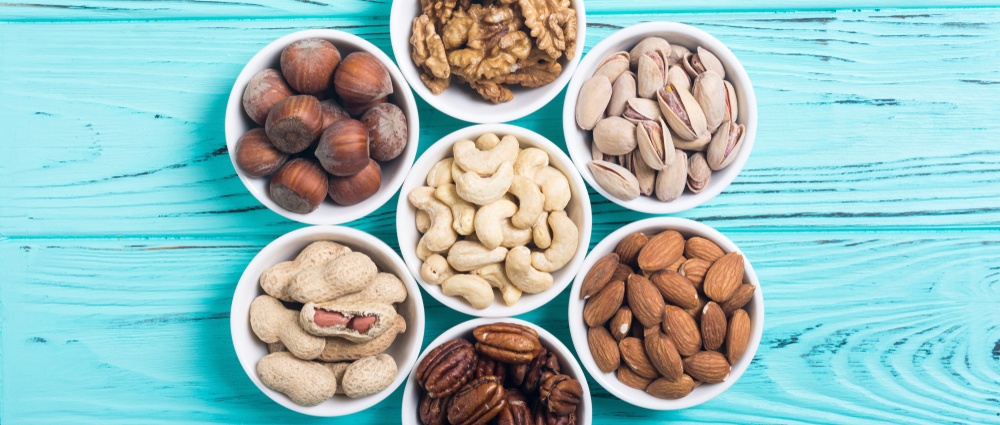
8 high-protein nuts to boost your strength
Peer reviewed by Dr Colin Tidy, MRCGPLast updated by Lynn StephenLast updated 3 Feb 2026
Meets Patient’s editorial guidelines
- DownloadDownload
- Share
- Language
- Discussion
- Audio Version
- Add to preferred sources on Google
Packed with protein, delicious, easy to eat, and versatile - nuts are a great source of fuel for people building their fitness and strength. But not all nuts are created equal, which is why we count down the top eight nuts you should eat while strength training and serve these up with tasty recipe ideas.
Why nuts are good for strength
If you're looking to increase your strength and build or tone muscle, there is no escaping the importance of protein in your diet. Protein is a nutrient made up of essential amino acids - the building blocks for muscle tissue, and all other tissues and cells in your body.
Any strength exercise routine you undertake will have limited results unless you also consume the optimal amount of protein per day as part of a healthy diet.
Nuts are an excellent plant-based protein source for both vegetarians and meat eaters. For years, meat sources of protein have enjoyed good publicity, but while we need to moderate meat consumption to protect our heart health, eating lots of high protein nuts can help keep our hearts healthy.
These eight common high protein nuts pack in the most protein per 100 grams serving.
All protein figures below can be found on the US Department of Agriculture website.
8 high-protein nuts
1. Peanuts
Protein: 25.8 grams per 100 grams of peanuts.
Peanuts top the list for providing the most grams of protein per serving. Even though peanuts are considered a nut from a nutritional standpoint, they belong to the legume family. This means they're related to lentils, chickpeas, and beans - all of which are also protein-rich and good for your heart.
Peanuts also contain many vitamins and minerals, including biotin which helps to convert the food you eat into energy - another great benefit for those who are strength training.
Like all nuts, you can enjoy their delicious nutty, earthy flavour as a raw snack, or incorporate them in many dishes.
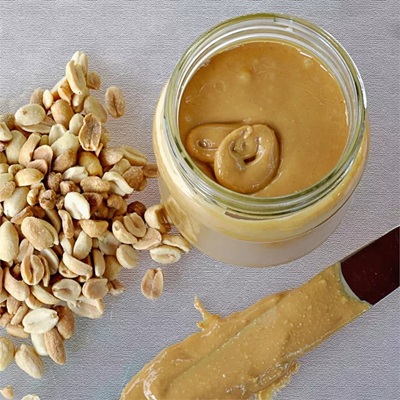
Recipe idea: Homemade peanut butter.
Homemade peanut butter
2. Almonds
Protein: 21.2 grams per 100 grams of almonds.
From a culinary standpoint, almonds are grouped with nuts - their nutty, woody, and sweet flavour can be prepared in many different ways in cooking. However, almonds are technically a high protein seed. Like many nuts, they are high in antioxidants, reducing cell damage made by reactive molecules known as free radicals - which is one of the risk factors for heart disease and some cancers.
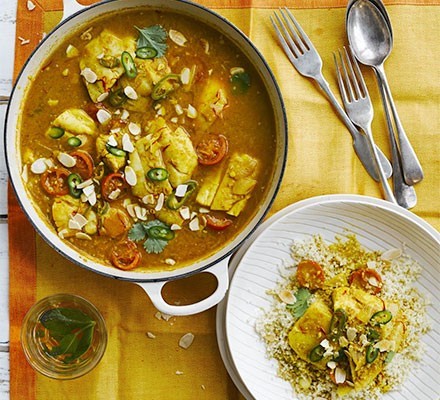
Recipe idea: Fish tagine with saffron and almonds.
Fish tagine with saffron & almonds
3. Pistachios
Protein: 20 grams per 100 grams of pistachios.
These high protein nuts have milder, sweeter notes and a lower fat and higher fibre content compared with other nuts. This makes them a good choice for people looking to create a calorie deficit while remaining fuller for longer - especially useful for healthy weight loss.
Other health benefits of pistachios include their high amounts of vitamins and minerals, and their higher ratio of essential amino acids to protein content, when compared with other common nuts. Minerals, vitamins, and essential amino acids support a wide range of crucial mechanisms in your body.
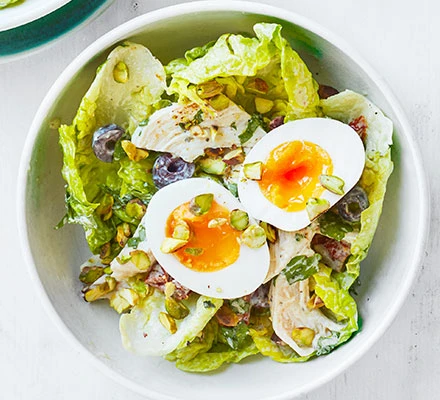
Recipe idea: Chicken and pistachio salad.
Chicken and pistachio salad
4. Cashews
Protein: 15.3 grams per 100 grams of cashews.
Cashew nuts are a good source of protein as well as several other health-promoting nutrients, including copper. This essential trace mineral is needed for many physiological processes, including brain development, cell and tissue creation, and immunity.
When you don't get enough copper, you have a higher chance of developing health issues such as anaemia, high cholesterol, osteoporosis, and an increased vulnerability to infections.
Cashews can be blended to add rich, nutty notes to sauces or added to dishes raw to add crunch and texture.
Recipe idea: Cashew and fragrant vegetable biryani.
Cashew and fragrant vegetable biryani

5. Walnuts
Protein: 15.2 grams per 100 grams of walnuts.
As well as being another protein-rich nut, the dry and slightly bitter walnut is an especially healthy nut for your heart. One large study found that eating walnuts and peanuts regularly could significantly reduce your chance of developing coronary heart disease and cardiovascular disease.1
It's believed that this is because both walnuts and peanuts are particularly rich in a plant-based form of omega-3 fatty acids - called alpha-linolenic acid (ALA) - that can protect your heart and ward-off heart disease.
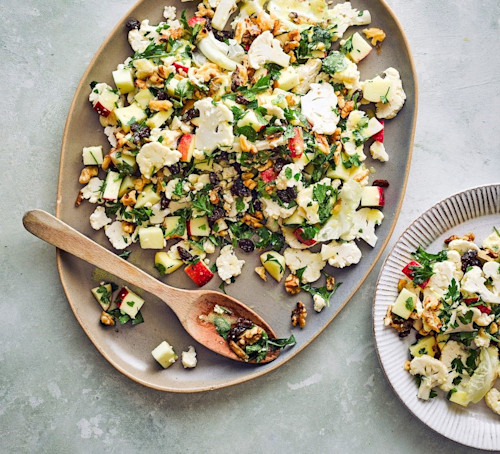
Recipe idea: Walnut, cauliflower and apple salad.
Walnut, cauliflower and apple salad
6. Hazelnuts
Protein: 15 grams per 100 grams of hazelnuts.
Hazelnuts are another great source of protein for muscle building. These are the nuts used in nutty chocolate spreads such as Nutella - their woody, nutty taste complimenting the sweet chocolate.
When eaten regularly, they can also help to lower LDL (bad) cholesterol and increase HDL (good) cholesterol, regulate blood pressure, and can help improve blood sugar levels. These benefits are reversed when you stop eating these delicious, earthy nuts, so it's best to keep them in your diet.
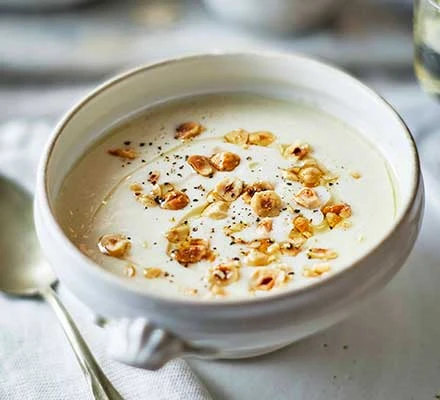
Recipe idea: Celeriac, hazelnut, and truffle soup.
Celeriac, hazelnut, and truffle soup
7. Brazil nuts
Protein: 14.3 grams per 100 gram of Brazil nuts.
These high protein nuts have a smooth, buttery texture and are relatively large. Due to their size, eating only one Brazil nut a day provides your daily requirement of selenium. This antioxidant helps to protect your cells from damage, may help fight off infection, and supports your thyroid - a gland that controls your metabolism.
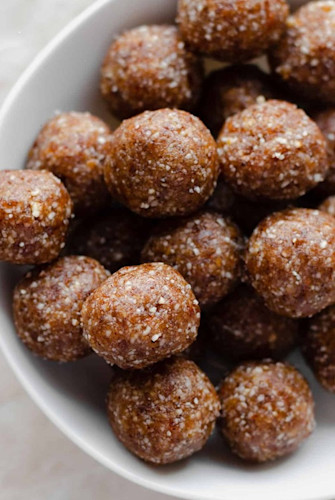
Recipe idea: Apricot and Brazil nut energy balls.
Apricot and Brazil nut energy balls
8. Pine nuts
Protein: 13.7 grams per 100 grams of pine nuts.
Mild and sweet tasting pine nuts are actually seeds from pine cones. However, their nutritional benefits are in-line with the other nuts we've looked at - they are a source of healthy fats which helps to ward of heart disease, they're loaded with essential vitamins and minerals, and they have anti-inflammatory properties which, among other health benefits, could help to limit the spread of cancer.
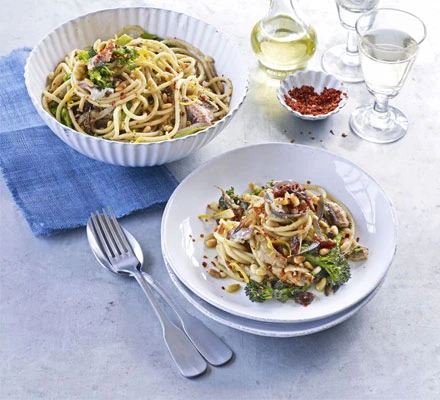
Recipe idea: Pasta with pine nuts, broccoli, sardines and fennel.
Pasta with pine nuts, broccoli, sardines and fennel
Patient picks for Exercise and physical activity
Diet and nutrition
5 high-protein vegetarian meals to keep your strength up
It wasn't long ago that people thought to be strong, toned and healthy you had to follow a meat-heavy diet. We now know that this is not the case, and vegetarian sources of protein can be used in a variety of exciting, nutritious, and delicious meals.
by Amberley Davis
Healthy living
Natural protein verses protein powder: which is better for strength training?
Consuming enough protein is essential for building strong muscles. Protein powder shakes are not a complete replacement for natural protein sources found in your food. However, you may consider supplementing your diet and strength-training regime with protein shakes. Before you decide if this is right for you, there are several benefits and considerations to take into account.
by Amberley Davis
Further reading and references
- Guasch-Ferre M, Liu X, Malik VS, et al; Nut Consumption and Risk of Cardiovascular Disease. J Am Coll Cardiol. 2017 Nov 14;70(20):2519-2532. doi: 10.1016/j.jacc.2017.09.035.
About the authorView full bio

Amberley Davis
Senior writer
BA (Hons), CPD
Amberley is a senior writer with Patient and has written extensively on a range of health and wellbeing topics.
About the reviewerView full bio

Dr Colin Tidy, MRCGP
General Practitioner, Medical Author
MBBS, MRCGP, MRCP (Paediatrics), DCH
Dr Colin Tidy is an NHS Doctor, based in Oxfordshire.
Article history
Article also available in English, German, Spanish, French, Italian, Portuguese, Hindi, Hebrew, Arabic, and Swedish.
Next review due: 3 Feb 2029
3 Feb 2026 | Latest version
9 Dec 2022 | Originally published
Authored by:
Amberley Davis
Join the conversation
Share your thoughts or experiences with others in our patient communities.

Ask, share, connect.
Browse discussions, ask questions, and share experiences across hundreds of health topics.

Feeling unwell?
Assess your symptoms online for free
Sign up to the Patient newsletter
Your weekly dose of clear, trustworthy health advice - written to help you feel informed, confident and in control.
By subscribing you accept our Privacy Policy. You can unsubscribe at any time. We never sell your data.
More in healthy living
- Are e-cigarettes a safe way to quit smoking?
- Deep resting squat - can this simple posture unlock flexibility, mobility, and longevity?
- Does BMI matter?
- Fagerström test
- Half of smokers would quit if they were paid to do so
- How does losing a lot of weight affect your mental health?
- How to look after your liver during freshers’ week
- How to talk to your partner about painful sex
- How your teeth can affect your self-esteem
- Insomnia linked to increased risk of heart disease and stroke
- Is your exercise routine giving you acne?
- Should you eat before swimming and what types of food are best?
- Switch off TV in the bedroom to avoid weight gain
- The mental health impact of skin conditions
- What is the difference between mental health and mental illness?
- What not to say to someone who doesn't drink alcohol
- Why spending time outdoors can improve your health
- Will the government's obesity strategy work?