Regarder des films d'horreur peut-il réduire le stress ?
Revu par Dr Krishna Vakharia, MRCGPDernière mise à jour par Lydia SmithDernière mise à jour 31 oct. 2023
Respecte les directives éditoriales
- TéléchargerTélécharger
- Partager
- Language
- Discussion
- Version audio
- Ajouter aux sources préférées sur Google
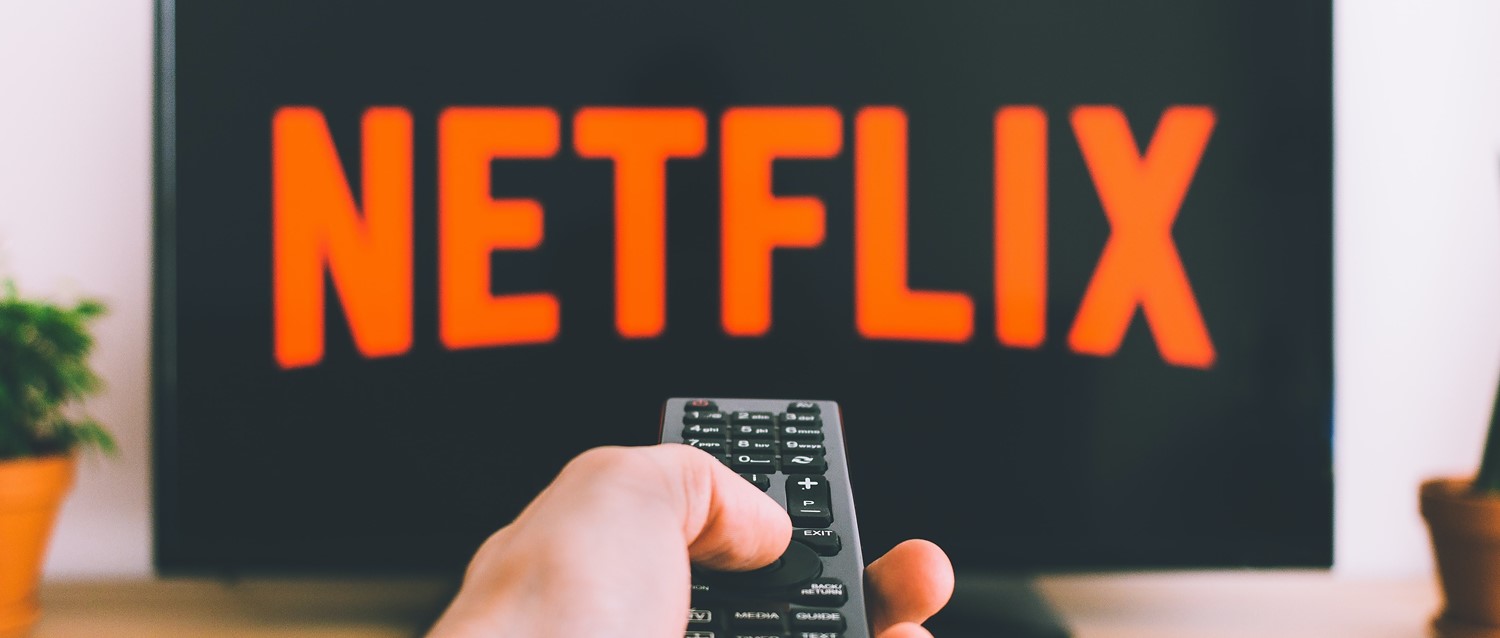
Lorsque nous pensons à des activités relaxantes, s'installer pour regarder un film sur un tueur en série traquant une victime avec une hache n'est probablement pas ce qui vient à l'esprit. Pourtant, beaucoup d'entre nous aiment regarder des films d'horreur - et bien que cela puisse sembler contre-intuitif, certaines personnes trouvent même que cela aide à réduire le stress.
Soutien en santé mentale pour les adultes et les enfants
Thérapie cognitivo-comportementale (TCC) et thérapie psychologique en ligne pour les adultes et les enfants de 8 à 17 ans. Les cliniciens agréés de Onebright accompagnent les personnes confrontées à l’anxiété, à la dépression et à d’autres difficultés émotionnelles.
Les films d’horreur procurent un sentiment de contrôle
Lee Chambers, psychologue et consultante en bien-être, explique que regarder des films d’horreur peut réduire l’anxiété et le stress de plusieurs façons — tout dépend de la manière dont nous percevons ce qui se passe sous nos yeux.
"While our conscious perception is able to understand that what we are seeing is simulated, our amygdala detects peur and prepares us for threatening situations," he explains."This ability to experience negative emotions in a safe and controlled environment can become a playpen to explore limits and reactions in."
Watching scary films may also provide a sense of soulagement because they provide a sense of well-defined fear with a clear source and an element of control. Unlike in real life, we are able to pause films when they become too much. We can hide behind our hands or turn the TV off to return to our familiar environment.
"There is no doubt that being in a comfortable and safe environnement plays a role in how people can experience fear in a controlled way. You control how much you want to watch," says Chambers. "And there's even a case to say that you can gain a feeling of mastering and controlling your fear as you go through the movie and repeatedly test your fear response."
Thérapie par exposition
Horror films can also help us to face our fears in a safe, controlled environment. Essentially, by watching a horor film we are engaging in a form of exposure la thérapie, a psychological treatment developed to help people confront their worries and phobias. It is based on the theory that exposing yourself to things you are peur of can help break patterns of avoidance and fear.
"« Certaines personnes disent que faire face à la peur dans un environnement confortable leur permet de s’y exposer utilement, de s’exercer à des stratégies d’adaptation et d’éprouver un sentiment de contrôle », explique Chambers. « Même si regarder des films d’horreur nous tient généralement en haleine, nous savons souvent que les événements échappent à notre contrôle et qu’il est probable que la justice finira par triompher. »".
Yuko Nippoda, a psychotherapist and spokesperson for the Conseil britannique pour la psychothérapie (UKCP), adds that testing our fear limits within safe boundaries can also help to reinforce our sense of safety.
"« Quand les gens regardent des films d’horreur, ils peuvent associer l’image du danger du monde extérieur à leur propre vie et savoir qu’ils sont en sécurité tant qu’ils sont chez eux », dit-elle. « Leur sentiment de sécurité s’en trouve alors renforcé. Imaginons qu’il y ait une grosse tempête, mais que nous nous sentions en sécurité à l’intérieur de la maison. Ce sentiment de sécurité réduit le stress. »".
Le paradoxe entre peur et plaisir
Margee Kerr, a sociologist and author of Scream: Chilling Adventures in the Science of Fear, has carried out research on the 'fear enjoyment complex'. She suggests that fun-yet-scary experience may be able to help us change what we register as stressant, tout en renforçant la confiance en soi.
Pour explorer cette idée, Kerr a mené une étude dans une attraction hantée en Pennsylvanie. Plus de 260 visiteurs ont été invités à répondre à un questionnaire sur leurs attentes et leur état d’esprit avant et après leur visite de la maison hantée1. Leur activité cérébrale a également été suivie.
The results showed the guests experienced higher humeur straight after the scary activity - and the more scary their experience, the better they felt. While some said they had challenged personal fears, others stated they had learned more about themselves.
Kerr et ses collègues ont également constaté que l’euphorie ressentie après des activités qui suscitent la peur « pourrait aider les individus à faire face aux facteurs de stress ultérieurs » en réduisant les réactions du cerveau aux choses qui nous effraient.
Distraction ou préparation
In real life, the triggers for anxiété can feel relentless. Whether it's work, family or COVID-19, it's easy to get caught up in an endless cycle of worry. For people with an trouble anxieux, il peut ne pas y avoir une seule cause.
However, horror films offer a clearly defined threat with a definite end. They can keep us distracted from everyday worries and provide temporary relief from anxieux thoughts. "Horror films can also induce a level of presence that suspends many anxiety symptoms,” explains Chambers.
"« Il est également possible de ressentir un certain soulagement de ne pas être la victime, ou de penser que la situation de la victime peut vous apprendre à éviter d’éventuelles menaces dans la vie réelle. »".
Pendant le COVID-19 pandemic, horror's ability to relieve stress was put to the test. A 2020 study published in the BMJ found stress, anxiety and la dépression were all significantly higher in those that took part compared with previous published numbers - 64% of participants reported symptoms of depression and 57% reported symptoms of anxiety2.
Pourtant, malgré cela, les films d’horreur ont été populaires en 2020 — mais pas seulement parce qu’ils offraient une distraction face à la catastrophe bien réelle de la COVID qui se déroulait à l’extérieur. Le thriller pandémique *Contagion* est devenu l’un des films les plus regardés sur iTunes, certains chercheurs attribuant ce succès à notre désir d’être préparés.
Selon un étude de l’Université de Chicago, les films d’horreur peuvent servir de simulations d’expériences réelles, permettant aux individus de recueillir des informations et de se préparer à y faire face3. Scary films like Contagion, the researchers found, may help audiences "practise effective adaptation strategies" that may well be put to the test in reality.
Un sentiment de soulagement
And finally, horror films can trigger our fight or flight response, which can lead to a sense of relief or satisfaction afterwards. This state of high alert is characterised by the release of hormones du stress such as cortisol and adrenaline, leading to an increased heart rate, higher blood pressure and faster breathing. It's a biological response to a perceived threat, allowing us to react quickly.
Lorsque nous regardons des films d’horreur, des études montrent que leur contenu peut déclencher notre réaction de peur. Pourtant, une fois la menace disparue — lorsque le film se termine —, nous nous apaisons. Souvent, nous éprouvons un sentiment de soulagement, voire de plaisir.
"« Certaines personnes prennent plaisir à regarder des films d’horreur. La réaction physiologique que nous éprouvons lorsque nous avons peur, qui stimule la libération d’adrénaline et de dopamine, accroît notre excitation et peut provoquer une sensation d’euphorie ou de frisson », explique Chambers.
Les films d’horreur peuvent-ils déclencher de l’anxiété ?
However, it's important to be mindful that not everyone finds horror films enjoyable. For some, scary films can trigger worries or traumatisme, depending on the content. While films can create excitement, they can also cause niveaux de stress.
"For certain troubles anxieux and some people who have experienced trauma, these types of entertainment can be triggering and increase our fear of being afraid," says Chambers.
En fin de compte, tout le monde ne prend pas plaisir à se faire peur et à ressentir une montée d’adrénaline. Cela peut dépendre de la personne, de son vécu, de son milieu et de sa réaction aux stimuli environnementaux. Avant de regarder un film d’horreur entre amis, mieux vaut donc vérifier que tout le monde est d’accord.
Pour en savoir plus
Sélections des patients pour Gestion du stress

Santé mentale
Jouer avec des chats et des chiens réduit le niveau de stress
Juste 10 minutes de jeu avec des chats et des chiens peuvent réduire considérablement le niveau de stress, selon une recherche de l'Université d'État de Washington.
par Ashwin Bhandari
Santé mentale
Comment être un parent calme quand vous êtes stressé
Être parent peut être éprouvant. Lorsqu'on manque de sommeil, il est difficile de concilier ses propres besoins avec ceux d'un enfant qui ne veut pas manger son petit-déjeuner ou se préparer pour l'école. Même les mamans et papas les plus détendus peuvent sentir leur niveau de stress augmenter - alors comment pouvez-vous vous aider à rester calme pendant les moments difficiles ?
par Lydia Smith
À propos de l'auteurVoir la biographie complète
Mis à jour par

Lydia Smith
Rédacteur de reportages
Licence, Master, MSc
Lydia Smith est une journaliste primée et rédactrice spécialisée qui a beaucoup écrit sur la santé des femmes et la santé mentale. Elle prépare actuellement un MSc en psychologie.
Rédigé par
Lydia Smith
Rédacteur de reportages
Licence, Master, MSc
Lydia Smith est une journaliste primée et rédactrice spécialisée qui a beaucoup écrit sur la santé des femmes et la santé mentale. Elle prépare actuellement un MSc en psychologie.
À propos du critiqueVoir la biographie complète

Dr Krishna Vakharia, MRCGP
Médecin-chef pour la santé, Optum UK
MBChB, MRCGP(2013), BMedSci (hons), DFSRH, DRCOG, PGDipDerm (Distn)
Le Dr Krishna Vakharia est un médecin généraliste du NHS. Elle est également examinatrice régulière pour le diplôme de troisième cycle en dermatologie pratique à l'Université de Cardiff, ainsi que médecin-chef pour la santé chez Optum UK.
Historique de l'article
Article également disponible en Anglais, Allemand, Espagnol, Français, Italien, Portugais, Hindi, Hébreu, Arabe, and Suédois.
Prochaine révision prévue : 31 oct. 2026
31 oct. 2023 | Dernière version
1 Nov 2021 | Publié à l'origine
Écrit par :
Lydia Smith
Participez à la conversation
Partagez vos pensées ou expériences avec les autres dans notre communautés de patients.

Demandez, partagez, connectez-vous.
Parcourez les discussions, posez des questions et partagez vos expériences sur des centaines de sujets de santé.

Vous ne vous sentez pas bien ?
Évaluez vos symptômes en ligne gratuitement
Inscrivez-vous à la newsletter Patient
Votre dose hebdomadaire de conseils de santé clairs et fiables - rédigés pour vous aider à vous sentir informé, confiant et maître de la situation.
En vous abonnant, vous acceptez notre Politique de confidentialité. Vous pouvez vous désabonner à tout moment. Nous ne vendons jamais vos données.