Soulagement de la douleur par epidurale après la chirurgie
Revu par Dr Colin Tidy, MRCGPDernière mise à jour par Dr Hayley Willacy, FRCGP Dernière mise à jour 20 nov. 2023
Respecte les directives éditoriales
- TéléchargerTélécharger
- Partager
- Language
- Discussion
- Version audio
- Ajouter aux sources préférées sur Google
The content of this leaflet is used with the permission of the Royal College of Anaesthetists, the professional body responsible for the speciality throughout the UK, ensuring the quality of patient care through the maintenance of standards in anaesthesia, critical care and pain medicine.
En un coup d'œil
An epidural is a pain relief method commonly used in childbirth and surgery.
A fine tube is placed in your back near the spinal nerves to block pain messages.
The procedure may be done while you are awake, sedated, or under general anaesthetic.
Common side-effects include low blood pressure, inability to urinate, itch, and feeling sick.
A severe headache is a possible common side-effect.
Serious complications like permanent nerve damage are very rare.
It is your choice to have an epidural, and you can discuss alternatives with your anaesthetist.
Dans cet article:
Sélections vidéo pour Anesthésie
Continuez à lire ci-dessous
What is an epidural?
An epidural is used for giving pain relief. It is often used in childbirth but it can also be used during surgery to supplement a general anaesthetic, and it is continued after the operation for pain control.
How does an epidural work?
Retour au sommaireDuring an epidural, an anaesthetist uses a needle to place a fine plastic tube (an epidural catheter) into somewhere called the epidural space. The epidural space is the area the spinal nerves pass through to the lower back close to the spine.
Local anaesthetic, and sometimes other pain relief drugs, are put through the epidural catheter. This lies close to the nerves in the back. As a result, the nerve messages are blocked. This gives the pain relief, which varies in extent according to the amount and type of drug given. The local anaesthetic may cause some numbness as well as pain relief.
An epidural pump is used to give pain relief drugs continuously through the epidural catheter. The pain relief lasts as long as the pump is running. When it is stopped, full feeling will return within a few hours.
Continuez à lire ci-dessous
How is an epidural done?
Retour au sommaireEpidurals can be put in:
When you are fully awake.
With sedation (drugs that make feel you sleepy and relaxed).
During a general anaesthetic.
The anaesthetist will talk to you about which might be best for you.
The steps for having an epidural are:
A cannula (drip) is placed in a vein in your arm for giving fluid.
You will be asked to sit up or lie on your side. You will be helped to bend forwards, curving your back as much as you can.
A small injection of local anaesthetic is given to numb the skin.
A needle is used to place a thin plastic catheter (tube) into the epidural space in your back. The needle is removed, leaving only the catheter in your back.
Does an epidural hurt?
Retour au sommaireThe local anaesthetic injection in the skin will hurt briefly. There will then be the feeling of pushing, but usually no more than discomfort as the needle and catheter is inserted.
Occasionally, a sharp feeling, like an electric shock, is felt. If this happens, it will be obvious to your anaesthetist. They may ask you where you felt it.
A sensation of warmth and numbness gradually develops. For some types of epidural, your legs may feel heavy and become difficult to move.
Overall, most people do not find these sensations to be unpleasant, just a bit strange. Feeling and movement will return to normal when the epidural is stopped.
Continuez à lire ci-dessous
What are the benefits of an epidural?
Retour au sommaireIf the epidural is working properly, the pain relief will be better than with other methods, particularly when you take a deep breath, cough or move about in the bed.
There should be less need for alternative strong pain relief medicine. This means your breathing will be better, there should be less nausea and vomiting, and you are likely to be more alert.
There is also some evidence that other complications of surgery may be reduced, including blood clots in the legs or lung and chest infection. There is some evidence that you may lose less blood with an epidural, which will reduce your chance of needing a blood transfusion.
Do you have to have an epidural?
Retour au sommaireIt is your choice. The anaesthetist will tell you if they particularly recommend an epidural, and what alternatives there may be.
Other pain relief methods use morphine or similar drugs. These are strong pain relief medicines. These drugs have side effects that include nausée et de la constipation. Some people become confused when taking morphine.
Morphine, or other similar drugs, can be given by mouth, by injection or using a pump that you control yourself (patient-controlled analgesia, commonly known as PCA).
Alternatively, there are other ways that local anaesthetic can be given - for example, a nerve block.
Every effort will be made to keep you as comfortable as possible.
Can anyone have an epidural?
Retour au sommaireNo. An epidural is not possible for some people. It might not be possible if:
Blood thinning drugs, such as warfarine are being taken.
There is a blood clotting problem.
There is an allergy to local anaesthetic.
There is a significant deformity of the spine.
There is an infection in your back.
There has been previous surgery on the spine with metalwork in the back.
There have been problems with a spinal or epidural in the past.
What are the side-effects of an epidural?
Retour au sommaireRisks explained
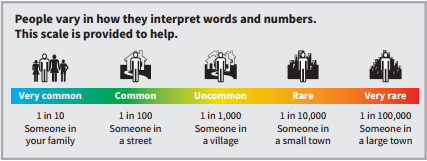
Very common side-effects
Retour au sommaireHypotension
It is normal for the blood pressure to fall a little when you have an epidural. Your anaesthetist will use fluids and drugs to correct it.
Inability to pass urine
The nerves to the bladder are affected by the epidural. A catheter (tube) is inserted into the bladder to drain away the urine. This is often needed after major surgery with or without an epidural.
Démangeaison
This is a side-effect of the pain relief drugs that may be used in your epidural. Anti-histamine drugs help, or the drug in the epidural can be changed.
Se sentir malade
This is less common with an epidural than with other pain relief methods. It is treated with anti-sickness medicines.
Inadequate pain relief
The epidural may not relieve all your pain. Your anaesthetist or the pain relief nurses looking after you will decide if it can be improved or if you need to switch to another pain relief method.
Effets secondaires courants
Retour au sommaireMaux de tête
Headaches happen quite often after surgery. It is possible to get a severe headache after having an epidural. This is because the needle used to place the epidural inadvertently punctured the bag of fluid that bathes the spinal cord. A small amount of fluid leaks out, causing a headache.
Epidural headache is a severe headache that is worse if you sit up and relieved by lying flat. The staff looking after you should alert the anaesthetic team immediately. You may need specific treatment for the headache. For more information, please see Headache after an Epidural or Spinal Anaesthetic.
Uncommon complications
Retour au sommaireSlow breathing
Some drugs used in the epidural can cause slow breathing or drowsiness, which requires treatment.
Nerve damage: temporary
Uncommonly, the needle or epidural catheter can damage nerves. This can give loss of feeling or movement in a large or small area of the lower body. In most people this gets better after a few days, weeks or months.
Rare or very rare complications
Retour au sommaireNerve damage: permanent
Permanent nerve damage by the needle or the catheter is rare. A study has shown it happens in between 1 in 6,000 and 1 in 12,000 epidurals used for surgery. Also rarely, this can happen for other reasons during surgery, related to the surgery itself or for other medical reasons unrelated to the epidural.
You can find more information about this from the leaflet Nerve Damage Associated with a Spinal or Epidural Injection.
Catheter infection
An infection can occasionally develop around the epidural catheter. If this happens, it will be removed. It is rare for the infection to spread deeper than the skin. Antibiotics may be necessary or, rarely, emergency back surgery. Disabling nerve damage due to an epidural abscess is very rare.
Autres complications
Convulsions (fits), severe breathing difficulty, permanent paraplegia (loss of use of one or more limbs) or death are very rare.
The risk of complications should be balanced against the benefits and compared with alternative methods of pain relief. Your anaesthetist can give you more information and help you understand the relative risks.
Questions you may like to ask your anaesthetist
Retour au sommaireWhy are you recommending an epidural for me?
What are the advantages and disadvantages of an epidural for me?
What about the alternatives?
Who will do my epidural?
Have you often used this type of pain relief?
Do I have any special risks?
How will I feel afterwards?
How will I feel afterwards if I don’t have an epidural?
Content used with permission from the Royal College of Anaesthetists website: Epidural anaesthesia during and after surgery (6th Edition, June 2023) - see Further Reading below Copyright for this leaflet is with the Royal College of Anaesthetists.
Sélections des patients pour Anesthésie

Chirurgie et procédures
Anesthésie locale pour votre opération des yeux
Cette brochure est fournie par le Collège Royal des Anesthésistes, l'organisme professionnel responsable de la spécialité au Royaume-Uni, garantissant la qualité des soins aux patients par le maintien des normes en anesthésie, soins intensifs et médecine de la douleur.
par Dr Philippa Vincent, MRCGP

Chirurgie et procédures
Maladie après anesthésie
Cette brochure est adaptée de la brochure : Maladie après anesthésie, fournie par le Collège royal des anesthésistes, l'organisme professionnel responsable de la spécialité à travers le Royaume-Uni, garantissant la qualité des soins aux patients par le maintien des normes en anesthésie, soins intensifs et médecine de la douleur. La nausée est une sensation désagréable, généralement ressentie dans la région de l'estomac, qui peut également être décrite comme 'avoir la nausée' ou 'se sentir malade'. Elle est souvent ressentie avec l'envie de vomir. Vomir signifie être malade. C'est l'acte de vider l'estomac de manière forcée, ou 'vomir'. PONV - ces lettres sont utilisées pour signifier nausées et vomissements post-opératoires. 'Post-opératoire' signifie que cela se produit après l'opération. Les médicaments antiémétiques sont des médicaments qui aident à prévenir ou à traiter les nausées et les vomissements. L'anesthésie générale est un état d'inconscience contrôlée pendant lequel vous ne ressentez rien et peut être décrit comme 'anesthésié'. L'anesthésie régionale implique une injection d'anesthésique local qui engourdit une partie de votre corps. Vous restez conscient, mais sans douleur dans cette partie de votre corps.
par Dr Colin Tidy, MRCGP
Questions fréquemment posées
What is the epidural space and why is it important for pain relief?
The epidural space is an area in your lower back, close to the spine, through which your spinal nerves pass. When a fine plastic tube (epidural catheter) is placed into this space, local anaesthetic and other pain relief drugs can be delivered directly to these nerves, blocking their pain messages.
How long will the pain relief from an epidural last?
The pain relief from an epidural will last as long as the epidural pump is running, delivering drugs continuously through the catheter. Once the pump is stopped, full feeling and movement should return within a few hours.
What happens if there's a problem with my epidural and it doesn't relieve my pain adequately?
If your epidural isn't relieving your pain effectively, your anaesthetist or the pain relief nurses will assess it. They will decide if adjustments can be made to improve its effectiveness or if you need to switch to an alternative method of pain relief.
What is an epidural headache and how is it treated?
An epidural headache is a severe headache that can occur if the needle used for the epidural accidentally punctures the sac of fluid around your spinal cord, causing a small leak. This type of headache is typically worse when sitting up and relieved by lying flat. If you experience this, the anaesthetic team should be alerted immediately, as you may require specific treatment for it.
If I choose not to have an epidural, what are the alternative pain relief options?
If you decide against an epidural, other pain relief methods typically involve strong medicines like morphine or similar drugs. These can be administered by mouth, injection, or through a patient-controlled analgesia (PCA) pump, which you can control yourself. Additionally, local anaesthetic can sometimes be given through other methods, such as a nerve block. Your anaesthetist can discuss which alternatives are best for you.
Lectures complémentaires et références
- Ashouri M, Karvandian K, Ataie-Ashtiani Z, et al; Cathéter épidural continu pour la gestion de l'anesthésie et le soulagement de la douleur postopératoire dans la chirurgie colorectale, compliqué par un hématome épidural et une paraplégie bilatérale : Un rapport de cas. Int J Surg Case Rep. 2021 Jun;83:106039. doi: 10.1016/j.ijscr.2021.106039. Epub 2021 May 26.
Continuez à lire ci-dessous
À propos de l'auteurVoir la biographie complète

Dr Hayley Willacy, FRCGP
Médecin généraliste, Auteur médical
MBChB (1992), DRCOG, DFFP, MRCOG (Part 1) MRCGP (2007), DFSRH (2013), MSc - medical education (2020)
Le Dr Hayley Willacy était médecin généraliste au NHS travaillant dans le nord-ouest de l'Angleterre, qui a pris sa retraite de la pratique clinique en 2022 après 30 ans.
À propos du critiqueVoir la biographie complète

Dr Colin Tidy, MRCGP
Médecin généraliste, Auteur médical
MBBS, MRCGP, MRCP (Paediatrics), DCH
Le Dr Colin Tidy est un médecin du NHS, basé dans l'Oxfordshire.
Historique de l'article
Les informations sur cette page sont rédigées et examinées par des cliniciens qualifiés.
Prochaine révision prévue : 4 oct. 2028
20 nov. 2023 | Dernière version

Demandez, partagez, connectez-vous.
Parcourez les discussions, posez des questions et partagez vos expériences sur des centaines de sujets de santé.

Vous ne vous sentez pas bien ?
Évaluez vos symptômes en ligne gratuitement
Inscrivez-vous à la newsletter Patient
Votre dose hebdomadaire de conseils de santé clairs et fiables - rédigés pour vous aider à vous sentir informé, confiant et maître de la situation.
En vous abonnant, vous acceptez notre Politique de confidentialité. Vous pouvez vous désabonner à tout moment. Nous ne vendons jamais vos données.