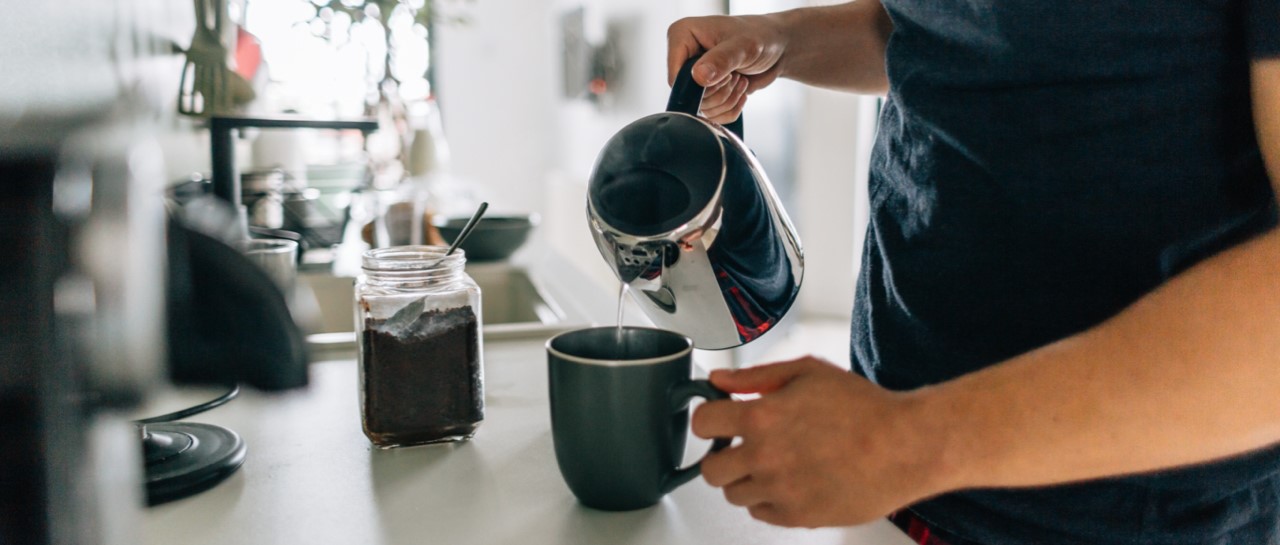
COVID-19 : suivre une routine aidera-t-il pendant le confinement dû au coronavirus ?
Revu par Dr Sarah JarvisRédigé par Natalie HealeyPublié à l'origine 30 Apr 2020
Respecte les directives éditoriales
- TéléchargerTélécharger
- Partager
- Language
- Discussion
- Ask Patient
- Version audio
- Ajouter aux sources préférées sur Google
Our lives have changed dramatically as much of the world has gone into lockdown to tackle the coronavirus pandemic. Most of us are still adjusting. We explore whether creating a routine during times of upheaval can help you feel less overwhelmed.
Utiliser le patient outil de vérification du coronavirus si vous présentez des symptômes de fièvre ou une nouvelle toux. Jusqu'à ce que vous ayez utilisé l'outil et reçu des conseils sur les mesures à prendre, veuillez rester chez vous et éviter tout contact avec d'autres personnes.
It's not a stretch to say that the COVID-19 crisis has turned our lives upside down. Lockdown is a big adjustment for everybody, whether you're isoler alone, looking after small children or living with older relatives. If you're not completely certain what day of the week it is today, you're certainly not alone.
Our usual routines have disappeared and the distinction between work and play has never been more muddled. It's no surprise that many of us are feeling lost, anxieux and frustrated. While the lack of structure might have been a novelty at first, it may now be adding to the sense of unease. Perhaps you've even started to miss your dreaded commute?
The psychological benefits of a routine
Losing the usual boundaries from our daily lives can make us feel quite strange, explains psychotherapist Mark Bailey. "We don't have the punctuation marks and 'separators' that we usually have in the day - not just travelling, but things like walking to the bus, seeing different environments, hearing a range of sounds. All those provide unconscious signposts for us that break up a day, keep us functioning on time and create routine."
Psychologist Dr Elena Touroni, co-founder of My Online Therapy, points out that the reason so many of us are feeling lost at the moment is that humans tend to thrive off structure and routine. "A daily routine helps us put healthy habits in place so we get the most out of our day. And when we feel like we've achieved something - no matter how small - we're going to generally feel much happier in ourselves."
Without routine, you may be tempted towards more unhealthy behaviours such as overworking, drinking too much d'alcool ou binge-watching television simply because you feel there's nothing else to do.
When it feels like too much pressure
Just thinking about trying to establish a sense of normality during this challenging time can be intimidating. However, trying out a new routine doesn't mean you have to plan so much it overwhelms you. Keep things simple and take it one day at a time. This is not the time to pile pressure on yourself or feel bad if your routine doesn't go to plan. We're not designed to operate at full productivity during a crisis.
"Too much routine will add niveaux de stress especially if the demand is not feasible," points out Bailey. "We've all seen social media posts from people saying now is an ideal time to learn a new language or take up a new hobby. Whilst this may be a nice idea, it could place too much stress on us, especially if we are in small accommodation."
Instead of being strict with yourself, he encourages people to experiment for themselves to see what works for them and to notice what doesn't. A diary may help you do this. Pay attention to your mood when you have more or less of a routine.
Creating your new normal
When it comes to establishing a routine, there's no one-size-fits-all approach that works best for everybody. We all have different wants, needs and priorities. And it's important to work with those rather than against them. The following general tips may be worth a try though.
Make a three-step plan
Bailey suggests an acronym called ACE may help create a routine, especially for people who love to create charts and planners. It stands for achieving, connecting and enjoying. You could do this exercise daily or weekly. And it could be a fun thing to do with your whole family.
Achieving: make a column for the different things you need to achieve - work, chores, housework etc.
Connecting: then plan another column for things that provide you with a sense of connection. These could include video calling friends and family, playing online games or cooking with each other.
Enjoying: and then a third column which is about enjoyment. Think about the hobbies you still have access to, such as reading, playing an instrument or watching a comforting film.
Try to tick off one thing from each column every day.
Priorisez le sommeil
Getting a good night's sommeil is still important, perhaps more than ever. Being well rested will help you build emotional resilience during the more challenging times. And while it's tempting to have a long lie-in now you're no longer travelling to work every day, this isn't advisable.
"Ensure you get enough time for your sleep needs and resist the temptation to sleep longer than you usually would, just because you don't have to commute to your workplace," says Dr Natasha Bijlani, consultant psychiatrist at The Priory Hospital Roehampton. "Sleep is extremely beneficial to one's health but consistently too much or too little can be harmful."
Restez actif
Endorphins released during physical activity can really perk you up. So make time for some physical exercise, whether it be yoga, stretching or even venturing outside once a day to go for a walk or a short run. Even doing some housework can get you moving and make you feel better.
The main thing is adding movement wherever you can. Avoid sitting in one place for too long. Consider standing up for part of your work time or walking around while talking on the phone, suggests Bijlani.
Eat and drink well
We have to minimise trips outside which may mean eating healthily feels like more of a challenge than before. But there are still plenty of good meals you can make from storecupboard essentials and items you'd forgotten you had in the freezer.
"Food and drink can greatly affect your physical and mental health. Avoid drinking too much alcohol or eating unhealthy foods out of boredom. Try to keep to boundaries such as only drinking alcoholic beverages in limited quantities at the weekend," advises Bijlani.
Avoid rolling news
We've all been doing it over the last few weeks, but consider whether endless scrolling on news sites and social media is making you feel better. If it's adding to your anxiety, try to set a time to check in with the rest of the world every day - but limit your exposure to news aside from that.
Think about others
If you've found yourself with too much time on your hands, check local online groups for ways you can help your community and look out for neighbours who may need assistance.
"Offer suitable assistance to those such as elderly neighbours or those who are disadvantaged in other ways. Transferring your focus of attention and action to outside of your own perspective can be very healing and empowering as well as of help to others," suggests Bijlani.
Take a break
Even once you've settled on a routine, it's still vital you take breaks. Although you're not leaving the house, this is still a period of upheaval and you may find yourself more tired than normal.
"This could be as simple as stepping away from your desk to do a ten-minute mindfulness guided meditation to stay grounded. True productivity requires presence and focus and taking regular breaks throughout the day is going to help you keep your energy bank topped up," says Touroni.
Sélections des patients pour articles sur la pandémie
COVID-19
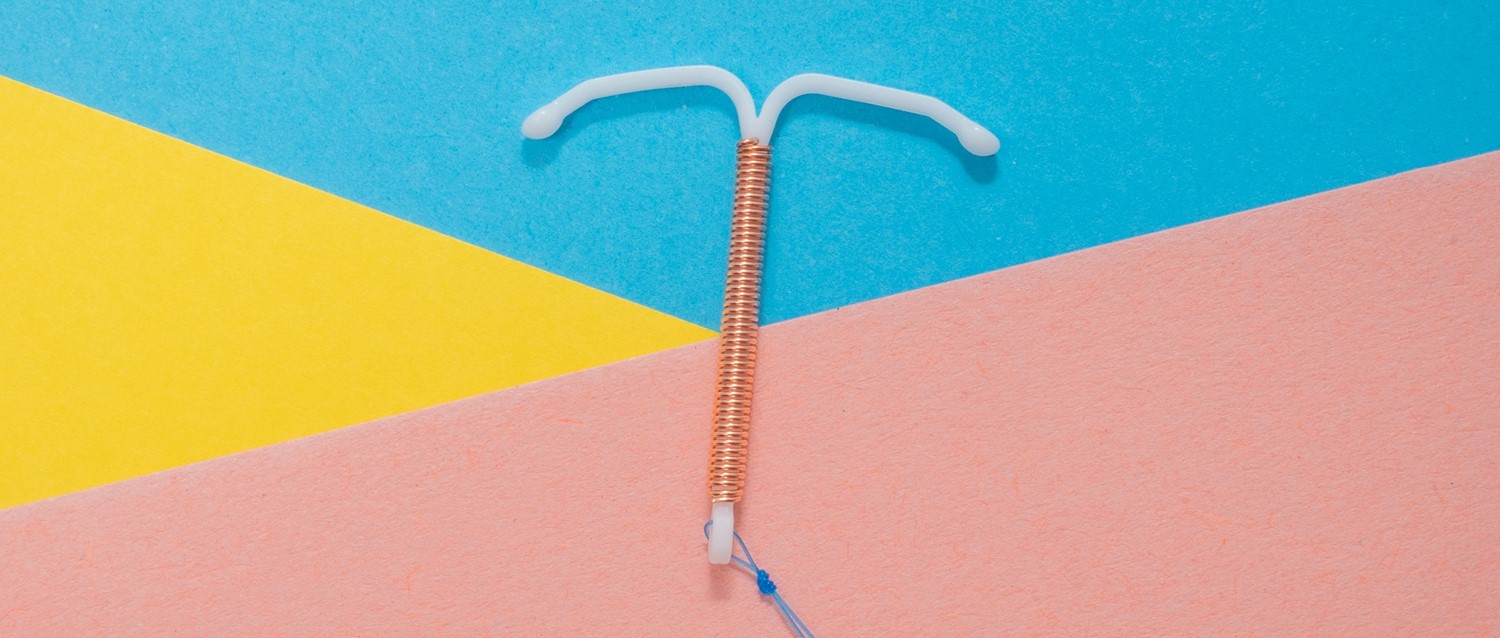
Comment la pandémie de COVID-19 a-t-elle affecté l'accès à la contraception ?
Nous vivons à une époque où la diversité des options contraceptives permet aux femmes d'avoir plus de contrôle sur leur santé sexuelle que jamais auparavant. Mais un nouveau rapport révèle que la pandémie de COVID-19 a empêché 1 femme sur 4 d'accéder à la contraception, en particulier à la contraception réversible à longue durée d'action. Comment cela s'est-il produit, et que peut-on faire pour réduire le retard dans la demande ?
par Amberley Davis
COVID-19
Coronavirus COVID-19 : quand aurons-nous un vaccin ?
Medical experts around the world are working around the clock to develop a vaccine for COVID-19 as it continues to spread around the globe. But how are vaccines made and when are we likely to have one for coronavirus?
par Andrea Downey
À propos de l'auteurVoir la biographie complète
Rédigé par

Natalie Healey
Journaliste indépendante
Licence (Hons) en Sciences Biomédicales
Elle est une journaliste de santé basée à Londres qui écrit sur la science et la médecine depuis plusieurs années. Elle est l'ancienne responsable éditoriale chez Patient.
À propos du critiqueVoir la biographie complète

Dr Sarah Jarvis
Consultant Clinique
MA (Cantab), BM, BCh (Oxon), DRCOG, FRCGP, MBE
Après avoir suivi une formation en médecine à Cambridge et Oxford, le Dr Sarah Jarvis MBE est devenue médecin généraliste.
Historique de l'article
Article également disponible en Anglais, Allemand, Espagnol, Français, Italien, Portugais, Hindi, Hébreu, Arabe, and Suédois.
30 Apr 2020 | Publié à l'origine
Écrit par :
Natalie HealeyRevu par
Dr Sarah Jarvis
Partagez vos pensées ou expériences avec les autres dans notre communautés de patients.
Accès simple à des traitements fiables et à des services de santé en ligne.
Common conditions
Get help with common conditions through the NHS, without a GP appointment.





Inscrivez-vous à la newsletter Patient
Votre dose hebdomadaire de conseils de santé clairs et fiables - rédigés pour vous aider à vous sentir informé, confiant et maître de la situation.
En vous abonnant, vous acceptez notre Politique de confidentialité. Vous pouvez vous désabonner à tout moment. Nous ne vendons jamais vos données.