
Comprendre le jargon du diabète
Revu par des pairs Dr Sarah JarvisDernière mise à jour par Dr Ben Janaway, MBChBDernière mise à jour 9 oct. 2017
Respecte les directives éditoriales
- TéléchargerTélécharger
- Partager
- Language
- Discussion
- Version audio
- Ajouter aux sources préférées sur Google
When speaking to your doctor about diabetes, some of the terminology can be confusing. Here's a quick guide to what all the medical mumbo jumbo means.
Inscrivez-vous à notre cours gratuit de 10 semaines sur le diabète !
Chaque semaine, nous explorerons un sujet différent pour vous aider à mieux comprendre et gérer votre diabète, y compris la vie quotidienne et les médicaments, le bien-être mental, les dernières technologies en matière de diabète et la nutrition.
En vous abonnant, vous acceptez notre Politique de confidentialité. Vous pouvez vous désabonner à tout moment. Nous ne vendons jamais vos données.
Basal bolus - part of an injectable insulin regime. Basal insulins last for a long time but work slowly. Once or twice daily doses of these are complemented by top-up bolus doses of rapid-acting insulin to reduce high blood sugar when you eat.
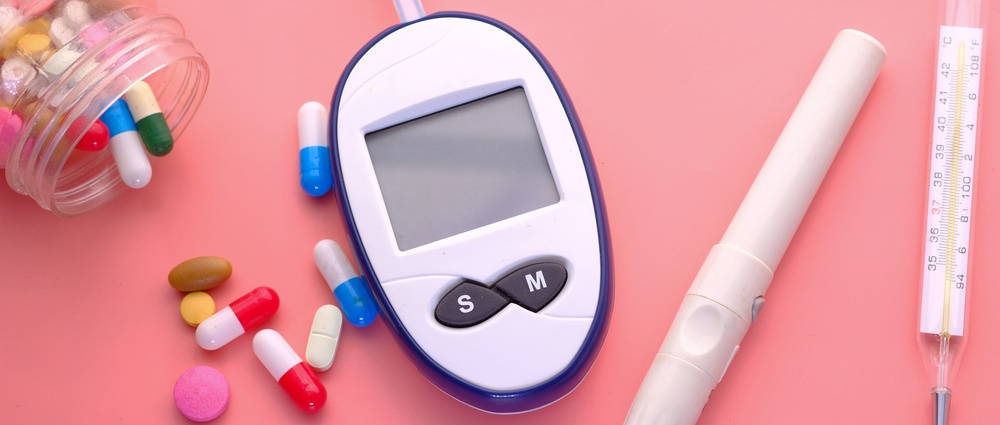
Blood glucose meter - machine using test strips to estimate blood sugar level
BM - an outdated term. This abbreviation was used for a paper strip designed to estimate blood sugar levels. It has been replaced, but you may still hear your 'blood sugar' measurement referred to as 'BMs'.
Niveau de sucre dans le sang - a value, in mmol/litre, of the sugar content (glucose) of your blood. Used in both diagnosis and monitoring of disease.
Blood sugar targets - the agreed target range for your blood sugar level as part of your treatment
Carbohydrate 'carb' counting - the process of monitoring food intake to help predict insulin need. Very useful in planning effective treatment, and gives you more power in managing your condition.
Cétoacidose diabétique (DKA) -a dangerous complication of type 1 (and rarely type 2) diabetes, where your body runs out of insulin and breaks down fatty acids instead. This causes toxic ketones to build up and the normal pH (acid-base balance) of your blood is affected.
Néphropathie diabétique - kidney damage caused by long-term high blood sugar levels in diabetes.
Neuropathie diabétique - a catch-all term for nerve damage caused by long-term high blood sugar levels in diabetes. Can lead to pain and to amputations in severe cases.
Rétinopathie diabétique - damage to the retina (back of the eye) caused by high blood glucose and vascular disease. Causes gradual loss of vision.
Diabetologist/Endocrinologist - different terms for a doctor specialising in diabetes.
Glucose - the basic sugar used by your body for energy. Measured in the blood using 'test strips' and a 'blood glucose meter.'
Hba1c - a blood test used to estimate average blood sugar levels and control over the last three months.
Hyperglycaemia - a state of high blood sugar (high blood glucose).
Hypoglycémie - a potentially dangerous state of low blood sugar (low blood glucose) - a possible side-effect of diabetes treatments, especially insulin and sulfonylureas.
Impaired glucose tolerance/pre-diabetes - a state of high blood sugar, not high enough for a diagnosis of type 2 diabetes but meaning you are at higher risk of type 2 diabetes and its complications.
Insuline - a hormone required to process sugar in the body.
Insulin pen - a delivery device for injectable insulin. Comes in variable strengths.
Insulin pump - a delivery device for constant or pulsed insulin injection. Attached through a tiny tube under your skin and worn 24 hours a day.
Ketosis - the build-up of a toxic substance called ketones caused by your body breaking down fatty acids for energy when it runs out of insulin. Rare in type 2 diabetes, it can affect people with type 1 diabetes if they do not take enough insulin, are generally unwell, etc.
Ketotic coma (diabetic coma) - an extremely dangerous state where blood toxicity caused by ketosis leads to unconsciousness, and if untreated, death.
Pancreas - a body organ that produces insulin and other hormones.
Neuropathie périphérique - nerve damage to the toes, feet, fingers and hands. Occurs progressively with diabetes if blood glucose levels are high over a long period
Rapid-acting insulin - a quick-acting dose of insulin taken with meals. Mimics natural Insulin spike. Taken as part of your treatment regime.
Diabète de type 1 - caused by the complete absence of insulin, a hormone secreted by the pancreas to metabolise glucose (sugars).
Diabète de type 2 - is caused by a gradual wearing out of cellular transporters for glucose by a long period of elevated blood sugar (hyperglycaemia).
Quick-acting carbohydrate - a form of carbohydrate designed to replace blood sugars quickly in the case of sudden hypoglycaemia. Can include sugary drinks, glucose tablets or sweets (candy). Injectable forms exist.
Sélections des patients pour Diabète sucré

Diabète
Comment manger au restaurant avec le diabète
Que ce soit pour un rapide rendez-vous dans un café, un déjeuner tranquille ou un dîner formel, manger au restaurant avec la famille et les amis est l'un des grands plaisirs de la vie. Mais lorsque vous avez le diabète, cela peut aussi être un défi de manger sainement, de contrôler votre glycémie et de réduire vos risques d'autres complications, telles que l'acidocétose diabétique (ACD). Nous explorons comment, avec un peu de planification et de réflexion, il n'est pas nécessaire de renoncer - même si vous prenez des médicaments.
par Lawrence Higgins
Diabète
Vos médicaments contre le diabète expliqués
Managing your diabetes involves several factors - including medicines. Here we look at why you may have been prescribed the medicines you are on, how to get the most from them, and how they affect your everyday life - and your everyday life affects them.
par Lawrence Higgins
À propos de l'auteur

Dr Ben Janaway, MBChB
MBChB
À propos du critiqueVoir la biographie complète

Dr Sarah Jarvis
Consultant Clinique
MA (Cantab), BM, BCh (Oxon), DRCOG, FRCGP, MBE
Après avoir suivi une formation en médecine à Cambridge et Oxford, le Dr Sarah Jarvis MBE est devenue médecin généraliste.
Historique de l'article
Les informations sur cette page sont examinées par des cliniciens qualifiés.
Article également disponible en Anglais, Allemand, Espagnol, Français, Italien, Portugais, Hindi, Hébreu, Arabe, and Suédois.
9 oct. 2017 | Dernière version

Demandez, partagez, connectez-vous.
Parcourez les discussions, posez des questions et partagez vos expériences sur des centaines de sujets de santé.

Vous ne vous sentez pas bien ?
Évaluez vos symptômes en ligne gratuitement
Inscrivez-vous à la newsletter Patient
Votre dose hebdomadaire de conseils de santé clairs et fiables - rédigés pour vous aider à vous sentir informé, confiant et maître de la situation.
En vous abonnant, vous acceptez notre Politique de confidentialité. Vous pouvez vous désabonner à tout moment. Nous ne vendons jamais vos données.
Plus sur le diabète
- Peut-on inverser le diabète de type 2 ?
- Changer vos habitudes alimentaires après un diagnostic de diabète de type 2
- Surveillance continue de la glycémie dans le diabète de type 1
- Technologie du diabète
- Diapression : démêler le lien entre le diabète et la dépression
- Conseils pour faire ses courses alimentaires pour les personnes diabétiques
- Comment la technologie change le diabète
- Comment manger au restaurant avec le diabète
- Comment grignoter quand on a le diabète
- Le diabète est-il considéré comme un handicap ?
- Adopter un régime à base de plantes réduit le risque de diabète de type 2
- Prendre le contrôle du prédiabète
- L'avenir du traitement du diabète
- Le lien entre le diabète et les troubles de santé mentale
- Vidéo : Quelle est la différence entre le diabète de type 1 et le diabète de type 2 ?
- Qu'est-ce que le syndrome métabolique ?
- Ce que vous devez savoir sur l'épuisement lié au diabète
- Quel est le lien entre le diabète et les troubles alimentaires ?
- Quel est le lien entre le SOPK et le diabète ?